Estimated reading time: 6 minutes.
- Moroccan hospitality is symbolized by the ritual tea offering.
- Friday couscous is a sacred communal meal in Moroccan culture.
- Ramadan features special foods such as harira and chebakia.
- Culinary traditions vary across Morocco’s diverse regions.
- Engaging in local dining customs enriches travel experiences.
Table of Contents
- Moroccan Hospitality and the Role of Food
- The Friday Couscous Ritual
- Ramadan Food Traditions: Nourishment and Spirituality
- Celebratory and Wedding Foods: Bastilla, Mechoui, and Mrouzia
- Social Rules Around Eating in Morocco
- The Geography of Moroccan Cuisine: Four Regional Variations
- Culinary Influences: Berber, Arabic, Andalusian, and Sub-Saharan Roots
- Things to Do in Tangier: Exploring Food and Culture
- Practical Tips for Travelers Wanting to Experience Moroccan Food Culture
Moroccan Hospitality and the Role of Food
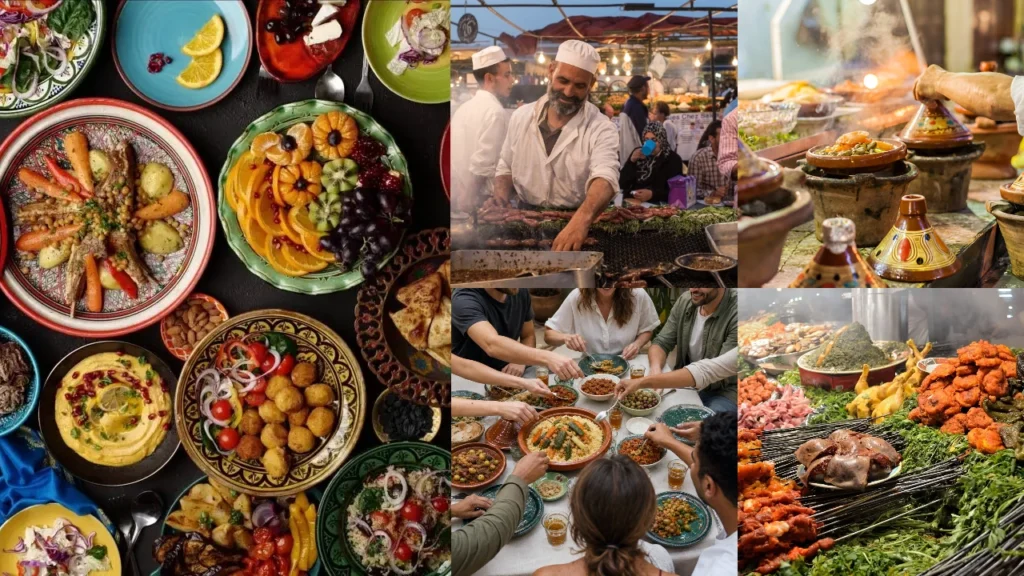
Hospitality in Moroccan society is legendary, rooted in an unwritten code of generosity and respect that guests and locals alike cherish. Central to Moroccan hospitality is the ritual of welcoming visitors with a steaming glass of mint tea — sweet, fragrant, and poured from a height to create a froth that signals respect and care. Refusing this tea is considered impolite, as is refusing bread, which is a sacred staple. Bread, often khobz (round, crusty Moroccan bread), is never to be discarded or wasted, symbolizing sustenance and blessing.
Meals are traditionally communal. Diners gather around a large shared platter, often sitting on the floor or low seating, eating with their hands (usually the right hand) in a gesture of unity and trust. This practice underscores the social importance of togetherness — sharing a meal strengthens bonds among family and friends.
The Friday Couscous Ritual
Friday holds special significance in Moroccan culture as a day of prayer, rest, and family gathering. The quintessential Friday meal is couscous — a fragrant semolina dish often steamed over a stew of vegetables, meat (lamb, chicken, or beef), and aromatic spices. Preparing and sharing couscous on Fridays is both a religious and social tradition, symbolizing renewal and community.
In the Mnar area of Tangier and northern Morocco in general, this Friday ritual is a cornerstone of Moroccan food culture traditions. The meal is leisurely and celebratory, often followed by shared tea and conversation, reinforcing family ties and community spirit.
Ramadan Food Traditions: Nourishment and Spirituality
During Ramadan, Moroccan food culture traditions adapt distinct rhythms. The daily fast from dawn to sunset is broken with harira, a hearty tomato and lentil soup rich in herbs and spices, often enjoyed alongside dates and chebakia — sesame-studded, honey-coated pastries shaped in intricate patterns. These foods nourish the body and mind after long hours of fasting and have deep spiritual connotations.
Meals are carefully timed: iftar (breaking the fast) in the evening and suhoor (pre-dawn meal) before fasting resumes. Both meals emphasize community and sharing, often involving family and neighbors. Streets and homes in Tangier and across northern Morocco come alive with the aromas and sounds of Ramadan evenings, where food serves as a binding cultural force.
Celebratory and Wedding Foods: Bastilla, Mechoui, and Mrouzia
Celebrations in Moroccan culture are defined by elaborate feasts showcasing signature dishes. Weddings are grand affairs where food expresses status, joy, and cultural pride.
- Bastilla: A savory-sweet pie made with layers of thin pastry (warqa), filled with pigeon or chicken, almonds, and spiced with cinnamon and sugar. This dish exemplifies the fusion of Arabic and Andalusian influences.
- Mechoui: A whole lamb slow-roasted in a wood-fired oven or pit, commonly served at weddings and large celebrations. The tenderness and aromatic spices highlight hospitality and generosity.
- Mrouzia: A saffron and honey-infused lamb stew combined with raisins and almonds, often prepared for Eid and special occasions, celebrating Moroccan culinary artistry.
Each dish carries cultural symbolism; sharing these meals during celebrations strengthens social cohesion and honors Moroccan heritage.
Social Rules Around Eating in Morocco
Food etiquette in Moroccan society is guided by respect and tradition. Key social rules include:
- Eating with the right hand only, as the left is traditionally reserved for hygiene.
- Not starting a meal until the eldest or most honored guest begins.
- Giving thanks before and after meals, often through expressions invoking blessings.
- Leaving a small amount of food on one’s plate as a signal of satisfaction rather than clearing the dish completely.
Understanding these rules enriches the traveler’s experience, highlighting the reverence Moroccans hold for food and the social rituals that surround it.
The Geography of Moroccan Cuisine: Four Regional Variations
Moroccan cuisine is not monolithic; it reflects the country’s diverse landscapes and cultural influences, shaped by four distinct culinary regions:
- Northern Morocco (including Tangier and Mnar): Known for its Mediterranean freshness, abundant seafood, and the use of preserved lemons, olives, and herbs. The proximity to Andalusia is evident in the use of spices like saffron and techniques such as slow cooking.
- Central Morocco: Characterized by hearty tagines, stews, and breads baked in communal ovens, reflecting the agricultural heartland’s produce and Bedouin influences.
- Saharan South: Features robust flavors using dates, dried meats, and couscous variations that accommodate the desert environment’s demands.
- Atlantic Coast and Marrakech region: Known for spicy, bold flavors, sweet and savory combinations, and the use of nuts, dried fruits, and fragrant spices in a style heavily influenced by Berber culture.
Culinary Influences: Berber, Arabic, Andalusian, and Sub-Saharan Roots
Moroccan cuisine represents a rich tapestry woven from multiple cultural threads:
- Berber traditions: The indigenous Amazigh people contribute staple techniques such as slow-cooked tagines, couscous, and the use of local herbs and grains.
- Arabic influences: Introduced aromatic spices like cumin, coriander, and cinnamon, along with sophisticated pastry-making traditions seen in dishes like bastilla.
- Andalusian heritage: Brought culinary refinement and emphasis on balanced sweet and savory flavors, as Andalusians migrated after the Reconquista.
- Sub-Saharan impact: Introduced unique ingredients such as peanuts and specific cooking methods, enriching Moroccan food culture traditions further.
Each influence has layered complexity on Moroccan cuisine, making it a rich cultural and sensory experience.
Things to Do in Tangier: Exploring Food and Culture
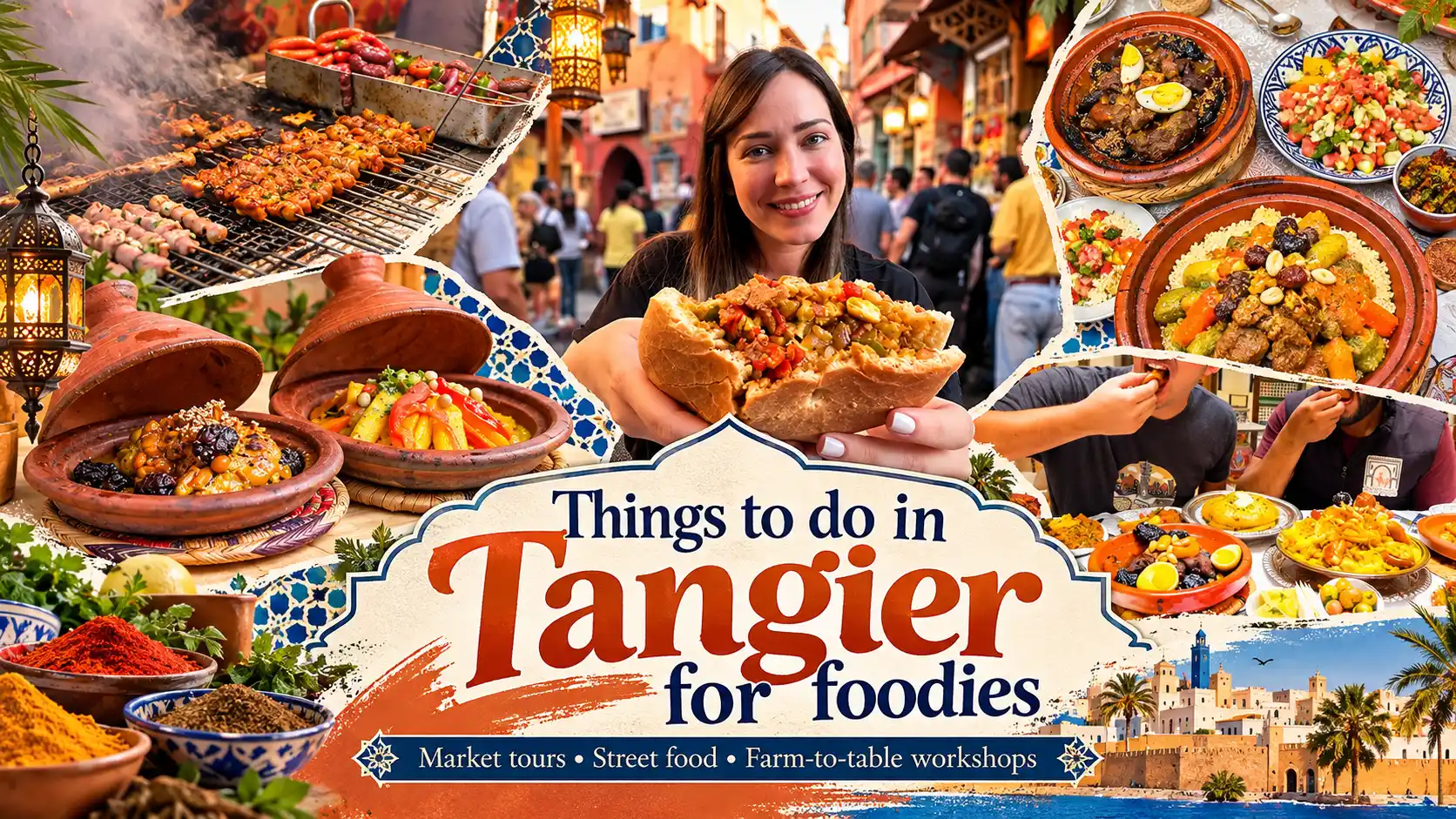
When visiting Tangier, immersing yourself in local food traditions deepens appreciation for northern Morocco’s culinary identity. Exploring the Tangier medina offers vibrant markets awash with spices and fresh produce. The Grand Socco plaza bustles with cafés where mint tea and traditional pastries accompany lively conversations. Nearby Cap Spartel offers fresh seafood, a reminder of the Atlantic’s bounty.
For food lovers eager to engage further, Tangier presents unique experiences that go beyond sightseeing.
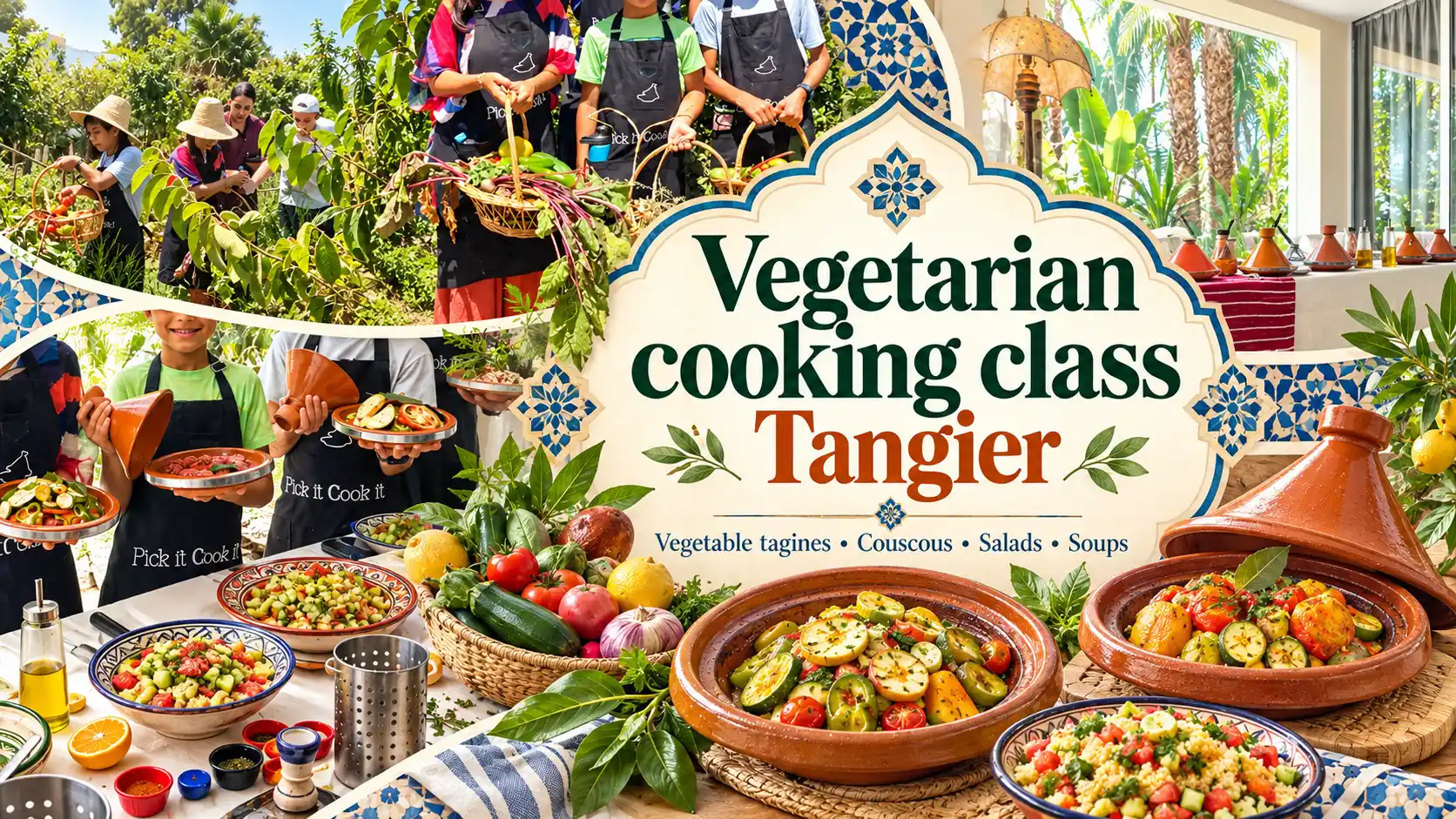
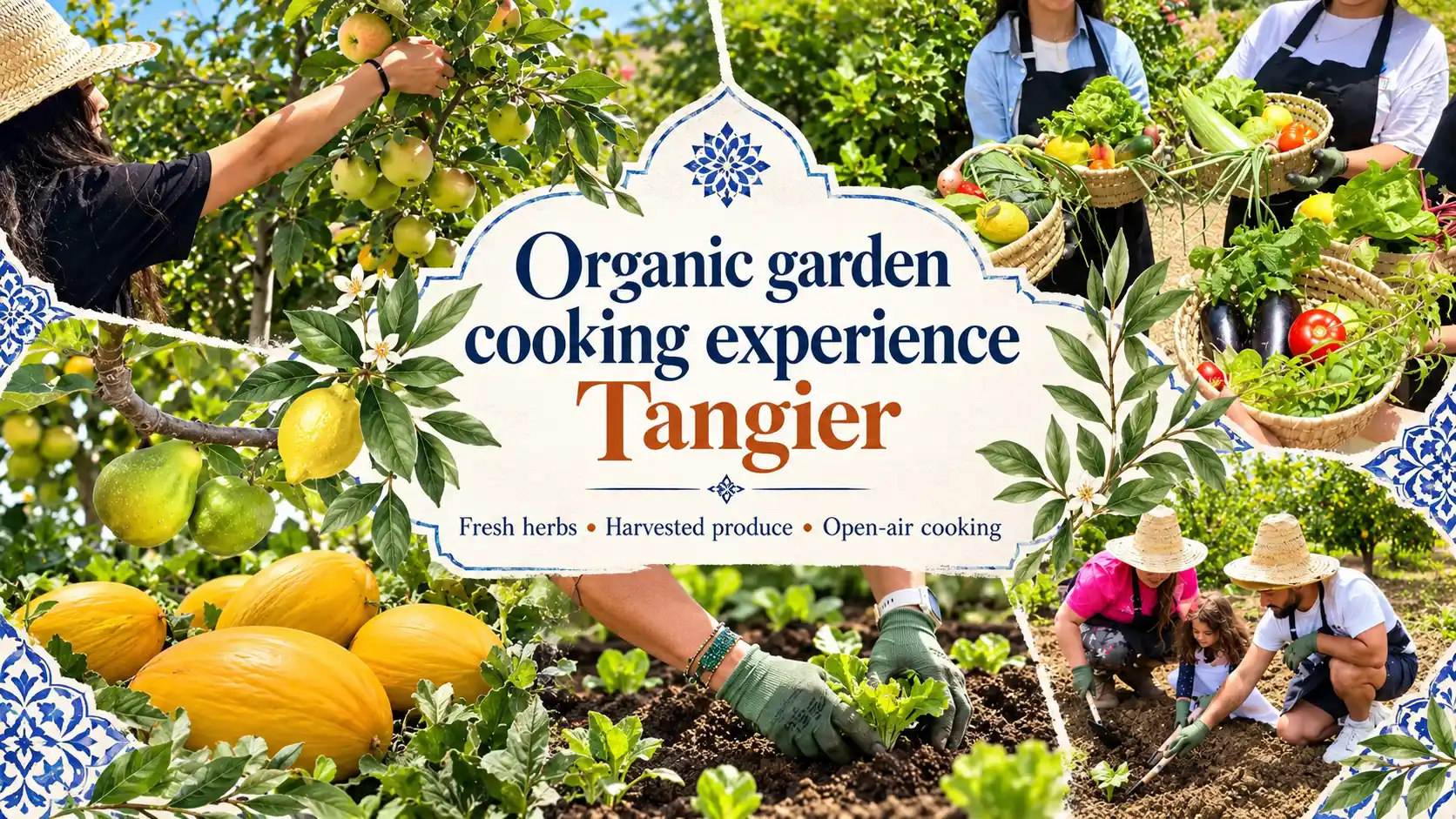
Tangier’s first immersive farm-to-table culinary experience, set in a 6000m² organic garden in the Mnar region, invites travelers to connect with Moroccan food culture traditions firsthand. Guests participate in harvesting fresh ingredients and cooking authentic dishes in a panoramic glass kitchen with a wood-fired oven, fostering a genuine, educational culinary journey in Tangier. This experience transcends tourist performances, emphasizing the cultural context of Moroccan cuisine.
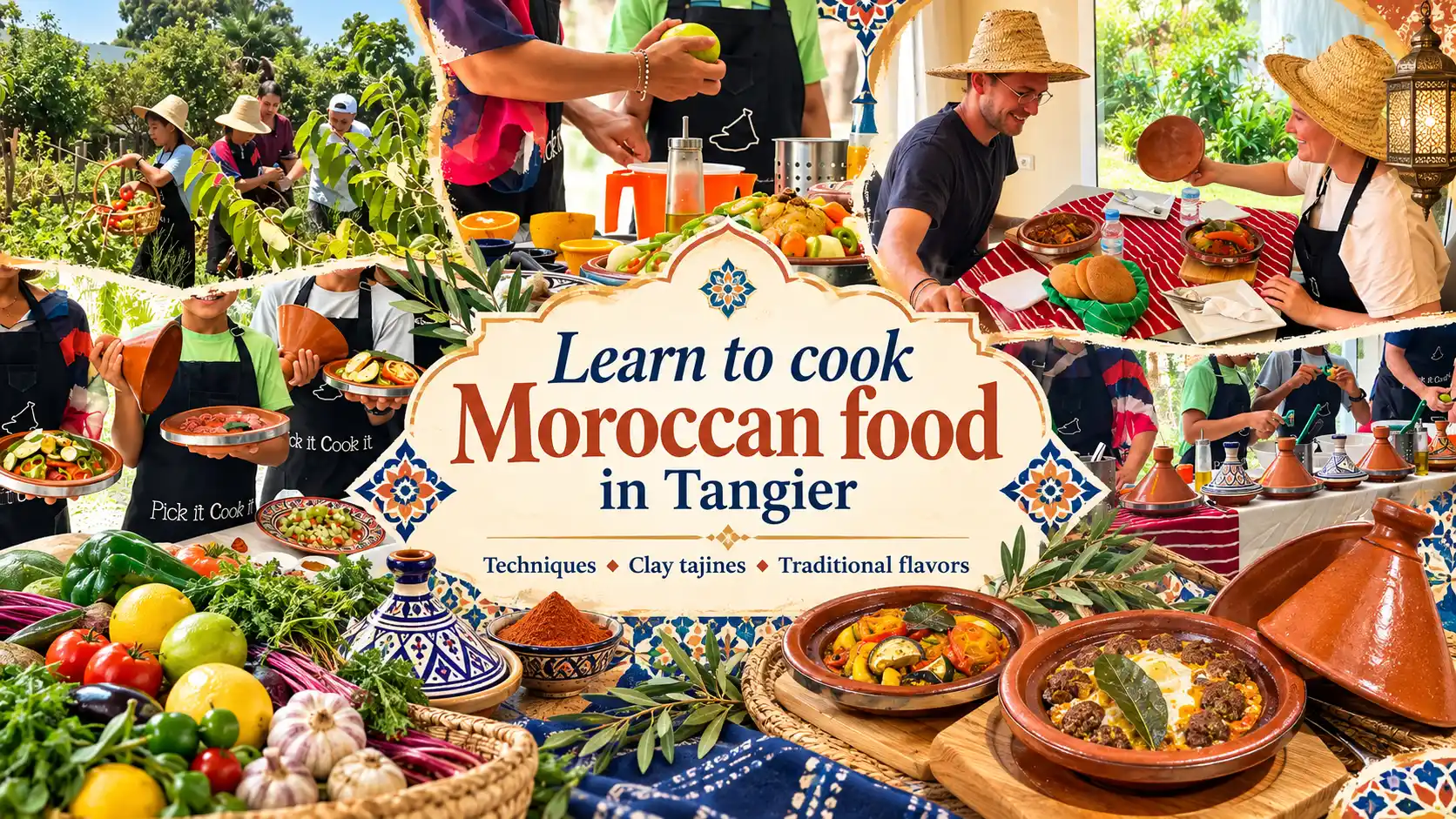
For hands-on travelers, Moroccan cooking classes in Tangier offer a window into the preparation and significance of classic dishes, blending local flavors with historical storytelling.
Practical Tips for Travelers Wanting to Experience Moroccan Food Culture
- Embrace communal dining: Don’t hesitate to eat from shared plates; it enhances connection.
- Respect local customs: Use your right hand for eating and accepting food or drink.
- Try regional specialties: Experiment with dishes unique to northern Morocco, such as fresh seafood tagines.
- Attend traditional meals: Participate in a Friday couscous or Ramadan iftar to witness authentic rituals.
- Learn about ingredients: Pick It Cook It’s garden tours provide insight into Moroccan herbs and spices.
- Be patient with meal timings: Moroccan meals are social and leisurely affairs, not rushed.
By embracing these customs, travelers gain not only a palate for Moroccan cuisine but also a deeper cultural understanding.
Frequently Asked Questions
Q1: Why is mint tea so important in Moroccan food culture traditions? Mint tea is the symbol of hospitality in Morocco, offered to guests upon arrival. It represents respect, friendship, and social bonding in Moroccan society.
Q2: What makes couscous the typical Friday dish in Morocco? Couscous is a communal dish that brings families together after Friday prayers. It’s a moment of rest, sharing, and religious observance, making it central to weekly Moroccan customs.
Q3: What are some key foods during Ramadan in Tangier? Harira soup, dates, and chebakia pastries are staples during Ramadan. They provide nutrition and comfort when breaking the day-long fast at sunset.
Q4: How do regional variations affect Moroccan cuisine? Geography influences available ingredients and cooking styles. Coastal areas use more seafood; inland regions rely on meats and grains. Each region’s cuisine tells the story of its landscape and peoples.
Q5: Can travelers participate in Moroccan cooking traditions in Tangier? Yes. Experiences like Pick It Cook It offer immersive farm-to-table cooking classes where travelers learn traditional methods using organic ingredients grown locally.
Exploring Moroccan food culture traditions through the lens of Tangier’s rich heritage reveals how deeply food is woven into social and spiritual life. Visitors can honor these customs by partaking in local meals, observing etiquette, and engaging with authentic culinary experiences that bring Morocco’s flavors and stories to life.
For an authentic farm-to-table experience that captures the essence of northern Morocco’s culinary heritage, consider booking a session at Pick It Cook It in the Mnar region of Tangier. This unique experience invites travelers to cook, eat, and learn in a vibrant organic garden setting, perfect for deepening your appreciation of Moroccan food culture traditions.
Booking for Pick It Cook It can be arranged via WhatsApp at +212 662 735 863 or through the following pages: