Estimated reading time: 8 minutes.
- Explore the rich cultural significance of Moroccan couscous.
- Learn the authentic preparation techniques that elevate the dish.
- Understand the differences between northern and southern Moroccan styles.
- Discover the importance of communal dining in Moroccan culture.
Table of Contents
- The Cultural Significance of Moroccan Couscous
- Understanding the Moroccan Couscous Recipe Traditional Technique
- The Seven-Vegetable Broth
- The Ritual of Eating Couscous Together
- Northern vs. Southern Moroccan Couscous Styles
- How to Achieve the Perfect Grain Texture
- Moroccan Couscous Recipe Traditional
- Why Learning Moroccan Couscous Properly Matters
- Exploring Culinary Experiences in Tangier
- Frequently Asked Questions about Moroccan Couscous Traditional Recipe
The Cultural Significance of Moroccan Couscous
In the city of Tangier and wider northern Morocco, couscous holds a place of reverence. It is the centerpiece of Friday family meals, an event marked by togetherness and sharing. This tradition is so significant that on December 16, 2020, the practice of preparing and sharing couscous was inscribed on the UNESCO Intangible Cultural Heritage list under decision 15.COM—a joint nomination by Morocco, Algeria, Tunisia, and Mauritania. This acknowledgment celebrates couscous not only as a culinary artifact but as a rich cultural ritual that spans generations and nations.
Family members gather on Fridays to prepare couscous from scratch, passing down culinary skills and stories. Each course of the meal—the semolina grains, the vegetable broth, the lamb or chicken—is a lesson in patience, respect, and the joy of communal dining.
Understanding the Moroccan Couscous Recipe Traditional Technique
Authentic Moroccan couscous begins with semolina grains that are hand-rolled to achieve the perfect light and fluffy texture. Unlike the instant varieties common in stores, these grains require meticulous care during preparation. The hand-rolling works the granules to the ideal size and consistency. This process cannot be rushed; it’s an art form passed down through generations.
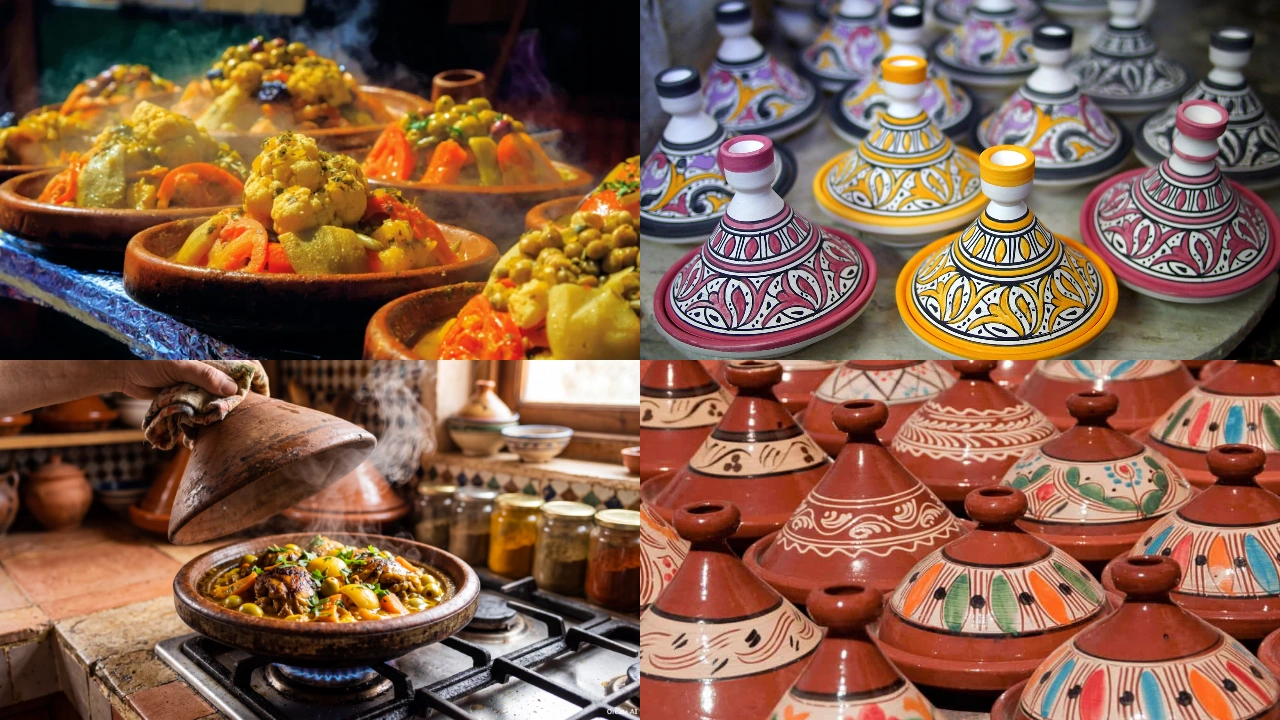
Once rolled, the couscous is steamed using the traditional couscoussier—a two-part steamer consisting of a lower pot for the broth and an upper perforated vessel where the couscous steams. This double-steaming method is essential for cooking the grains evenly and gently, allowing them to fully absorb the flavors of the vegetable broth below. The couscoussier’s unique design is integral to mastering the authentic Moroccan couscous recipe traditional style.
The Seven-Vegetable Broth
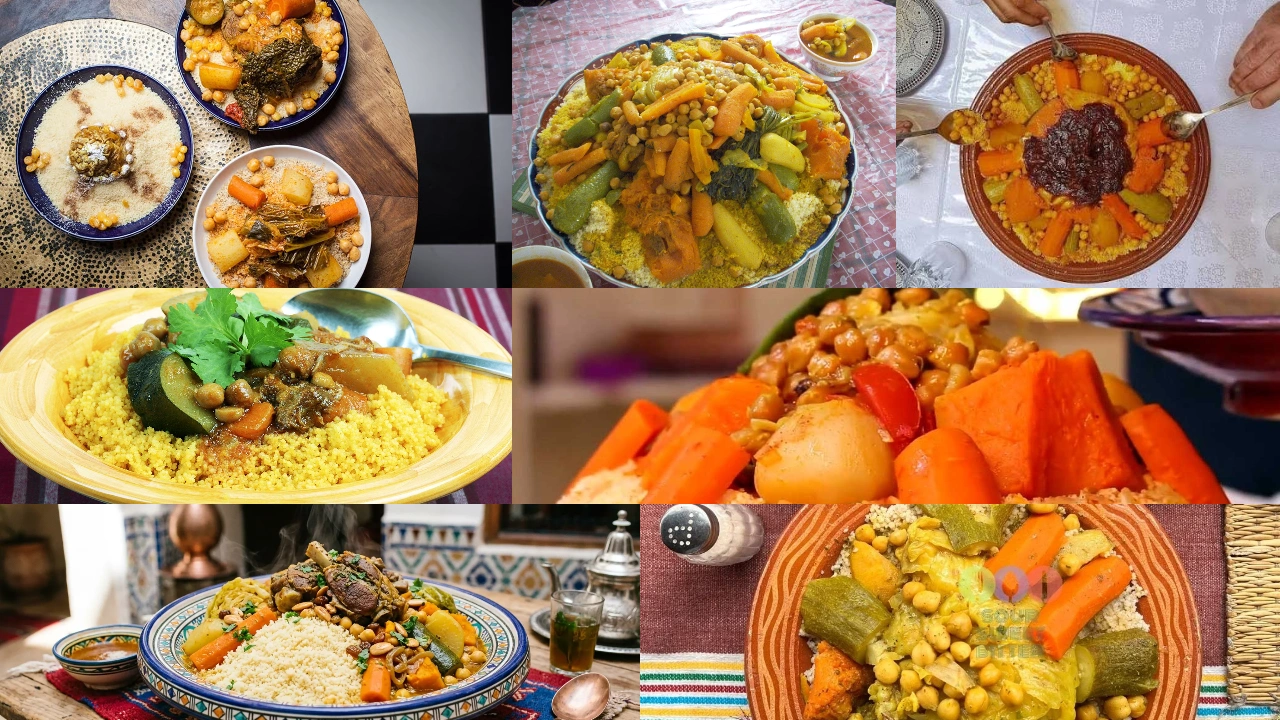
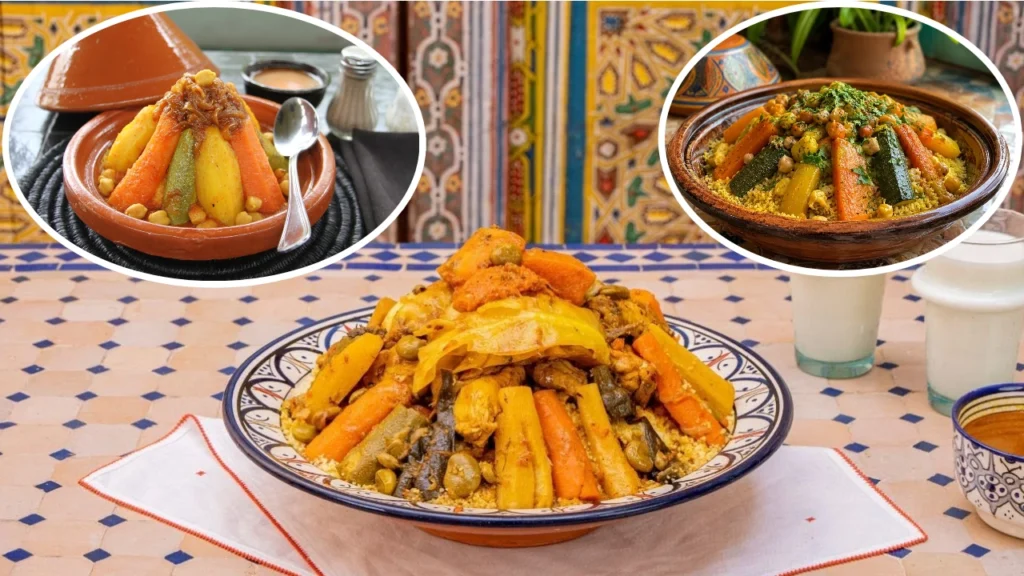
A distinctive characteristic of the couscous recipe traditional in northern Morocco, particularly around Tangier, is the use of seven seasonal vegetables to create a rich, hearty broth. Common vegetables include:
- Carrots
- Zucchini
- Pumpkin
- Turnips
- Cabbage
- Chickpeas
- Potatoes
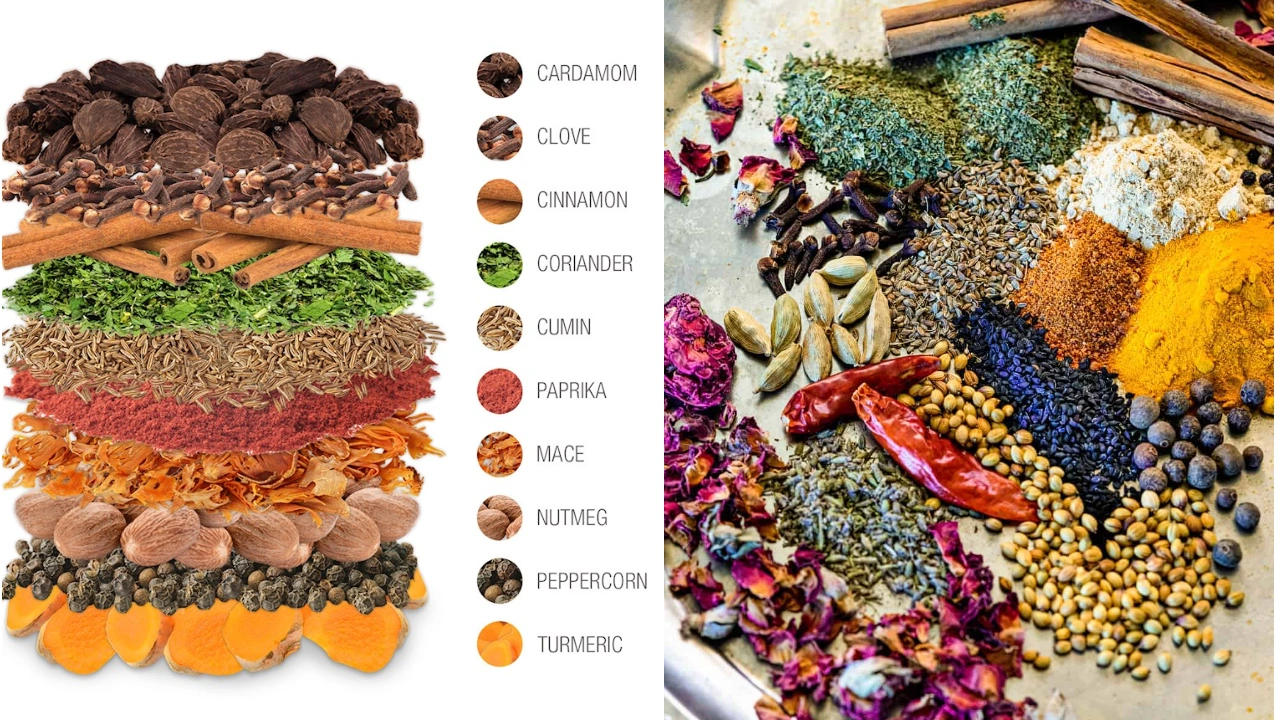
These vegetables simmer slowly with spices like cumin, ginger, saffron, and cinnamon, creating a broth that infuses the couscous with layers of aromatic taste. The vegetables are served together with tender meat—often lamb or chicken—making the dish a vibrant combination of textures and flavors.
The Ritual of Eating Couscous Together
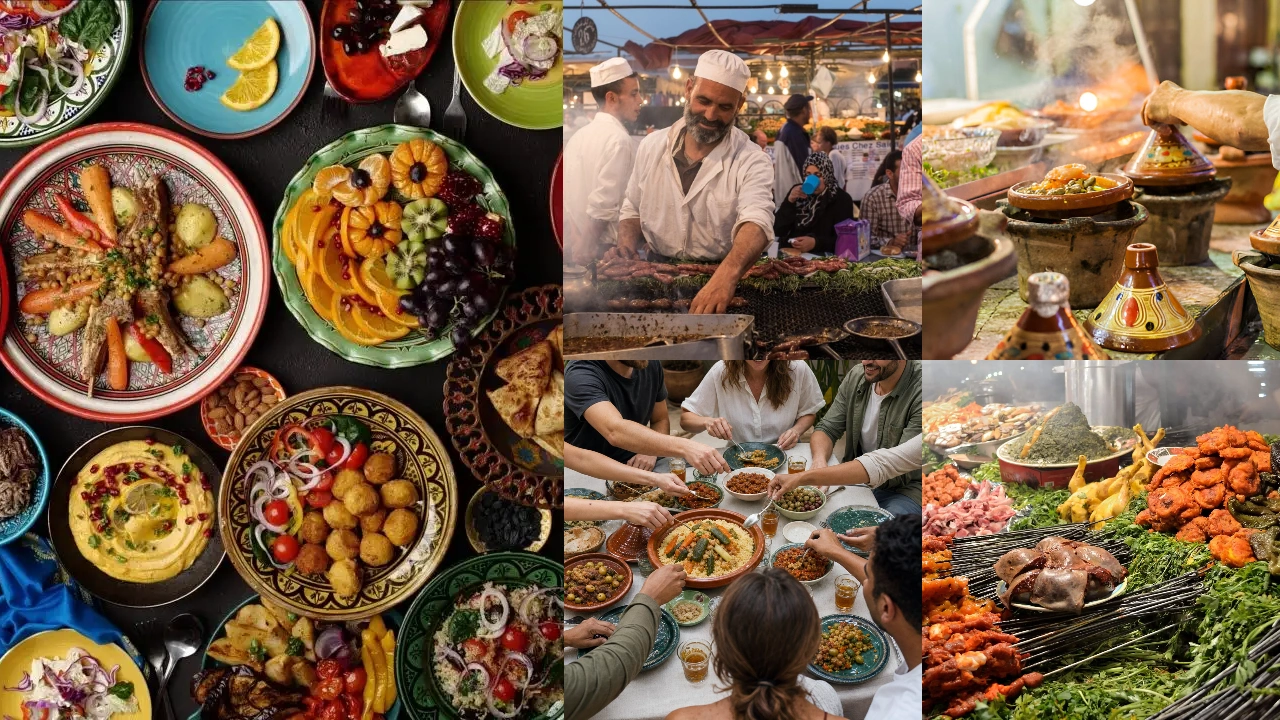
Eating Moroccan couscous traditionally involves communal dining from a single large dish, emphasizing social connection. Family or guests sit around the dish, using their right hand or spoons to share the meal. This collective practice reinforces bonds, respect, and hospitality—core values in Moroccan culture. The serving style also demonstrates trust and generosity, values nurtured through the act of sharing food.
Northern vs. Southern Moroccan Couscous Styles
While the northern style of couscous—as found in Tangier and the Mnar region—features the seven-vegetable broth and a moderate spice level, southern Moroccan couscous varies slightly:
- Southerners may incorporate dried fruits like raisins or apricots for sweetness.
- Harissa (a spicy chili paste) is often served on the side for heat.
- The semolina grains in the south may be steamed thrice for extra fluffiness.
- In contrast, the northern version balances savory flavors and fresher vegetables.
Both styles mirror their regional ingredients, climates, and culinary traditions, illustrating Morocco’s rich diversity.
How to Achieve the Perfect Grain Texture
Achieving the ideal couscous texture is essential and requires:
- Hand Rolling: To separate semolina granules and prevent clumping.
- Seasoned Water Spritzing: Adding water slowly while rolling keeps the grains light.
- Multiple Steaming Stages: Traditional recipes steam couscous at least twice or thrice, with fluffing between sessions.
- Resting: Allowing the couscous to cool and absorb steam evenly before serving.
Using these techniques ensures light, fluffy grains that don’t stick together or become mushy.
Moroccan Couscous Recipe Traditional
Ingredients
- 500g coarse semolina for couscous
- Seven seasonal vegetables (carrots, zucchini, pumpkin, turnips, cabbage, chickpeas, potatoes)
- 500g lamb or chicken pieces
- 2 tablespoons olive oil
- 1 teaspoon ground cumin
- 1 teaspoon ground ginger
- A pinch of saffron or turmeric
- 1 cinnamon stick
- Salt and pepper to taste
- 1.5 liters water or vegetable broth
Preparation
- Prepare the Broth: In the bottom chamber of the couscoussier, heat olive oil over medium flame. Add lamb or chicken and brown lightly. Add spices, water, and chickpeas. Bring to a simmer. Add vegetables in stages according to cooking time (harder vegetables first).
- Prepare Semolina: Place semolina in a large bowl. Gradually sprinkle lightly salted water while gently rubbing the grains between your hands to separate and coat evenly.
- First Steaming: Transfer the moistened semolina to the upper chamber of the couscoussier. Place over simmering broth and steam for approximately 20-30 minutes.
- Fluff and Repeat: Remove couscous, fluff it to separate grains, sprinkle more water if needed, and return for a second steaming. Repeat this steaming and fluffing until grains are tender and fluffy (usually 2-3 times).
- Serve: Arrange couscous on a large shared plate, heap vegetables and meat on top, and ladle broth over the dish to keep it moist.
Why Learning Moroccan Couscous Properly Matters
Attempting to recreate Moroccan couscous by simply following a recipe or using instant packets misses the essence of this traditional dish. The grain texture, the layering of flavors in the broth, and the methodical steaming process cannot be rushed or replicated by shortcuts. The ritual, sensory experience, and cultural knowledge are vital to execute genuine Moroccan couscous and to appreciate its role in Moroccan family life and celebrations.
Exploring Culinary Experiences in Tangier
For travelers eager to dive deeper into Tangier’s culinary heritage, the city’s vibrant markets like the Grand Socco and Tangier medina provide fresh, local ingredients. After exploring these lively marketplaces, visitors often seek authentic hands-on experiences to connect with Moroccan food culture.
Tangier’s first immersive farm-to-table culinary experience, set in a 6000m² organic garden in the Mnar region, offers guests an unparalleled way to learn the Moroccan couscous recipe traditional style alongside other local dishes. This experience combines harvesting fresh vegetables from the organic garden, cooking in a panoramic glass kitchen, and understanding the wood-fired oven’s role in Moroccan cuisine.
By participating in such a farm-to-table experience in Tangier, visitors gain not only practical skills but also a deeper appreciation of the cultural importance behind each dish, especially couscous, which ties the community together.
Frequently Asked Questions about Moroccan Couscous Traditional Recipe
Q1: What makes traditional Moroccan couscous different from store-bought instant couscous?
Traditional couscous is hand-rolled semolina steamed multiple times in a couscoussier, resulting in light, fluffy grains and rich flavor from the slow-cooked vegetable broth. Instant varieties are pre-steamed and often lack texture and authentic taste.
Q2: Can couscous be made without a couscoussier?
While a couscoussier is the traditional tool, improvisations can be made using steamers or colanders over pots. However, traditional taste and texture are best achieved with the authentic double-steaming vessel.
Q3: Why is Friday important for couscous preparation in Morocco?
Friday is traditionally a family day for communal meals in Morocco. Preparing couscous together is a ritual that strengthens family bonds and celebrates Moroccan hospitality.
Q4: What is the significance of using seven vegetables in northern Moroccan couscous?
The seven vegetables represent seasonal produce typical of northern Morocco. Their combination creates a balanced and flavorful broth that defines the regional style of couscous.
Q5: How long does it usually take to prepare traditional Moroccan couscous?
From the initial hand-rolling of semolina to the final steaming and serving, preparing couscous traditionally can take several hours, reflecting the dish’s slow-cooked, artisanal nature.
For those visiting Tangier and eager to master this cultural cornerstone of Moroccan gastronomy, booking a class with Pick It Cook It offers a unique opportunity. Their Moroccan cooking classes in Tangier invite guests to learn the Moroccan couscous recipe traditional style, from hand-rolling the semolina to steaming in the couscoussier, all while harvesting fresh vegetables from their organic garden in Mnar. This hands-on culinary journey reveals why Moroccan couscous is much more than a recipe—it is a living tradition in northern Morocco.
Booking is available via WhatsApp +212 662 735 863 or through Pick It Cook It’s dedicated class pages:
- Cook It Moroccan cooking class Tangier
- Pick It Cook It Moroccan cooking class Tangier
- Plant It Taste It Moroccan cooking class Tangier
Embracing the full experience will not only elevate your cooking skills but also deepen your connection to the rich traditions of Tangier, Morocco.