Reading time: 7 minutes
Quick answer: A Moroccan couscous recipe is a traditional dish from northern Morocco featuring hand-rolled semolina grains steamed to light perfection, typically served with slow-cooked lamb and seven types of vegetables. This iconic meal offers a rich blend of spices and slow-cooked flavors that embody the region’s culinary heritage.
Key Takeaways
- Moroccan couscous is traditionally served with seven vegetables and slow-cooked lamb.
- Hand-rolled semolina couscous is essential for an authentic texture and flavor.
- Smen, an aged butter, enhances the dish’s richness and aroma.
Table of Contents
- Traditional Moroccan Couscous Recipe Combines Seven Vegetables with Slow-Cooked Lamb
- Semolina Hand-Rolled Couscous Is the Heart of an Authentic Moroccan Couscous Recipe
- Slow-Cooking with Smen Aged Butter Enhances Richness in Moroccan Couscous Recipe
- Discover Traditional Moroccan Couscous Recipe at Pick it Cook it’s Organic Estate in Mnar, Tangier
- How to Prepare Traditional Moroccan Couscous Recipe with Seven Vegetables and Lamb
Moroccan couscous recipe holds a special place in the heart of northern Morocco’s gastronomy, particularly in Tangier and the surrounding areas like Mnar. It represents more than just a meal; it’s a communal experience deeply rooted in tradition. This recipe centers on semolina hand-rolled couscous paired with tender lamb slowly cooked in a broth infused with spices such as cumin, saffron, and ras el hanout. The dish is accompanied by seven vegetables, each selected for complementary flavors and textures. Recognized by UNESCO in 2020, couscous transcends its culinary status to become a symbol of Moroccan identity and social gathering. This article details the traditional Friday couscous recipe, its ingredients, cooking methods, and why it remains a staple within Moroccan households and culinary experiences. Whether you are a food lover, culinary traveler, or cruising to Tangier, the article provides guidance and insights into making this dish authentically at home or enjoying it firsthand in Mnar, a locus of organic farm-to-table dining.
Traditional Moroccan Couscous Recipe Combines Seven Vegetables with Slow-Cooked Lamb
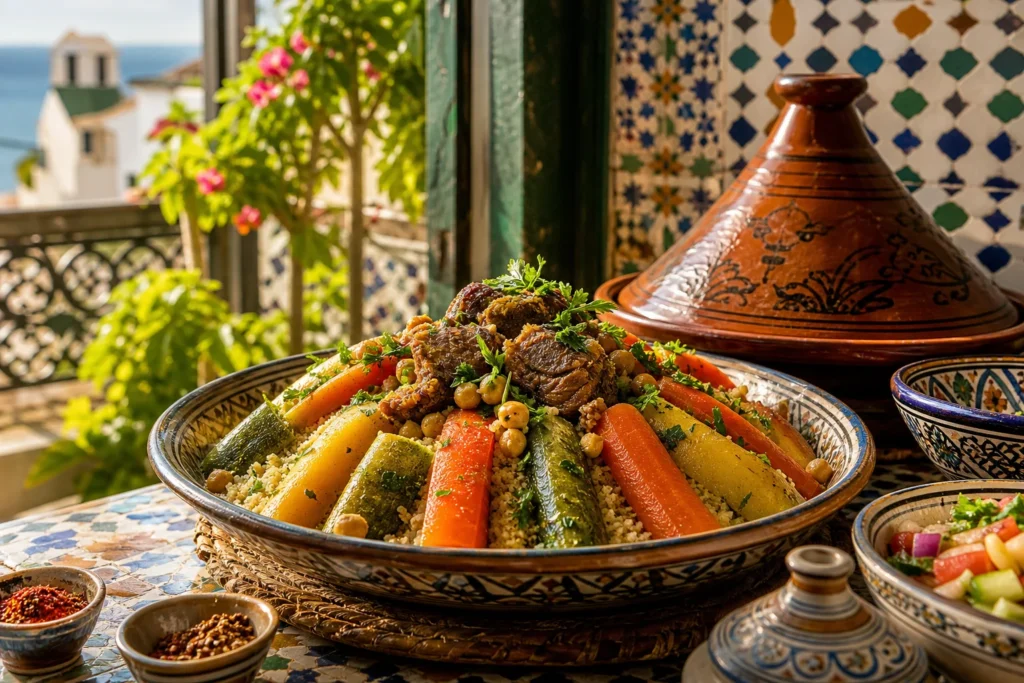
Traditional Moroccan couscous recipe perfectly balances the hearty slow-cooked lamb with seven varieties of vegetables, creating a symphony of flavors and textures. The vegetables typically include carrots, zucchini, pumpkin, turnips, cabbage, chickpeas, and onions. Each item is simmered slowly in a spiced broth, allowing the natural flavors to meld with the aromatic spices present in the dish. The lamb is often braised over several hours until tender and infused with the smoky notes from aged smen, a fermented butter that adds depth and a subtle tang.
The seven vegetables are selected to provide a colorful and nutritious base supporting the rich meat flavors. Carrots and zucchini offer slight sweetness, while turnips and cabbage contribute earthy notes. Chickpeas add protein and texture. The slow simmering process ensures the vegetables do not lose their shape or flavor; instead, they absorb the broth’s essence enriched with saffron and ras el hanout, a complex spice blend native to Morocco.
Slow-cooking the lamb allows collagen to break down, giving the meat a melt-in-the-mouth consistency that complements the fluffy hand-rolled semolina couscous grains. The dish is traditionally served communal-style, encouraging sharing and conversation. This layering of textures and aromatic spices underlines the Moroccan couscous recipe’s enduring appeal and underpins its UNESCO recognition.
Semolina Hand-Rolled Couscous Is the Heart of an Authentic Moroccan Couscous Recipe
Semolina hand-rolled couscous is the defining component of the Moroccan couscous recipe and distinguishes it from instant or machine-rolled varieties. Artisans roll fine semolina flour by hand into tiny granules, which are then steamed multiple times to achieve a light, fluffy texture that absorbs flavors without becoming mushy. This manual process preserves the couscous’s integrity and showcases craftsmanship rooted in centuries of tradition.
The hand-rolling technique requires skilled artisans who sprinkle semolina with water and gently rub it between their hands, gradually forming the couscous pearls. These pellets are then sieved to separate clumps and steamed in a special pot called a couscoussier. The steaming occurs in stages, each lasting 15 to 20 minutes, allowing the granules to swell evenly. After steaming, the couscous is fluffed by hand to avoid clumping and maintain airiness, essential for the overall eating experience.
Studies reveal that hand-rolled couscous has a superior texture and flavor profile compared to machine-made varieties. It also retains nutritional qualities, offering a good source of carbohydrates essential for energy. The hand-rolled nature supports local economies by preserving artisanal skills and culinary heritage stories. The use of traditional semolina in the Moroccan couscous recipe embodies the connection between food, culture, and identity celebrated across Moroccan homes and culinary workshops.
Slow-Cooking with Smen Aged Butter Enhances Richness in Moroccan Couscous Recipe
Slow-cooking with smen, an aged clarified butter, significantly enriches the Moroccan couscous recipe’s flavor and aroma. Smen is revered for its pungent, complex taste that deepens the meat’s savory qualities and the broth’s spiced layers. The butter ages for months or even years, developing fermented notes that distinguish it from regular butter or oil.
In traditional preparation, lamb is browned briefly and slowly braised in smen alongside onions, garlic, and spices such as cumin and preserved lemon. This process unlocks umami and earthy tones, turning the broth into a robust sauce that permeates both the lamb and vegetables. The prolonged cooking also helps the meat become tender and flavorful without drying out.
Smen is a critical ingredient in many Moroccan dishes beyond couscous, including tagines and bastilla, underscoring its integral role in northern Moroccan cuisine. Its use reflects the farm-to-table ethos seen in places like Mnar’s organic estates, where producers prioritize quality local ingredients. For culinary travelers and cruise passengers visiting Tangier, acknowledging how smen enriches a classic couscous recipe adds appreciation for the dish’s complexity and authenticity.
Discover Traditional Moroccan Couscous Recipe at Pick it Cook it’s Organic Estate in Mnar, Tangier
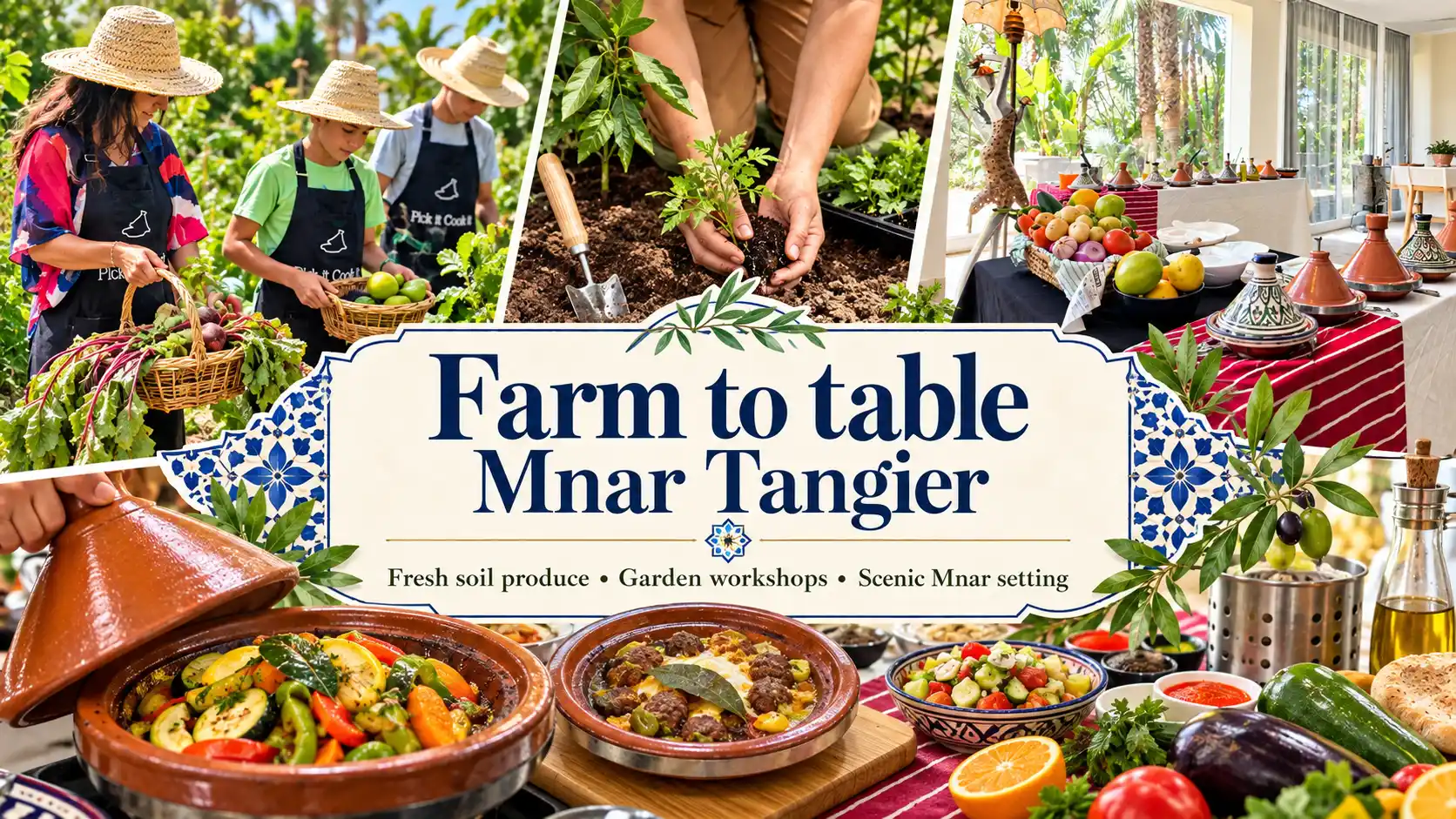
Pick it Cook it in Mnar, Tangier presents an immersive opportunity to experience the traditional Moroccan couscous recipe firsthand, combining a farm-to-table approach with expert culinary guidance. The location features a 6,000 m² organic garden estate, where guests participate in harvesting fresh produce before cooking in a panoramic glass kitchen with 360° Mediterranean views.
The Cook it cooking class runs approximately 2.5 to 3 hours and offers a comprehensive look at northern Moroccan dishes, with couscous as a highlight. Participants learn to prepare hand-rolled semolina couscous and slow-cooked lamb with seven vegetables, utilizing authentic spices and techniques including the use of smen. The experience integrates local farming, traditional cooking methods, and regional culinary culture, providing a deeper understanding of Moroccan gastronomy.
Every booking includes port pick-up from the Tangier cruise terminal, making it accessible for culinary travelers and cruise passengers. Groups vary from intimate pairs to 40 people, creating a comfortable setting for learning and sharing. This unique setting in Mnar exemplifies how tradition meets sustainable practices and gastronomy, making Pick it Cook it a notable way to engage with Moroccan couscous recipes. Reservations and details are available on the Pick it Cook it full experience webpage.
How to Prepare Traditional Moroccan Couscous Recipe with Seven Vegetables and Lamb
The preparation of a Moroccan couscous recipe involves a clear sequence of steps focusing on layering flavors and textures authentically. To replicate the traditional Friday couscous, follow the numbered instructions below:
- Prepare the couscous: Moisten hand-rolled semolina with water and let it rest. Steam twice in a couscoussier for about 20 minutes each, fluffing with a fork between steamings to ensure lightness.
- Brown the lamb: Cut lamb into chunks, sear in a pot with smen until browned on all sides. Add chopped onions and garlic, cooking until translucent.
- Season the broth: Add water or broth, saffron, ras el hanout, cumin, preserved lemon, and salt to the pot. Simmer the lamb for 1.5 to 2 hours until tender.
- Add vegetables: Chop seven vegetables (carrots, zucchini, pumpkin, turnips, cabbage, chickpeas, onions) into large pieces. Add to the pot in stages, starting with those that take longer to cook.
- Continue simmering: Cook the vegetables until soft but intact, about 30–40 minutes. Adjust seasoning as necessary.
- Final touch: Serve the couscous on a large communal platter, mound the vegetables over the couscous, and place the lamb on top. Drizzle some broth over the whole dish for moisture and flavor.
Frequently Asked Questions
What is the best way to make a Moroccan couscous recipe authentic at home?
Use hand-rolled semolina if possible and steam it multiple times instead of boiling. Slow-cook lamb with smen and a mix of spices like ras el hanout, saffron, and cumin. Incorporate a variety of vegetables, and serve the dish communally for an authentic experience.
How long does it take to slow-cook lamb for Moroccan couscous recipe?
Lamb usually takes 1.5 to 2 hours of slow simmering after browning to become tender enough for the dish. Cooking time may vary slightly depending on the cut and size of the lamb pieces.
Can I substitute smen aged butter in the Moroccan couscous recipe?
While smen provides a unique flavor, you can substitute with clarified butter or ghee if smen is unavailable. However, the distinctive fermented notes will be missing, altering the traditional taste.
Traditional Moroccan couscous recipe combines hand-rolled semolina, slow-cooked lamb infused with smen aged butter, and seven complementary vegetables to create a dish rich in flavor and cultural significance. Recognized by UNESCO in 2020, it continues to unite communities around the table through shared culinary heritage. For visitors to Tangier wanting to engage deeply with local cuisine, Pick it Cook it offers a unique farm-to-table cooking experience in Mnar. Guests learn authentic methods in a stunning setting with Mediterranean views.