Estimated reading time: 5 minutes.
- Learn the differences between msemen, meloui, and baghrir.
- Understand the importance of dough composition and layering.
- Master the folding technique for perfect msemen.
- Discover cooking tips for achieving crispy flatbread.
- Explore traditional serving methods in Tangier.
Table of Contents
- Understanding Msemen, Meloui, and Baghrir: Key Differences
- Ingredients and Dough Composition for Msemen
- Preparing and Resting the Dough
- The Olive Oil and Butter Layering Technique
- Folding Method: Creating Msemen’s Signature Layers
- Cooking Msemen on the Griddle: Tips for Perfection
- Common Mistakes and How to Avoid Them
- When to Eat Msemen: Traditions in Tangier and Beyond
- Regional Variations
- Immersive Experiences to Master Msemen
- Practical Msemen Recipe Framework
- Frequently Asked Questions
Understanding Msemen, Meloui, and Baghrir: Key Differences
Moroccan cuisine offers a delightful variety of flatbreads and pancakes, notably msemen, meloui, and baghrir. Though sometimes used interchangeably outside Morocco, each has unique characteristics:
- Msemen is a flaky, square-shaped flatbread with crisp layers, made from a semolina and flour dough. It’s pan-cooked on a griddle, often served with honey, butter, or argan oil.
- Meloui is very similar in ingredients and preparation to msemen but typically rolled into a round shape rather than folded squares, producing slightly different textures.
- Baghrir is a spongy, crepe-like pancake, full of tiny holes from yeast fermentation, perfect for soaking up honey and butter but lacking msemen’s layered crispiness.
Understanding these distinctions not only enriches your culinary knowledge but also helps you appreciate msemen’s unique place in Moroccan food culture, especially in Tangier and the Mnar region.
Ingredients and Dough Composition for Msemen
The dough’s texture is crucial to achieving msemen’s signature flakiness. The classic recipe balances:
- Semolina and all-purpose flour ratio: Approximately 50% semolina and 50% fine flour. Semolina adds structure and slight crunch, while flour gives elasticity.
- Water: Lukewarm, enough to form a soft, pliable dough (usually about 300-350ml depending on flour absorption).
- Salt: A pinch, to enhance flavor.
No yeast or leavening agent is needed; the flakiness comes entirely from dough preparation and technique.
Sample Dough Recipe Framework
- 250g fine flour
- 250g fine semolina
- 1 tsp salt
- 300-350ml lukewarm water
- Olive oil and melted butter for layering and cooking
Preparing and Resting the Dough
Mix the semolina, flour, and salt in a bowl. Gradually add lukewarm water, mixing and kneading until the dough forms a smooth, elastic ball. Knead thoroughly for 10 minutes to develop gluten, which aids in the layering effect.
Rest the dough covered for at least 30 minutes. This rest period allows the gluten to relax, making the dough easier to stretch and fold without tearing. Some cooks recommend resting up to 1 hour for even better results, but 30 minutes is minimum.
The Olive Oil and Butter Layering Technique
What creates msemen’s distinctive flaky layers is the generous application of fat between the dough layers. The traditional Moroccan method involves:
- Rolling out small balls of rested dough very thinly on a greased surface.
- Brushing or drizzling a mixture of olive oil and melted butter over the dough sheet. The fat seeps into the dough, preventing layers from sticking together and crisping during cooking.
- Folding the dough repeatedly, adding more oil or butter if needed between folds.
This layering is the foundation for msemen’s texture — a balance of moist interior with crisp, flaky edges.
Folding Method: Creating Msemen’s Signature Layers
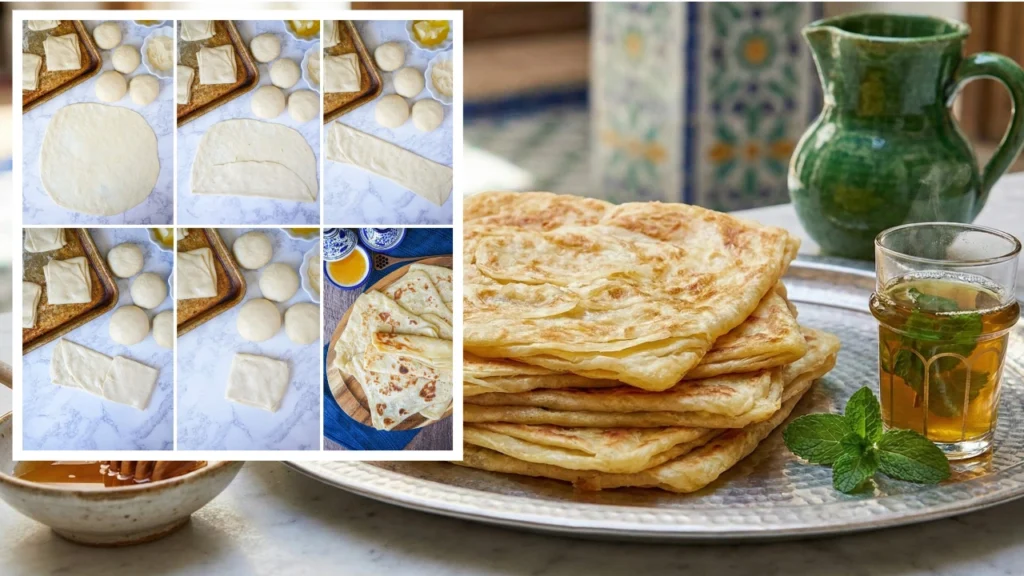
The technique of folding is key to msemen’s texture and shape. Here is a step-by-step overview:
- After rolling the dough sheet thinly, brush with olive oil and butter.
- Fold the dough from one side to form a strip about 5 cm wide.
- Fold the strip again in thirds or quarters to create a square parcel.
- Press gently along edges to seal but avoid flattening completely — you want air gaps to create layers during cooking.
- Let the folded dough rest briefly to set the shape before cooking.
Mastering this folding technique takes hands-on practice. Many travelers and food lovers find that experiential learning, such as Moroccan cooking classes, is the best way to perfect the method.
Cooking Msemen on the Griddle: Tips for Perfection
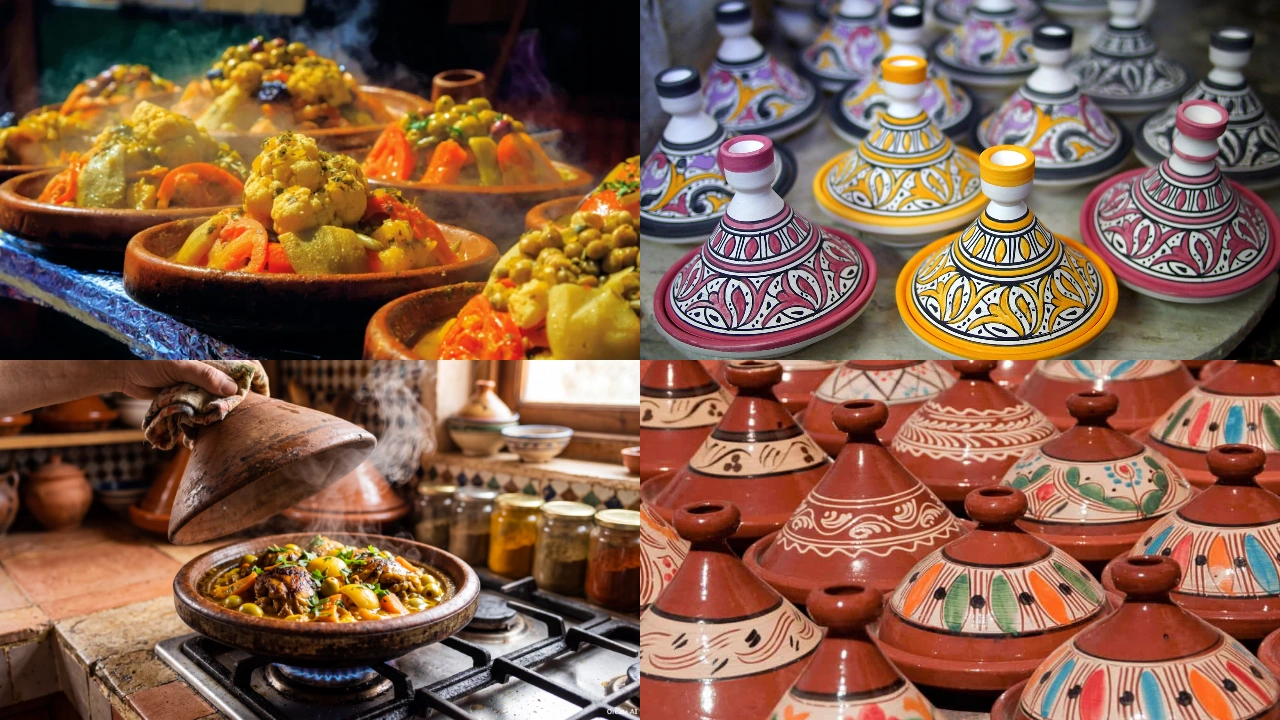
Traditional msemen is cooked on a hot, lightly greased griddle (tajine or flat pan) until golden and crisp on both sides. Follow these guidelines:
- Preheat the griddle over medium heat; a too-high temperature will burn outside while leaving inside doughy, too low results in undercooked msemen.
- Carefully place the folded msemen on the hot surface.
- Cook for 2-3 minutes per side, or until you see golden-brown spots developing and layers puffing slightly.
- Press gently with a spatula to ensure even contact and crisping.
- Use olive oil or butter on the griddle between batches for richness and non-stick effect.
Doneness Indicators: Crunchy golden layers on the outside with a soft, tender interior; the characteristic slightly puffed and flaky surface; and ease of peeling apart layers when eaten.
Common Mistakes and How to Avoid Them
- Dough too thick: Rolling dough too thick prevents layers from separating properly; roll as thin as possible without tearing.
- Insufficient resting: Without enough rest, dough is elastic and snaps back when stretched affecting layering.
- Poor layering: Skimping on olive oil and butter reduces flakiness; generous application helps layers separate.
- Improper folding: Overly tight folding squeezes out air, making flatbread dense instead of flaky.
- Cooking temperature issues: Too hot or too cold griddle results in burnt or undercooked msemen.
When to Eat Msemen: Traditions in Tangier and Beyond
In northern Morocco and Tangier, msemen is a beloved component of daily meals and social gatherings:
- Breakfast: Served warm with honey and argan oil, paired with mint tea for a soothing start to the day.
- Snack or wrap: Filled with spiced meat, vegetables, or cheese for a savory treat during the day.
- With tea: Msemen is a traditional accompaniment to afternoon Moroccan mint tea, making it a cultural experience.
Regional Variations
While msemen remains generally consistent across Morocco, subtle differences exist:
- In the Mnar region of Tangier, local cooks often prepare msemen with extra semolina for crunch.
- Some recipes include a touch of fine sugar for slightly sweeter profiles.
- Variations in folding styles affect thickness and crispiness, reflecting family traditions.
Immersive Experiences to Master Msemen
The best way to grasp the nuances of msemen is through hands-on practice. Tangier’s culinary scene offers unique opportunities for immersive learning, where you can try your hand at dough preparation, layering, folding, and cooking under expert guidance.
One standout option is Tangier’s first immersive farm-to-table culinary experience, set in a 6000m² organic garden in the Mnar region. Cook in a panoramic glass kitchen featuring a traditional wood-fired oven, where you can master msemen alongside other Moroccan breads like khobz. The interactive environment and fresh ingredients make it ideal for anyone passionate about authentic Moroccan cooking.
Practical Msemen Recipe Framework
Ingredients:
- 250g fine all-purpose flour
- 250g fine semolina
- 1 tsp salt
- 300-350ml lukewarm water
- 100ml olive oil and 50g melted butter for layering and cooking
Instructions:
- Combine flour, semolina, and salt. Gradually add water, kneading until smooth and elastic (about 10 minutes).
- Cover dough and let rest for 30 minutes.
- Divide dough into golf-ball sized pieces.
- On a greased surface, roll each ball thinly into a large circle or rectangle.
- Brush the surface generously with olive oil and melted butter.
- Fold dough into a square parcel, brushing with oil/butter between folds.
- Rest folded parcels briefly.
- Heat a griddle over medium heat, lightly oil surface.
- Cook msemen 2-3 minutes per side until golden and crisp.
- Serve hot with honey, argan oil, or as a savory wrap.
Frequently Asked Questions
Q1: Can msemen dough be made ahead of time?
Yes, you can prepare the dough in advance and refrigerate it for up to 24 hours. Bring it back to room temperature and allow rest before rolling and folding.
Q2: What is the best pan for cooking msemen?
A heavy-bottomed flat griddle or non-stick pan works well. Traditional Moroccan tagine pans are ideal for even heat distribution.
Q3: Can msemen be frozen?
Yes, uncooked folded msemen can be frozen. Thaw before cooking to maintain texture.
Q4: How does msemen differ from other Moroccan breads?
Msemen is unique due to its flaky, layered texture created by fat layering and folding, unlike thicker breads like khobz.
Q5: Is msemen suitable for vegan diets?
Traditional msemen uses olive oil and sometimes butter for layering. Butter can be substituted with more olive oil for a vegan-friendly version.