Estimated reading time: 8 minutes.
- The tagine is a central element of Moroccan culinary tradition.
- Its design allows for moisture retention and flavor enhancement during cooking.
- The origins of the tagine are linked to Berber cooking practices.
- Regional variations reflect local ingredients and cultural influences.
- Experiential cooking classes in Tangier offer immersive learning opportunities.
Table of Contents
- Understanding the Tagine: Clay Vessel and Culinary Technique
- Origins: Berber and Ancient North African Roots
- Spread and Influence: From North Africa to Moorish Spain
- The Tagine’s Role in Moroccan Culinary Identity
- Regional Variations of Tagine in Morocco
- Traditional Unglazed Clay vs. Modern Tagines
- The Philosophy of Slow Cooking: Patience in Moroccan Culture
- Experiencing Tagine History in Tangier
- Practical Tips for Travelers Interested in Tagine Cooking
Understanding the Tagine: Clay Vessel and Culinary Technique
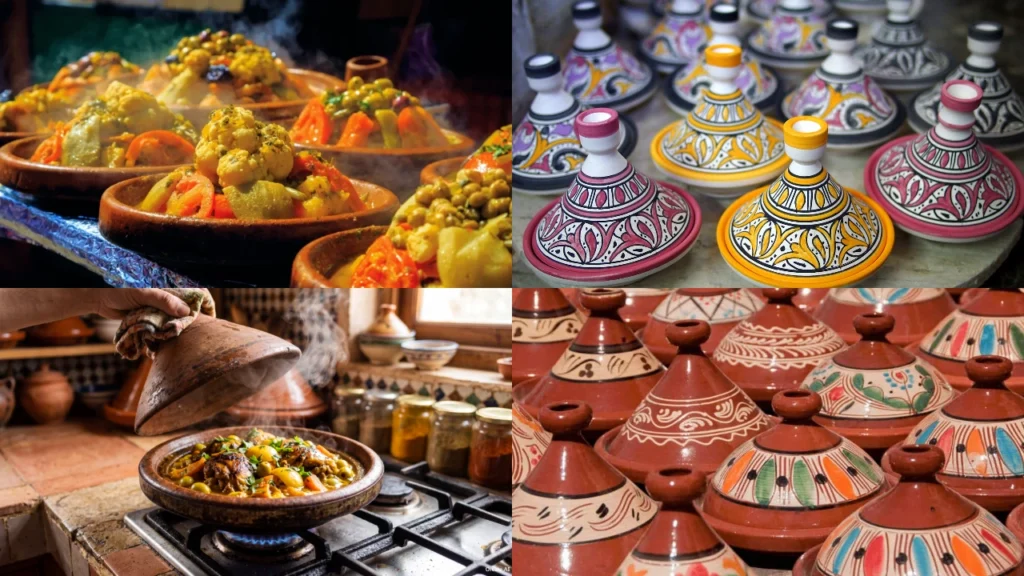
At its core, a tagine is a two-part cooking vessel made traditionally from unglazed clay, consisting of a shallow, circular base and a distinct conical lid. The design of the conical lid is a masterclass in functional cooking; it works by trapping steam as the food slowly cooks, causing condensation to drip back down into the dish. This process retains moisture, concentrates flavors, and tenderizes meat and vegetables without the need for added fats—perfect for North Africa’s diverse produce and spice palette.
The tagine’s slow cooking method makes it uniquely suited for tough cuts of meat and hearty vegetables, allowing flavors to meld in a way no other cooking vessel replicates. In Morocco, where cooking is considered an art form grounded in patience and community, the tagine represents more than just cookware—it is a cultural symbol of how time and care bring out the best in food.
Origins: Berber and Ancient North African Roots
The tagine history origin Morocco traces back thousands of years to the indigenous Berber populations of North Africa. Archaeological evidence and oral histories suggest that the use of clay vessels for slow cooking predates Islamic influence, rooted deeply in the nomadic and rural Berber lifestyle. These early cooking devices were used to prepare stews and slow-cooked meals essential for sustenance in the harsh climates of the Atlas Mountains and surrounding regions.
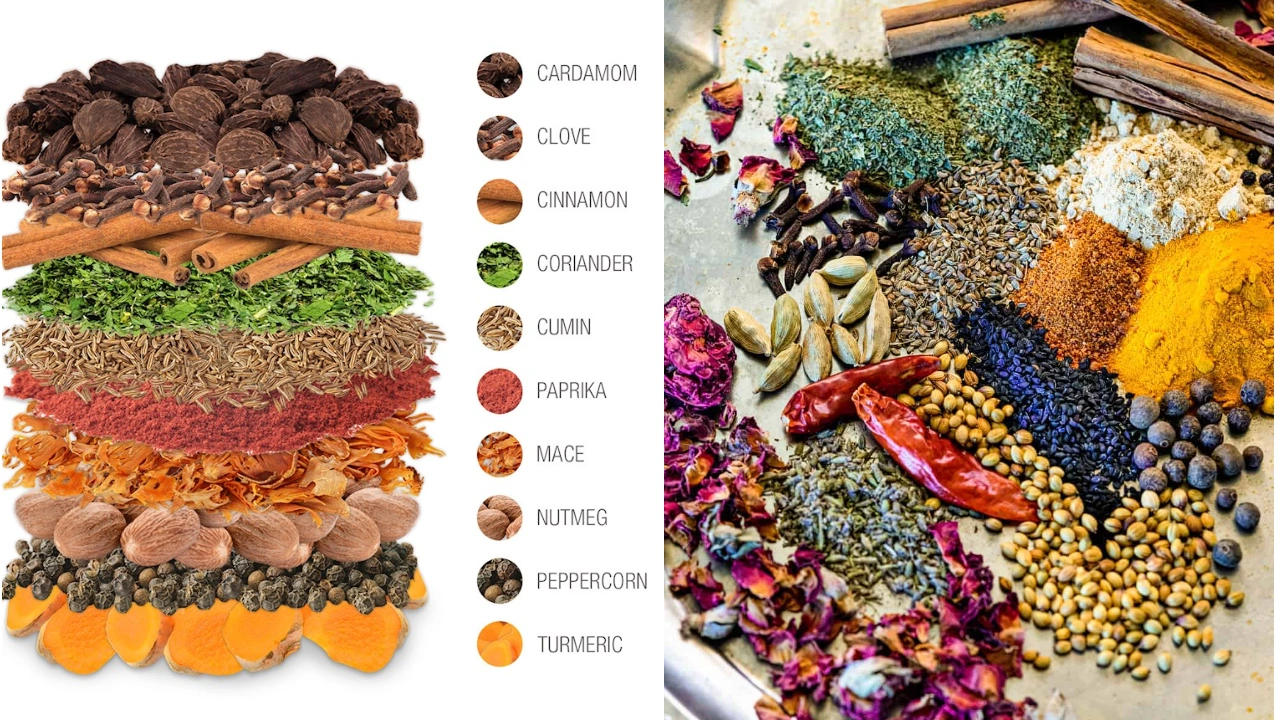
The simple yet effective design of the tagine evolved out of necessity. Berber tribes developed an efficient way to cook with limited water, using the condensation principle embedded in the conical lid to keep dishes moist over long periods. This method not only enhanced the flavor but also maximized the use of available ingredients—seasonal vegetables, dried fruits, preserved lemons, and spices.
Spread and Influence: From North Africa to Moorish Spain
During the medieval period, the tagine’s influence expanded alongside the migration of Berber and Arab peoples, traveling across North Africa and into the Iberian Peninsula where Moorish culture flourished. The slow-cooked flavors of the tagine seeped into Andalusian cuisine, blending with Mediterranean influences and expanding its culinary reach.
Despite these foreign influences, the tagine remained a distinctly Moroccan symbol, particularly in northern Morocco around Tangier and Mnar, where coastal and mountainous culinary traditions converged. The cross-pollination of ideas and ingredients enhanced the tagine’s richness, integrating dried fruits, nuts, and exotic spices with locally caught fish and livestock.
The Tagine’s Role in Moroccan Culinary Identity
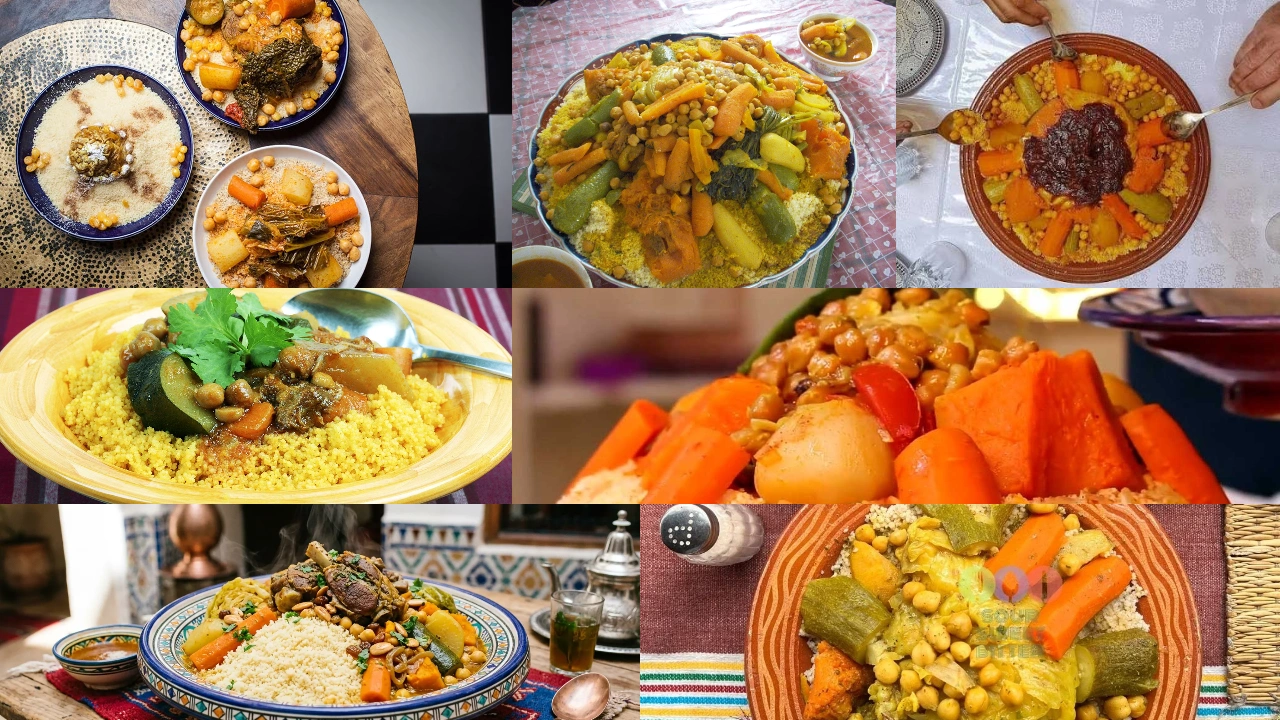
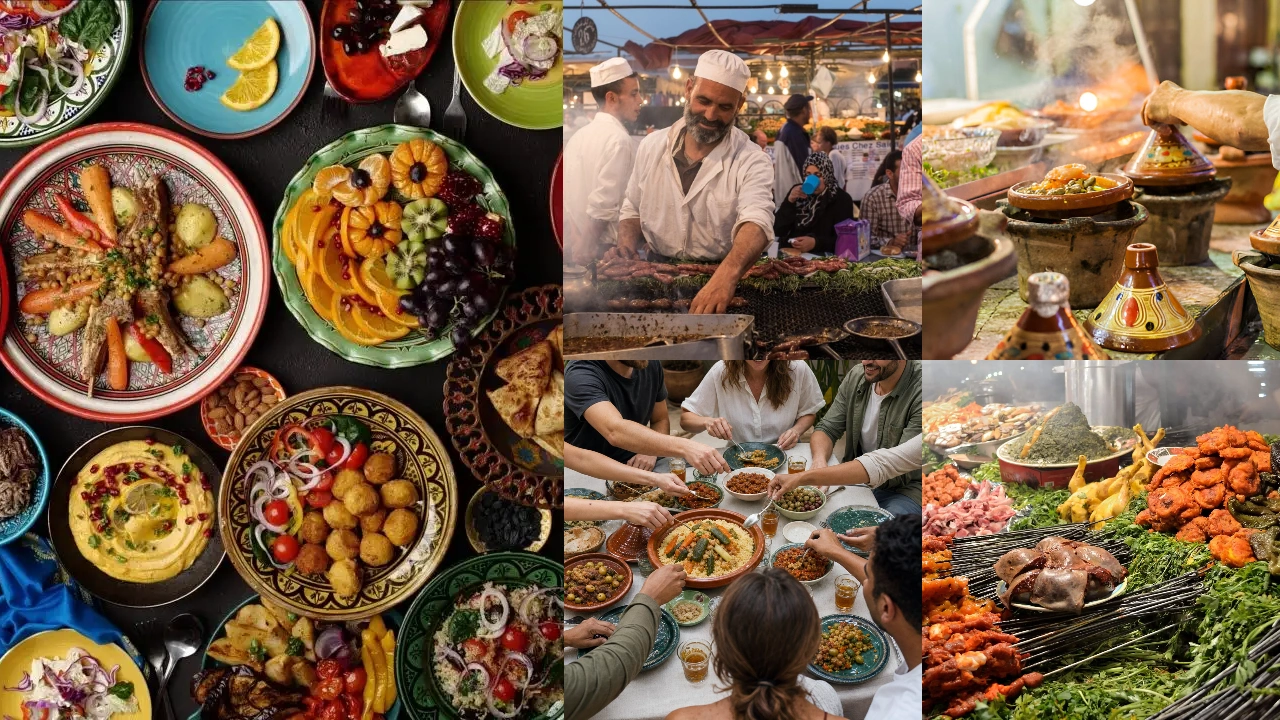
In Morocco, the tagine stands as an emblem of culinary heritage and social connection. Traditionally, tagines were communal meals eaten directly from the vessel, reinforcing familial bonds around the table. This practice continues, elevating the tagine beyond a simple dish to a heartfelt expression of hospitality and cultural pride.
The tagine history origin Morocco also highlights regional diversity. In northern Morocco, especially around Tangier, the chicken tagine with preserved lemon and olives is a signature dish rich with acidity and brightness. It contrasts with southern Moroccan tagines, which often feature lamb cooked with prunes or apricots, emphasizing sweet and savory combinations. Coastal areas along the Mediterranean and Atlantic, including the Tangier medina, celebrate fish tagines seasoned with fresh herbs and local spices.
Regional Variations of Tagine in Morocco
- Northern Morocco (Tangier, Mnar region): Chicken tagine with preserved lemon, green olives, and fresh herbs. This lighter style highlights the coastal influence with fresh, zesty flavors.
- Southern Morocco (Marrakech, Fes, Atlas Mountains): Rich lamb or beef tagine slowly cooked with dried fruits like prunes, apricots, and nuts. This combines sweetness and warmth with robust spices.
- Coastal Moroccan Tagines: Fish tagines often use preserved lemons, garlic, and coriander, showcasing the bounty of the sea with the slow-cooking benefits of the tagine vessel.
Understanding these regional nuances deepens appreciation for Moroccan cuisine, particularly for travelers and food enthusiasts exploring Tangier’s culinary scene.
Traditional Unglazed Clay vs. Modern Tagines
The classic clay tagine remains the preferred vessel for authentic Moroccan cooking, prized for its porous qualities that absorb and release moisture, enhancing flavor development. However, modern adaptations such as enameled cast iron tagines have grown in popularity, especially outside Morocco, for their durability and ease of use.
Despite these alternatives, traditional unglazed clay tagines maintain superiority for achieving the signature slow-cooked tenderness and complex layered flavors, such as those experienced in Tangier’s culinary workshops at Pick It Cook It. There, chefs highlight the tagine’s construction and daily use, demonstrating how the vessel’s clay and thermal properties are integral to taste and texture.
The Philosophy of Slow Cooking: Patience in Moroccan Culture
The art of slow cooking in a tagine requires patience—a quality deeply embedded in Moroccan culture. Preparing a tagine is more than following a recipe; it is an immersive process where timing, heat management, and gradual absorption of spices yield a nourishing and soulful meal.
This philosophy extends metaphorically to social and family life, where good things come to those who wait. The tagine’s slow simmering nurtures connections as much as flavors, encouraging shared moments and mindfulness. In northern Morocco, especially in Tangier and the Mnar region, this tradition is preserved and celebrated through immersive culinary experiences offering visitors the chance to witness and participate in creating authentic tagine dishes.
Experiencing Tagine History in Tangier
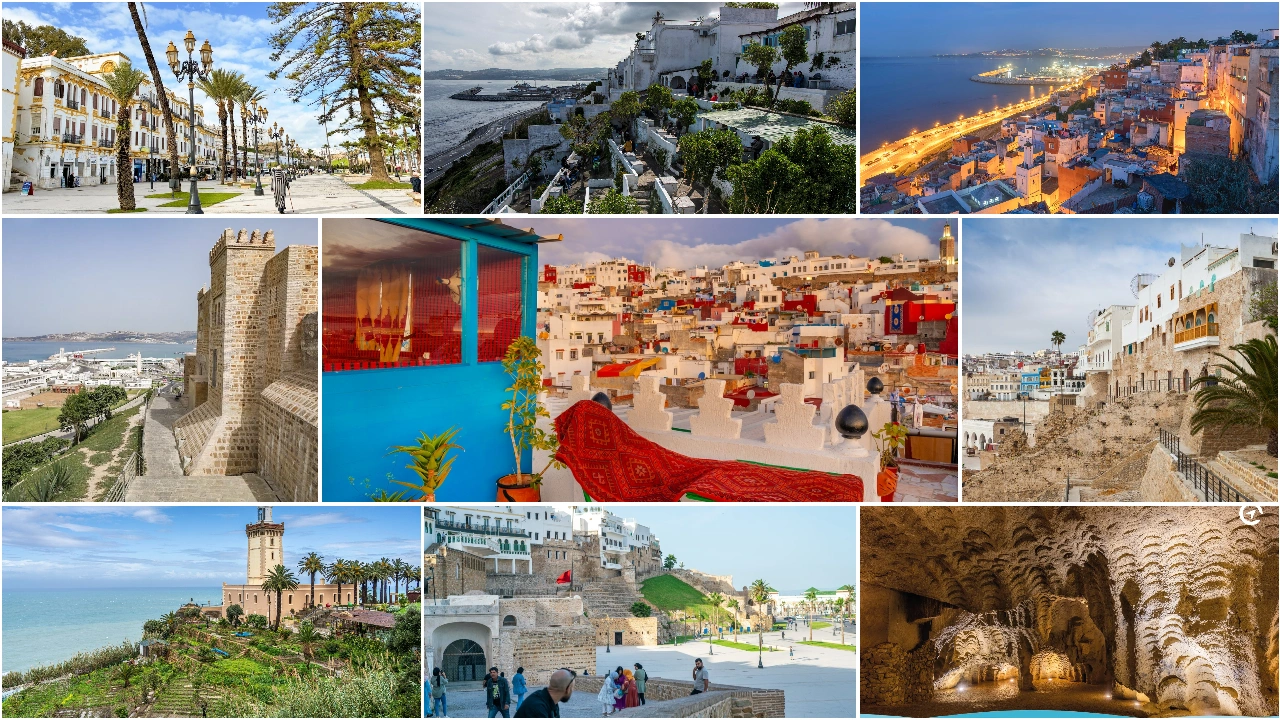
For a deeper connection with the tagine’s rich history and Moroccan culinary traditions, Tangier provides an ideal setting. Beyond exploring the medina’s vibrant souks and the lively Grand Socco, food lovers can visit the Mnar organic garden for an authentic farm-to-table experience.
Tangier’s first immersive farm-to-table culinary experience, set in a 6000m² organic garden in the Mnar region, invites guests to discover the roots of tagine cooking firsthand. Here, participants learn to build a chicken tagine with preserved lemon and olives from the foundational spices up, all in a panoramic glass kitchen featuring a traditional wood-fired oven—a perfect blend of history and hands-on learning. This thoughtful immersion showcases not only the tagine as a dish but the care, tradition, and agriculture behind Moroccan cuisine.
Practical Tips for Travelers Interested in Tagine Cooking
- Visit the Mnar region: Engage with local chefs and farmers to understand how fresh, organic ingredients elevate the traditional tagine.
- Explore Tangier’s food markets: Places like the Grand Socco are brimming with spices, preserved lemons, and fresh produce essential for tagine creation.
- Book authentic cooking classes: Participating in Moroccan cooking classes in Tangier, especially those focusing on traditional tagine dishes, will deepen appreciation for the nuances of slow cooking.
- Use traditional vessels when possible: Experiencing a tagine prepared in an unglazed clay pot offers the most authentic flavors and textures.
For travelers passionate about authentic Moroccan cuisine, hands-on culinary experiences like those at Pick It Cook It offer invaluable insights into both food and culture.
Tangier’s first immersive farm-to-table culinary experience, set in a 6000m² organic garden in the Mnar region, provides an exceptional opportunity to engage with traditional Moroccan cooking. Visitors can partake in preparing tagines from scratch in a breathtaking setting, deepening their understanding of the tagine history origin Morocco and savoring the region’s unique flavors. Learn more about the cooking class in Tangier to enrich your culinary journey.
Frequently Asked Questions About Tagine History Origin Morocco
1. What is the significance of the conical lid in a tagine?
The conical lid traps steam during slow cooking, causing condensation to drip back onto the food, retaining moisture and encouraging tender, flavorful dishes.
2. How did tagine cooking originate in Morocco?
Tagine cooking originated with the Berber people in North Africa, who developed the clay vessel and slow-cooking method over thousands of years to make the most of local ingredients.
3. What are some popular regional tagine variations in Morocco?
Northern Morocco favors chicken with preserved lemon and olives, southern regions prefer lamb with dried fruits like prunes, while coastal areas often use fresh fish in their tagines.
4. How is a traditional unglazed clay tagine different from modern versions?
Traditional clay tagines absorb and release moisture effectively, promoting authentic slow cooking and flavor, while enameled cast iron versions are more durable but less porous.
5. Where can travelers learn to cook an authentic Moroccan tagine in Tangier?
Cooking classes like those at Pick It Cook It in the Mnar region offer immersive experiences to learn tagine preparation using traditional methods and ingredients.
To join a tagine cooking class in Tangier and deepen your understanding of this iconic dish, bookings are available via WhatsApp +212 662 735 863 or online at Pick It Cook It’s official pages:
- Cook It Moroccan Cooking Class Tangier
- Pick It Cook It Moroccan Cooking Class Tangier
- Plant It Taste It Moroccan Cooking Class Tangier
Embark on a culinary journey that celebrates the tagine history origin Morocco and the vibrant food culture of northern Morocco in one of its most beautiful cities.