Reading time: 8 minutes
Quick answer: Learn to cook Moroccan food in Tangier is an immersive culinary experience where participants master traditional recipes and cooking techniques in northern Morocco’s distinctive context. This hands-on journey highlights essential tools like the clay tagine and authentic flavor combinations that define Tangier’s Mediterranean-influenced gastronomy.
Key Takeaways
- Cooking classes in Tangier emphasize fresh, organic ingredients and traditional cookware like unglazed clay tagines.
- Participants learn unique Moroccan spices such as ras el hanout, which varies by family and region.
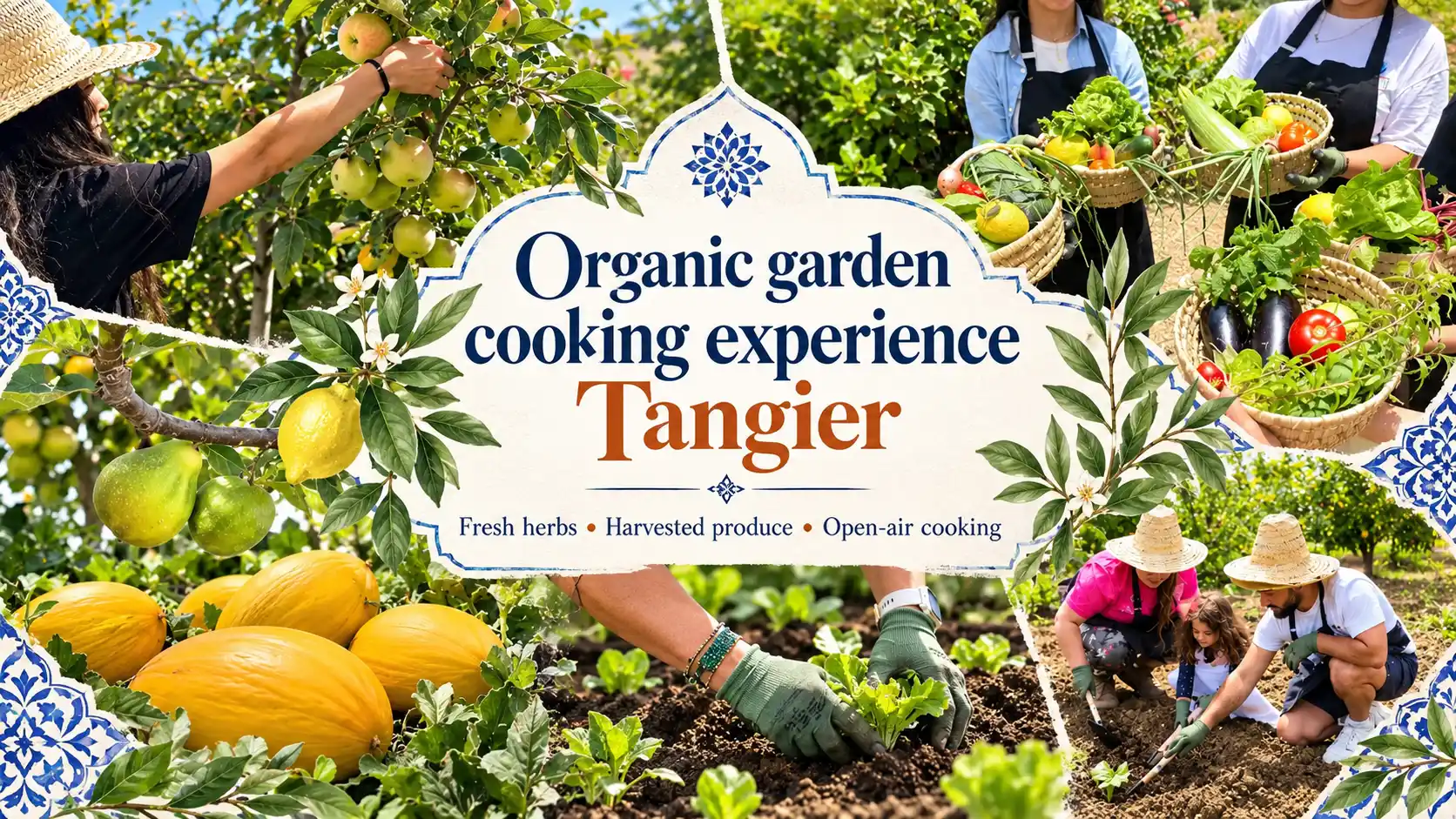
- Classes often include farm-to-table experiences, allowing guests to harvest ingredients directly from gardens.
Table of Contents
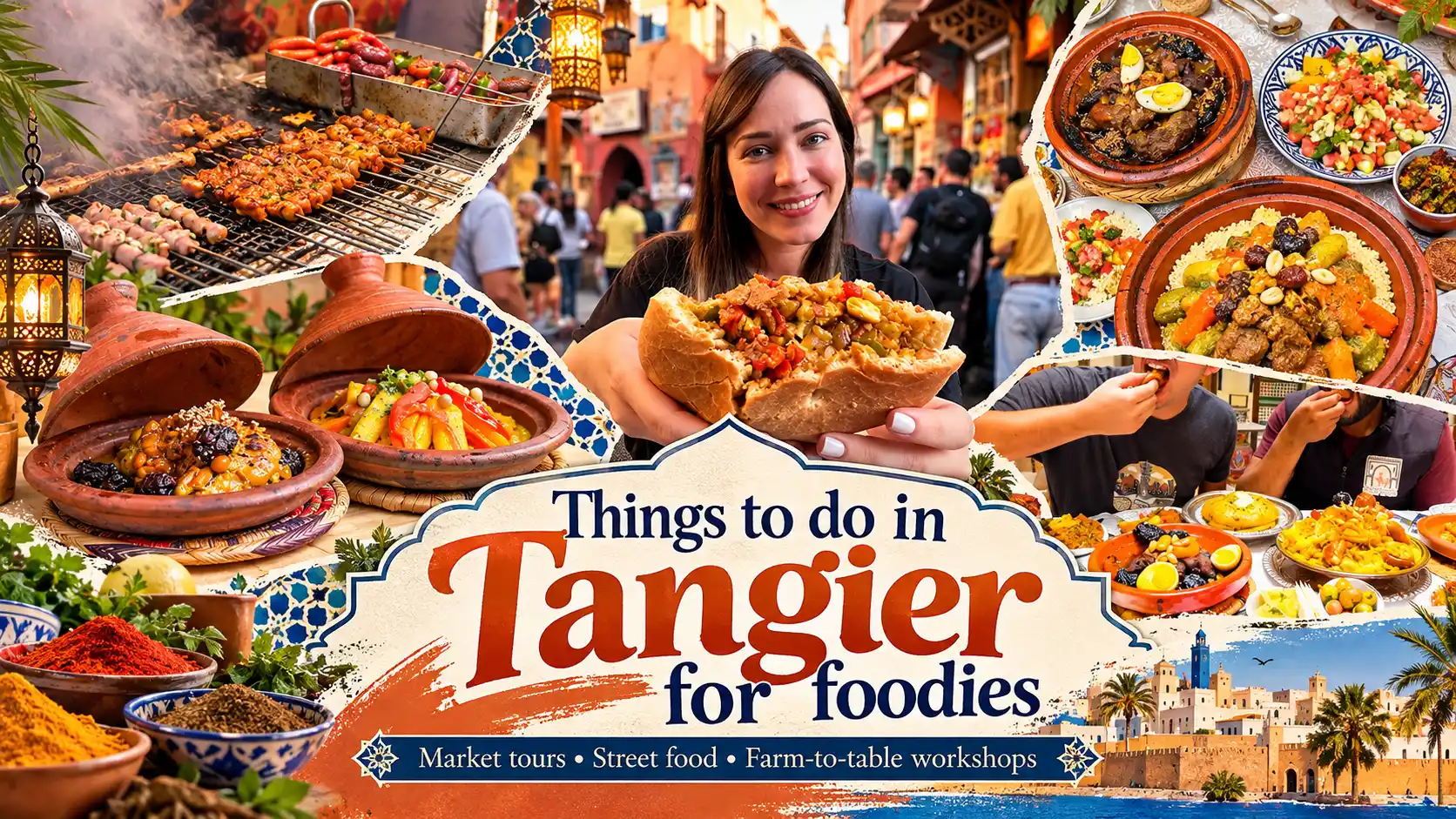
Learning to cook Moroccan food in Tangier offers more than just recipes; it provides insight into the heritage and intricate flavors that shape the region’s cuisine. In northern Morocco, Tangier blends coastal ingredients with time-honored methods, creating dishes that reflect centuries of cultural exchange. Visitors encounter iconic staples such as tagine, couscous, and bastilla, prepared using specific techniques and authentic cookware. The experience also introduces key spice blends like ras el hanout and essential components such as preserved lemons and saffron, which contribute to Moroccan dishes’ unique profiles. Shore passengers, culinary travelers, and food lovers alike value hands-on cooking classes that reveal the nuances of Moroccan food preparation while emphasizing fresh, organic ingredients sourced locally. This article outlines how to master Moroccan cooking methods in Tangier, explore traditional cookware, understand regional flavors, and experience genuine farm-to-table culinary sessions.
Why Learning to Cook Moroccan Food in Tangier Connects Culture and Cuisine
Learning to cook Moroccan food in Tangier immerses participants in northern Morocco’s distinctive gastronomic identity shaped by Mediterranean influences and ancient traditions. Unlike central or southern regions, Tangier’s cuisine integrates coastal herbs and seafood, along with local produce from organic gardens. Culinary travelers discover that northern Moroccan cooking embodies a lighter, fresher style, often featuring chermoula marinade, abundant use of cumin, and a balanced interplay between spices. For food lovers, this means exploring beyond the usual stereotypes of Moroccan food, gaining appreciation for its diversity. According to UNESCO, couscous, a core Moroccan dish often prepared in Tangier-styled cooking classes, was recognized as Intangible Cultural Heritage in 2020, emphasizing its cultural importance. The tangible connection between historical trade routes and local ingredients appears clearly in Tangier’s kitchen, where farm-to-table methods reveal the land’s bounty.
Unique Ingredients and Local Flavors
Northern Morocco’s geographic position ensures access to fresh produce such as preserved lemon, saffron, and fresh herbs. Ras el hanout, the complex spice blend, varies by village and family but forms the foundation of flavor. Tangier’s proximity to the Mediterranean also influences the inclusion of seafood and bright citrus, enhancing traditional dishes. Such seasonings and elements appear consistently in local tagines and couscous, adding layers of taste that culinary travelers learn to recreate.
How Traditional Cookware Shapes Tangier’s Moroccan Cooking Techniques
Traditional cookware like the unglazed clay tagine plays a fundamental role in how Moroccan food is prepared and experienced in Tangier. Cooking in these distinctive clay vessels imparts an earthy flavor that metal pots cannot replicate while using steam condensation to retain moisture naturally. This technique enriches dishes like lamb tagine with preserved lemon and olives by blending the flavors over slow cooking periods. Unglazed clay’s porous nature lets heat diffuse gently, ensuring tender ingredients and balanced spice infusion. According to culinary studies, the unique moisture retention in unglazed tagines significantly improves texture, preventing drying out while intensifying aroma. In addition to tagines, wood-fired ovens and traditional brass pans are common in Tangier kitchens, contributing to diversified cooking methods.
Benefits of Cooking with Unglazed Clay Tagines
- Earthy Flavor Infusion: The clay subtly influences the taste profile, giving an authentic, grounded character.
- Moisture Retention: Steam circulates within the closed lid, preserving food juiciness and preventing dehydration.
- Energy Efficiency: Slow and even heat distribution allows cooking at lower temperatures, conserving fuel in wood ovens.
Other Moroccan Cooking Techniques Used in Tangier
- Wood-fired ovens are employed for baking bread like khobz or msemen, adding a smoky flavor.
- Open flame grilling introduces caramelization for meats commonly used in chermoula.
- Steaming couscous keeps the grains light and fluffy, a method taught in many Tangier classes.
Essential Flavor Profiles and Spice Combinations in Tangier’s Moroccan Food
The defining feature of Moroccan cuisine lies in its intricate layering of spices and aromatic ingredients. Learning to cook Moroccan food in Tangier involves mastering the balance of warm, bright, and herbal notes that characterize regional dishes. The spice blend ras el hanout, sometimes containing over 20 spices such as cinnamon, cumin, ginger, and turmeric, delivers complexity without overwhelming. Preserved lemon adds a tangy, fermented brightness that contrasts with deep saffron tones, pivotal in dishes like chicken tagine. According to spice expert estimates, Moroccan kitchens use between five to ten key spices per recipe to create their signature taste profiles. Flavor foundations also include garlic, coriander, and fresh cilantro, which bring freshness and cut through the richness of meat and slow-cooked vegetables.
Key Ingredients in Tangier Cooking
- Ras el hanout: a tailored spice blend unique to each cook, essential for depth and warmth.
- Preserved lemon: adds zesty acidity and fermented notes for balance.
- Saffron: offers subtle floral undertones prized in festive and everyday dishes.
- Cumin and coriander: contribute earthiness and a slight citrus character.
Typical Dishes Featuring These Flavors
- Tagine with preserved lemon and olives
- Harira soup: a spiced tomato and lentil soup often flavored with cumin and coriander
- Couscous topped with ras el hanout-spiced meat and vegetables
- Bastilla: a layered savory pie combining sweet and savory spices
How Pick it Cook it Enhances Your Experience to Learn Moroccan Cooking in Tangier
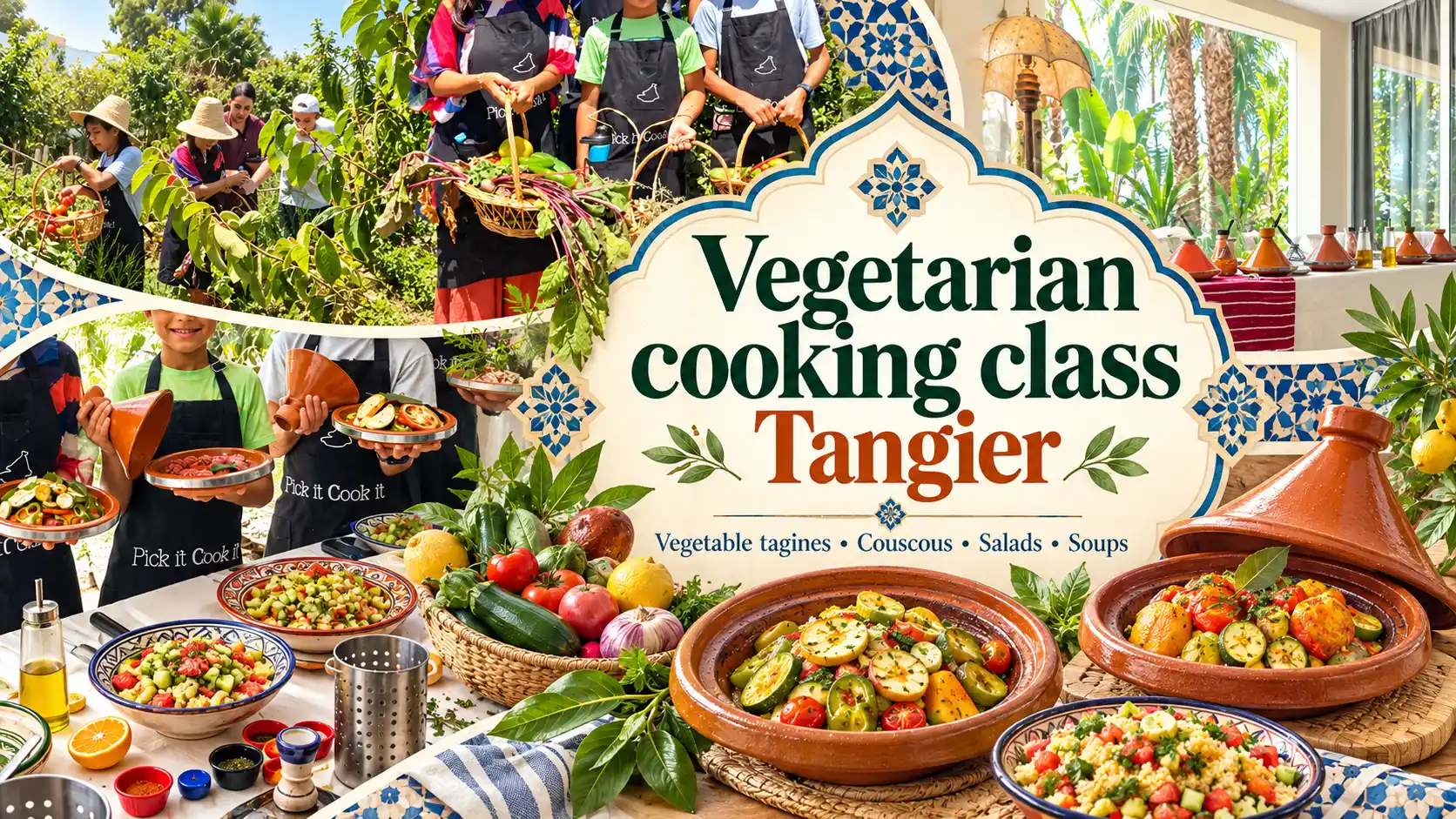
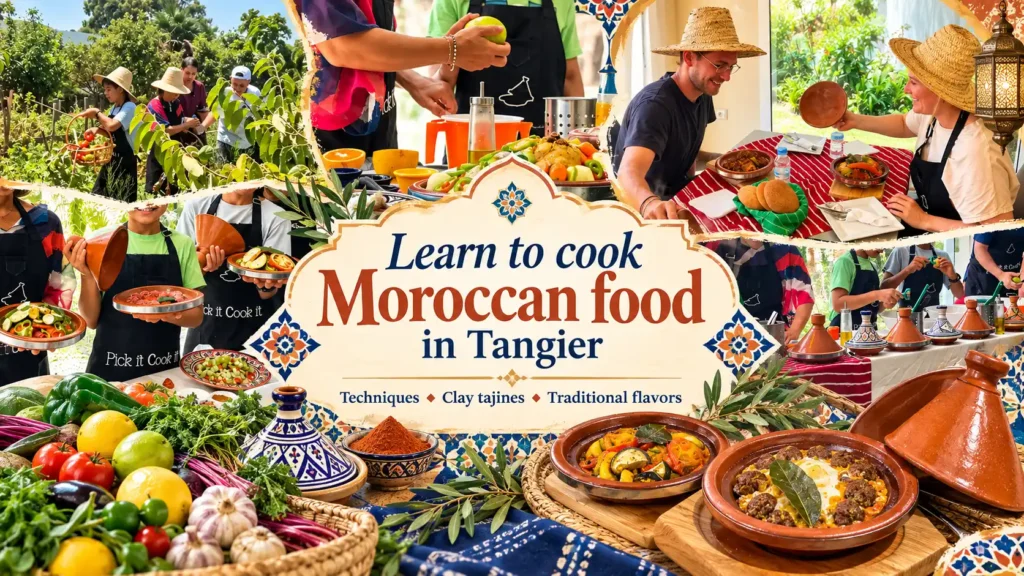
Pick it Cook it offers a farm-to-table culinary experience located on a 6,000 m² organic garden estate in Mnar, Tangier, providing guests an authentic setting that integrates fresh ingredients and hands-on learning. The experience features a panoramic glass kitchen with 360° views over the Mediterranean, where guests harvest seasonally available produce and learn to prepare traditional northern Moroccan dishes under expert guidance. Unlike typical classes, Pick it Cook it emphasizes local sourcing and sustainable cooking techniques, with private groups ranging from 2 to 40 people and sessions available from 50€ per person. The Cook it cooking class runs approximately 2.5 to 3 hours, including port transfers from the Tangier cruise terminal, making it accessible to shore passengers seeking cultural immersion during their visit. The combination of setting, expert instruction, and focus on organic garden produce makes Pick it Cook it a prime example for culinary travelers wanting to learn to cook Moroccan food in Tangier.
What You Learn at Pick it Cook it
- Harvesting fresh herbs, vegetables, and spices directly from the garden
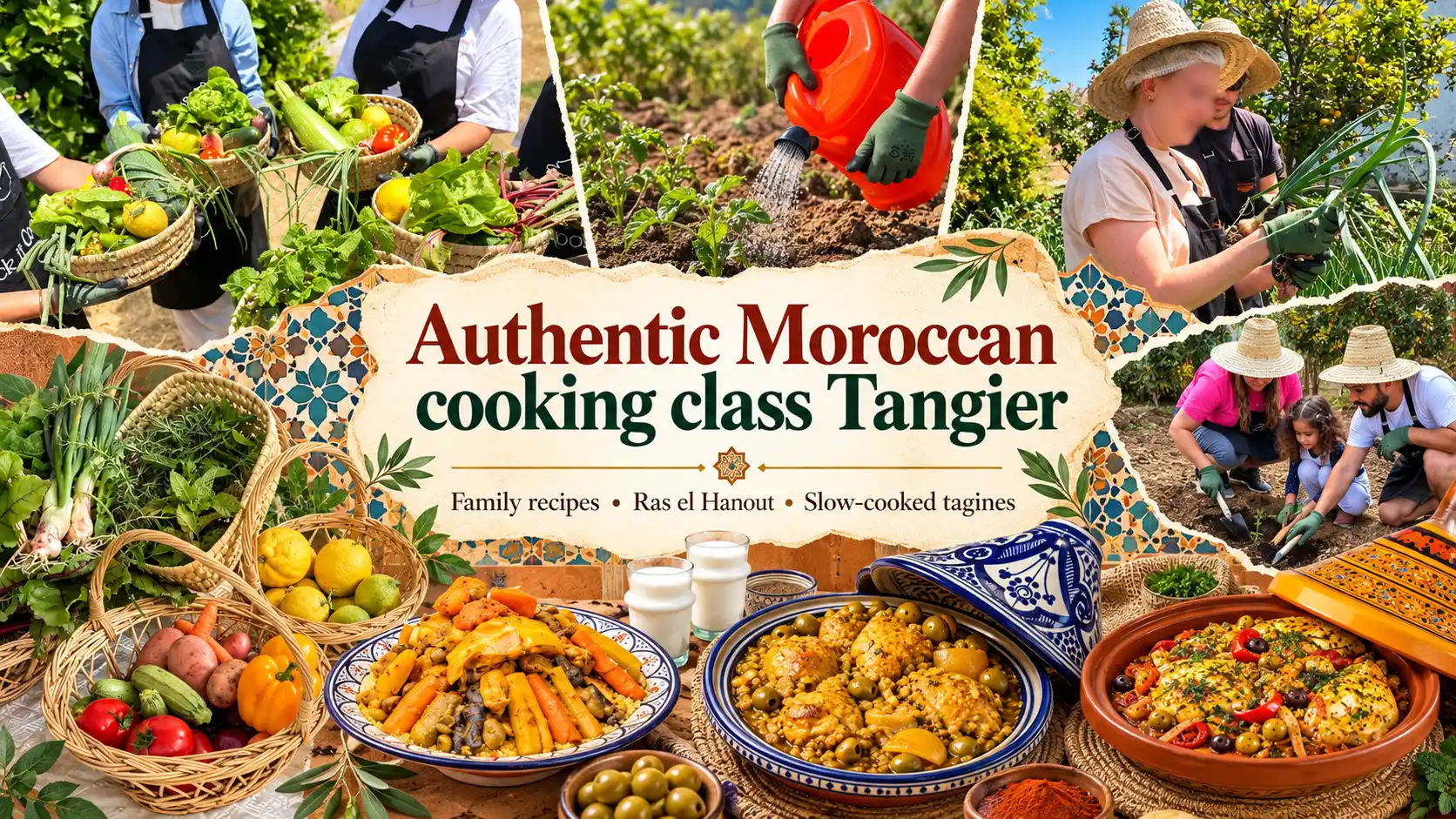
- Preparing traditional recipes such as authentic tagine, msemen, and harira using unglazed clay cookware
- Understanding spice blending, including creating your blend of ras el hanout
- Baking khobz bread in a wood-fired oven
The full experience allows participants to appreciate the origins of ingredients and how they influence Moroccan cooking’s distinctive taste and technique.
Frequently Asked Questions
How do I learn to cook Moroccan food in Tangier if I am visiting on a cruise?
Many cooking classes in Tangier, including Pick it Cook it, offer shore excursions with port pick-up from the Tangier cruise terminal included. Sessions generally last between 2.5 to 3 hours, making them suitable for cruise passengers looking for immersive culinary experiences without tight timing.
What makes cooking in a clay tagine different from other cooking vessels?
Cooking in an unglazed clay tagine imparts subtle earthy flavors to dishes and naturally retains moisture through steam condensation. This method allows ingredients to cook gently while blending spices deeply, resulting in tender and richly flavored food typical of Moroccan cuisine.
Can I learn to make traditional Moroccan breads like msemen or khobz in Tangier cooking classes?
Yes, many classes in Tangier teach participants to make traditional breads such as msemen, a flaky flatbread, and khobz, a round Moroccan loaf often baked in wood-fired ovens. These breads are essential staples served alongside tagine and harira.
Learning to cook Moroccan food in Tangier introduces travelers to authentic cooking methods, traditional cookware, and regional flavor profiles unique to northern Morocco. Embracing techniques like cooking in unglazed clay tagines and using fresh, locally sourced ingredients enriches the culinary experience while connecting participants to the cultural roots of Tangier. For those seeking a genuine farm-to-table cooking class, Pick it Cook it offers a complete experience on a 6,000 m² organic garden estate in Mnar with stunning Mediterranean views. Guests harvest, cook, and savor dishes prepared with local guidance. Book your session directly at pickitcookit.com or via WhatsApp to discover Moroccan cuisine at its source.