Reading time: 8 minutes
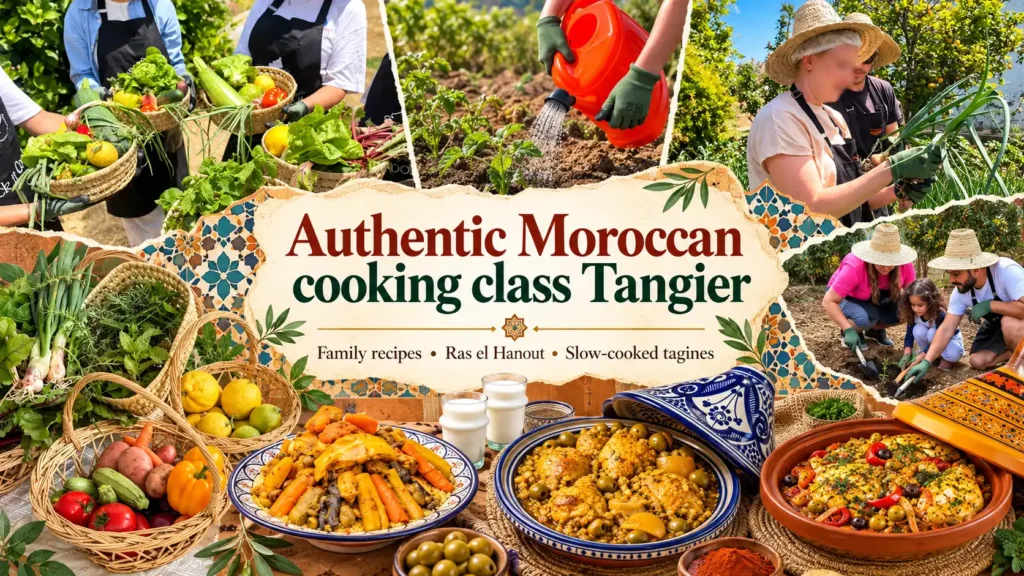
Quick answer: An authentic Moroccan cooking class in Tangier is a hands-on culinary experience in northern Morocco that teaches participants how to prepare traditional dishes using local spices like saffron, cumin, and cinnamon. The class focuses on family recipes, spice blending such as ras el hanout, and slow-cooked tagines, providing deep cultural insights and rich Mediterranean views.
Key Takeaways
- Participants learn to prepare traditional northern Moroccan dishes and the art of spice blending.
- Classes emphasize fresh, local ingredients harvested from an organic garden.
- Couscous is recognized on UNESCO’s Intangible Cultural Heritage list, highlighting its cultural significance.
Table of Contents
- What Makes an Authentic Moroccan Cooking Class in Tangier Unique
- Step-by-Step Guide to Learning Moroccan Spice Blending and Tagine Cooking
- The Role of Spices Like Saffron, Cumin, and Cinnamon in Northern Moroccan Cuisine
- Pick it Cook it in Mnar: A Real-World Example of the Authentic Moroccan Cooking Class in Tangier
- Traditional Moroccan Dishes Featured in Authentic Cooking Classes Like Tagine and Couscous
What Makes an Authentic Moroccan Cooking Class in Tangier Unique
Authentic Moroccan cooking classes in Tangier immerse guests in northern Morocco’s culinary heritage, combining hands-on cooking with a connection to local ingredients and traditional spice usage. Northern Moroccan cuisine differs from southern styles by its lighter, coastal flavors and Andalusian influences, which are evident in both the recipes and ingredient choices.
These classes focus on dishes made with spices such as saffron, cumin, and cinnamon that form the foundation of local cooking. One highlight is learning the art of making ras el hanout, a signature complex spice blend that may contain up to 30 ingredients, including dried flowers, peppercorns, and exotic herbs. Classes provide insights into slow-cooked tagines and other regional specialties that rely on slow heat to unlock rich, layered flavors.
Statistics show that couscous was inscribed on UNESCO’s Intangible Cultural Heritage list on December 16, 2020, underscoring the global recognition of Moroccan culinary traditions. Many classes take place in environments where ingredients come fresh from an organic garden, enhancing the farm-to-table aspect. The inclusion of nearby natural settings, such as the Mediterranean coastline visible from many kitchens, plays an essential role in cultivating a culinary atmosphere tied to the local terroir.
Step-by-Step Guide to Learning Moroccan Spice Blending and Tagine Cooking
Learning how to blend spices and prepare slow-cooked tagines is at the heart of an authentic Moroccan cooking class in Tangier. These classes teach the recommended preparation steps in a clear process designed for both beginners and experienced cooks.
- Selecting Fresh Ingredients
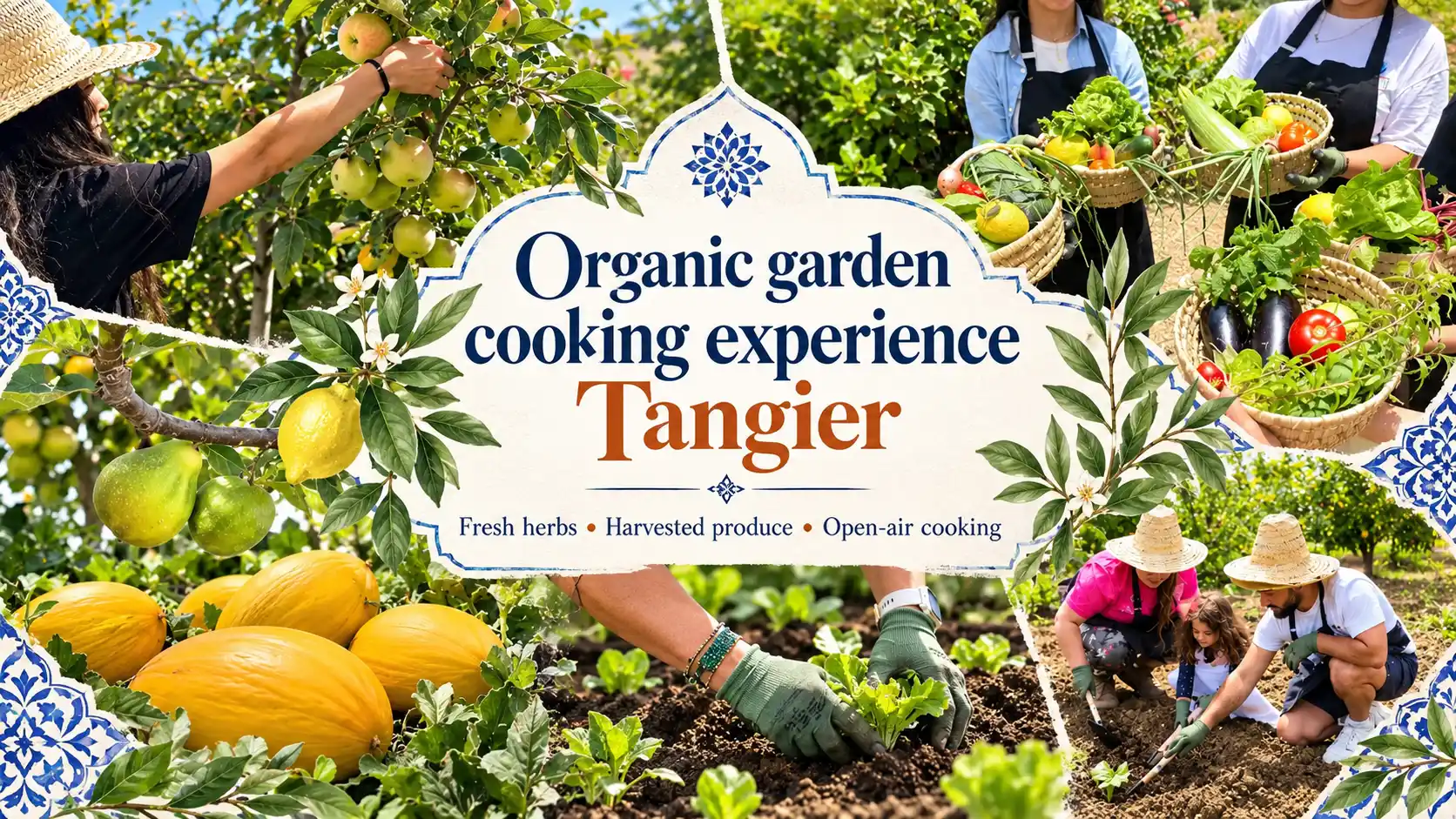
Cooking starts with harvesting herbs and vegetables from the organic garden, ensuring a fresh, farm-to-table approach. - Preparing Ras El Hanout Spice Blend
Participants measure and mix core spices including cinnamon, cumin, and saffron. The class discusses balancing these with other spices such as ginger, coriander, and turmeric to create the perfect blend. - Marinating Proteins
Meat or vegetables are marinated in chermoula, a marinade consisting of preserved lemon, garlic, and the blended spices. This step infuses the dish with complex flavor before slow cooking. - Assembling the Tagine
Ingredients are layered in a clay pot, or tagine, which traps moisture and circulates heat gently throughout cooking. - Slow Cooking the Tagine
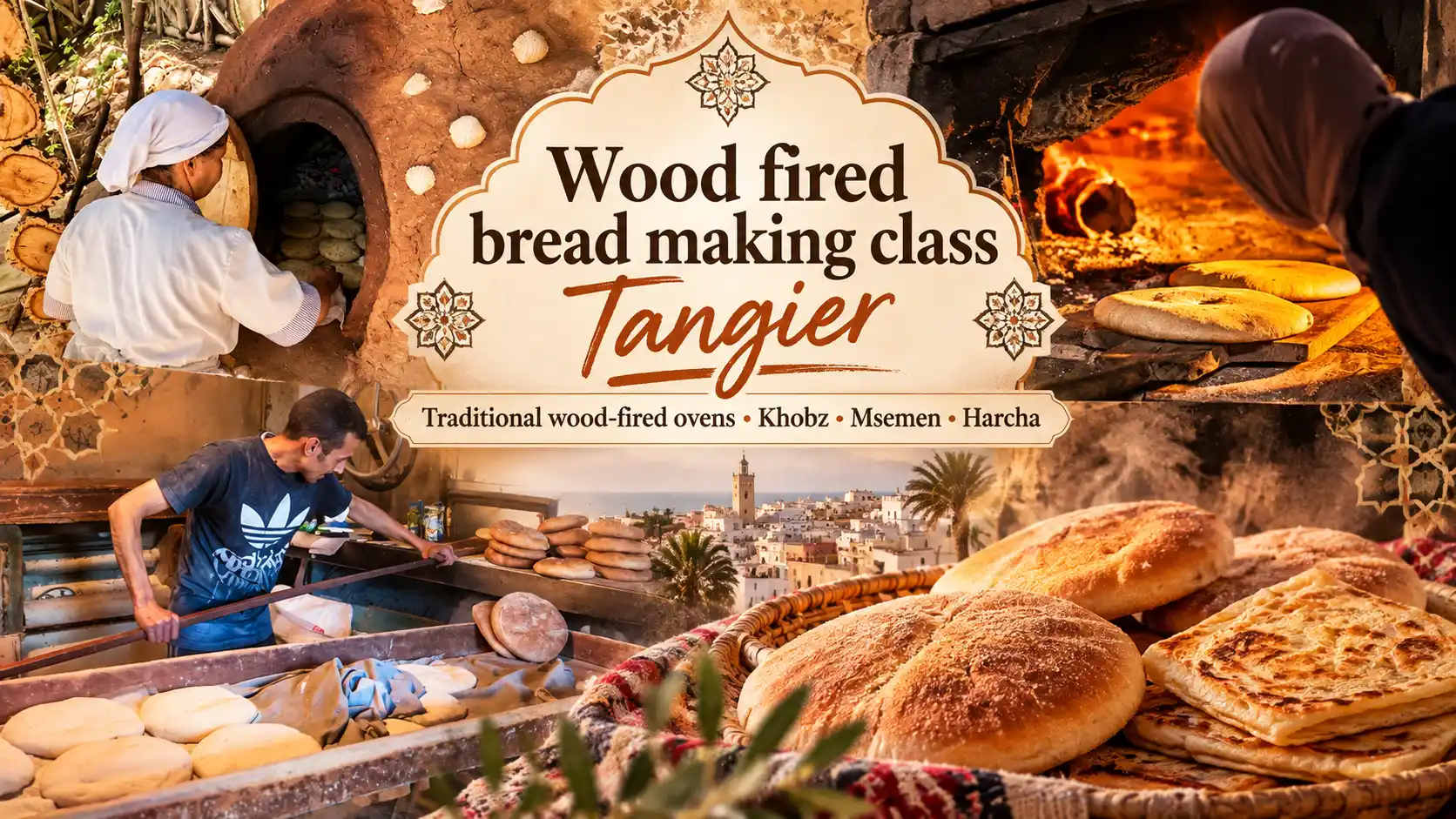
The tagine is then cooked over low heat, often in a wood-fired oven or traditional stovetop, for several hours to tenderize ingredients and deepen flavors.
By the end of these steps, students gain a deep understanding not only of how to make the dish but also why each step contributes to authentic Moroccan taste. This approach respects family recipes passed down through generations, ensuring cultural continuity.
The Role of Spices Like Saffron, Cumin, and Cinnamon in Northern Moroccan Cuisine
Spices such as saffron, cumin, and cinnamon are the building blocks of northern Moroccan cuisine, each contributing unique aromas and flavors that define regional dishes.
Saffron, often called “red gold,” is valued for its delicate sweetness and subtle earthiness. Though expensive, its inclusion in tagines and rice dishes adds complexity and a distinctive color. Cumin introduces an earthy warmth, acting as a base flavor in many Moroccan recipes, while cinnamon provides a sweet-spicy note that balances savory and sweet elements.
Ras el hanout, a prime example of these spices’ importance, varies between families and regions but typically includes all three. It is central to vegetable and meat dishes alike, from harira soups to bastilla, demonstrating how integral these spices are to Moroccan identity.
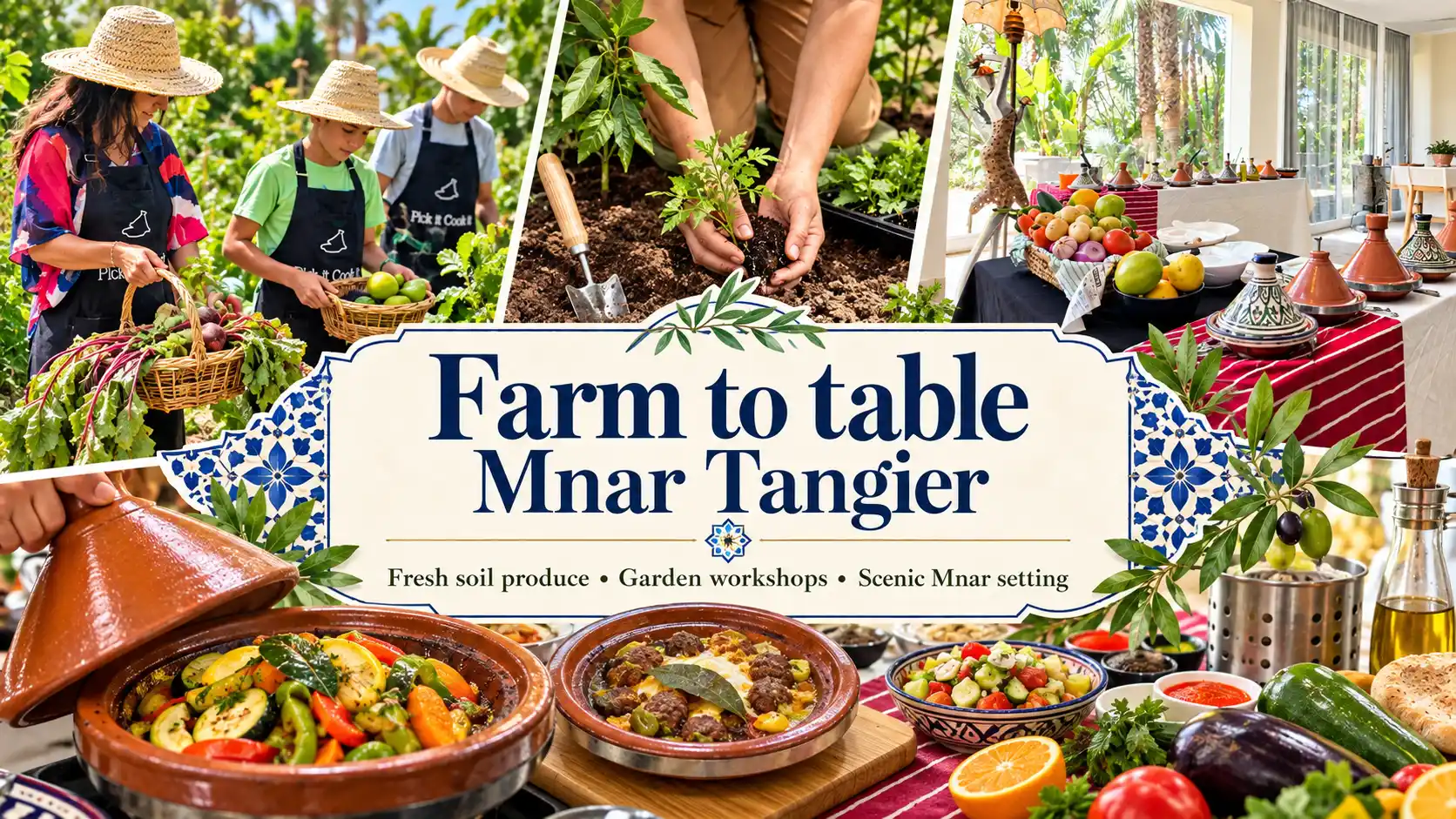
Statistics note that over 6,000 m² of organic gardens, such as those at Pick it Cook it in Mnar, Tangier, supply fresh spices and herbs that enhance these traditional tastes. The farm-to-table ethos helps preserve the authentic flavors that have evolved in this region for centuries. The artful use of spices brings depth to dishes that might otherwise taste bland, fulfilling Moroccan families’ culinary philosophy to blend flavors harmoniously.
Pick it Cook it in Mnar: A Real-World Example of the Authentic Moroccan Cooking Class in Tangier
Pick it Cook it offers an authentic Moroccan cooking class in Tangier that combines practical cooking skills with cultural immersion on a 6,000 m² organic garden estate in Mnar. The setting includes a panoramic glass kitchen with 360° views over the Mediterranean, connecting participants with the landscape that shapes local cuisine.
One key differentiator of Pick it Cook it is its farm-to-table approach, where guests harvest fresh ingredients before preparing traditional dishes like slow-cooked tagines. The Cook it cooking class runs approximately 2.5 to 3 hours, making it accessible as a shore excursion for cruise passengers docking at the nearby Tangier port. Port pick-up from the cruise terminal is included in every booking, enhancing convenience.
Groups from 2 to 40 people are hosted privately, allowing the experience to feel personalized and intimate. The experience provides detailed teaching on spice blending, including making ras el hanout from scratch. After cooking, guests enjoy the dishes they prepare, deepening their appreciation for northern Moroccan cuisine in a setting that merges nature, tradition, and learning. For booking information and details, see the Pick it Cook it full experience.
Traditional Moroccan Dishes Featured in Authentic Cooking Classes Like Tagine and Couscous
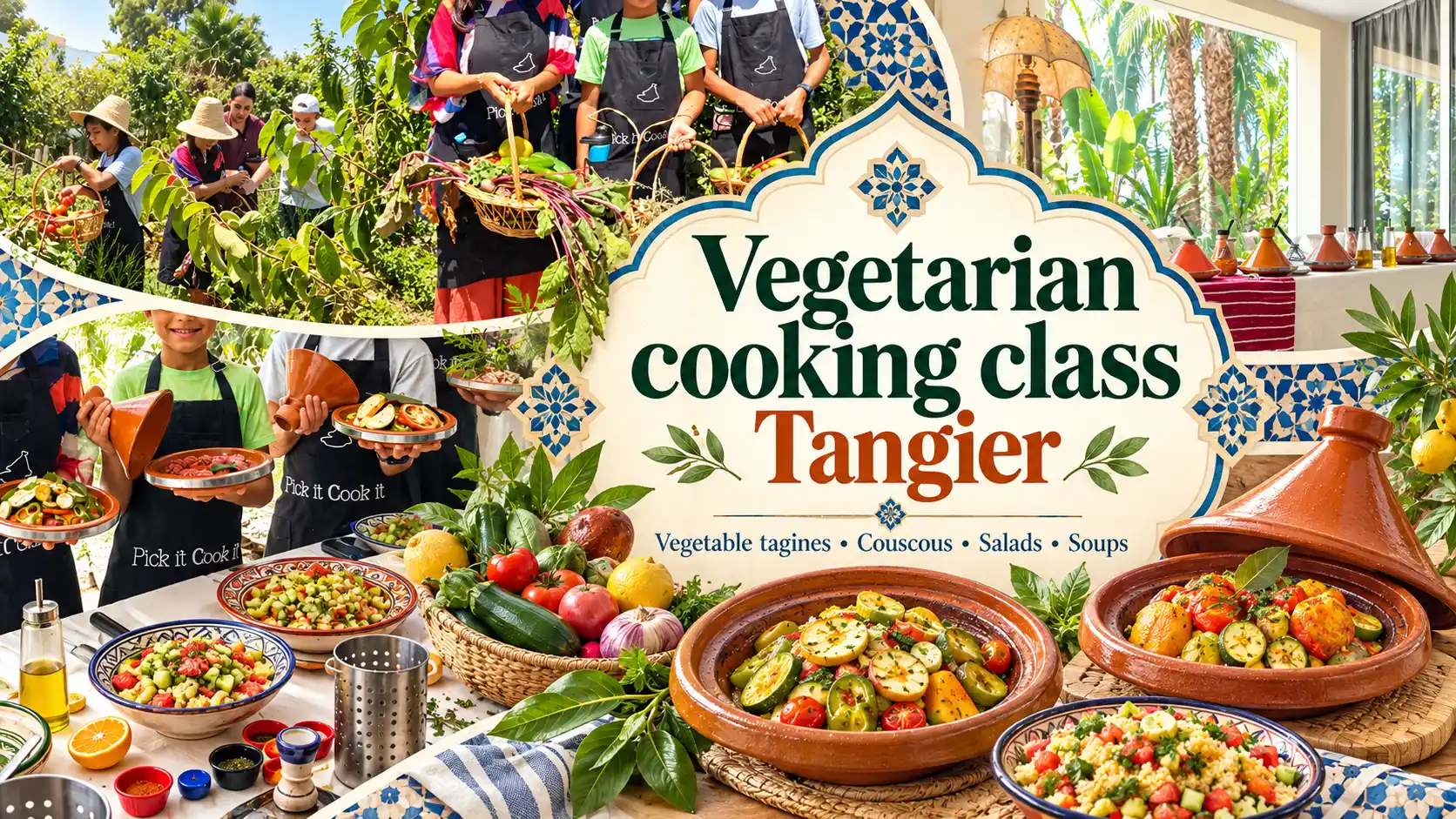
Authentic Moroccan cooking classes in Tangier introduce participants to classic dishes that represent the culinary heritage of the region. Tagine is the most iconic, characterized by the use of a conical clay pot that allows food to slow-cook and develop tender textures and rich flavors.
Couscous, another staple, consists of tiny steamed semolina grains often served with a rich vegetable and meat stew. It was formally recognized by UNESCO as Intangible Cultural Heritage in 2020, reflecting its cultural importance.
Other dishes encountered in classes include harira, a spiced tomato and lentil soup; msemen, a layered flatbread; khobz, traditional Moroccan bread; and bastilla, a savory-sweet pastry that often includes pigeon meat, almonds, and cinnamon. Each dish highlights the balance of spices and local ingredients.
Cooking classes teach not only recipes but also the context behind the meals – when they are traditionally served, such as harira during Ramadan, or the role of preserved lemon and chermoula marinades. These lessons create a deeper understanding of Moroccan food culture and traditions beyond mere cooking techniques.
Frequently Asked Questions
What can I expect to learn in an authentic Moroccan cooking class in Tangier?
You can expect to learn how to prepare traditional northern Moroccan dishes using family recipes, master spice blending such as ras el hanout, and cook slow-cooked tagines from scratch using fresh, local ingredients.
How long does a typical Moroccan cooking class last in Tangier?
Most classes last approximately 2.5 to 3 hours, including time for ingredient harvesting, cooking, and enjoying the meal. Some experiences may include transport from nearby cruise ports.
Are cooking classes in Tangier set on farms or organic gardens?
Some classes take place on organic garden estates, allowing participants to harvest ingredients directly. This farm-to-table approach enriches the culinary experience by connecting food to the source.