Estimated reading time: 6 minutes.
- Learn about the essential ingredients of chermoula.
- Discover the differences between green and red chermoula.
- Understand the uses of chermoula in Moroccan cuisine.
- Explore the culinary culture of Tangier.
Table of Contents
- What is Chermoula and Its Role in Moroccan Coastal Cooking?
- Key Ingredients of a Classic Chermoula Sauce Moroccan Recipe
- Green Chermoula vs. Red Chermoula: What’s the Difference?
- How to Make Chermoula: Blending vs. Chopping
- Uses of Chermoula in Moroccan Cuisine
- Chermoula in Tangier Coastal vs. Inland Moroccan Variations
- How Long Does Chermoula Keep?
- Chermoula Sauce Moroccan Recipe Framework
- Things to Do in Tangier for Food Lovers
- Conclusion: Chermoula’s Lasting Appeal in Tangier and Beyond
What is Chermoula and Its Role in Moroccan Coastal Cooking?
Chermoula is a traditional Moroccan marinade and sauce made primarily from fresh herbs, citrus, spices, and olive oil. It plays a crucial role in the preparation of seafood, fish, vegetables, and sometimes meats. In the city of Tangier, located in northern Morocco, chermoula highlights the Mediterranean and Andalusian culinary influences which characterize the local cuisine. These coastal flavors tend to be lighter and fresher than the heavier, more robust spices used inland.
In Tangier coastal cuisine, chermoula is often associated with seafood dishes like fish tagines, grilling, and even as a dipping sauce. It brightens the natural taste of seafood by infusing it with herbal freshness and citrus tang.
Key Ingredients of a Classic Chermoula Sauce Moroccan Recipe
While regional variations exist, the essential ingredients typically include:
- Fresh coriander (cilantro) – abundantly grown in the Mnar organic garden in Tangier’s region, delivering bright herbal notes.
- Flat-leaf parsley – adds freshness and depth to the herb mix.
- Garlic – gives pungency and aromatic strength.
- Cumin – warm and earthy, a signature Moroccan spice.
- Paprika – for sweetness and subtle heat.
- Preserved lemon – a uniquely Moroccan ingredient, adding salty, aromatic citrus flavor.
- Olive oil – to blend all flavors and create the sauce’s texture.
- Salt – balances and enhances the profile.
Each element is indispensable, contributing layers of flavor rooted deeply in the culture of northern Moroccan kitchens.
Green Chermoula vs. Red Chermoula: What’s the Difference?
Chermoula appears mainly in two versions: green and red.
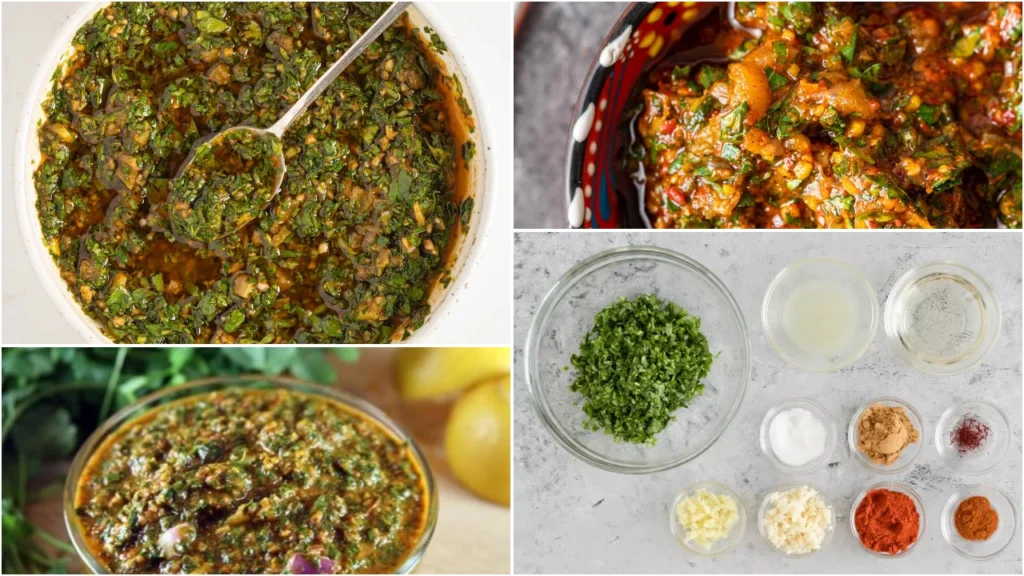
- Green Chermoula features fresh herbs like coriander and parsley blended with garlic, cumin, lemon, and olive oil. It’s bright, herbal, and tangy—perfect for white fish or as a fresh dipping sauce. This is the type most common around Tangier and its coastal region.
- Red Chermoula includes red chili peppers or smoked paprika in higher quantities. It has a more robust, smoky, and spicy character. This variant is more typical in southern or inland Moroccan regions where bolder flavors are preferred.
Both versions have their culinary uses, but the green chermoula better reflects northern Morocco’s lighter, Mediterranean-influenced palate.
How to Make Chermoula: Blending vs. Chopping
The traditional technique for making chermoula involves two main methods depending on the desired texture and freshness of the sauce:
- Blending: Using a food processor or mortar and pestle to puree all ingredients into a smooth, emulsified sauce. This method creates a more consistent, spreadable texture ideal for marinading seafood thoroughly.
- Chopping: Finely chopping the herbs and spices by hand preserves texture and adds rustic freshness. This method is preferred for dipping sauces or light vegetable seasoning.
In northern Morocco, particularly at culinary experiences like Pick It Cook It in Mnar, Tangier, fresh herbs are harvested that very morning, and both methods are demonstrated depending on the dish being prepared.
Uses of Chermoula in Moroccan Cuisine
Chermoula’s versatility is part of its enduring appeal. Typical applications include:
- Fish and Seafood Marinade: The most celebrated use, especially at Tangier’s vibrant port and coastal markets. The fresh marinade tenderizes and flavors fish before grilling or tagine cooking, with the well-known seafood tagine featuring chermoula at Pick It Cook It.
- Dipping Sauce: Served alongside bread or vegetables for an herbaceous, tangy complement.
- Vegetable Seasoning: Drizzled over grilled or roasted vegetables to enhance natural sweetness.
- Couscous Broth and Grain Flavoring: Stirred into couscous or rice for an extra aromatic dimension.
Chermoula in Tangier Coastal vs. Inland Moroccan Variations
Tangier’s coastal cooking is distinct because of its proximity to the Mediterranean and Atlantic, as well as historical Andalusian influences. Here, chermoula tends toward the bright green version, emphasizing fresh herbs, preserved lemon, and moderate spices, spotlighting the natural flavor of fresh seafood—which is abundant in the Tangier port and Atlantic fishing grounds.
In contrast, inland Moroccan cooking often uses heavier, warmer, and deeper spice blends with red chermoula variants featuring more part of pungent chili or smoked paprika to complement red meats and less delicate ingredients.
By understanding this difference, travelers and food enthusiasts can better appreciate chermoula as a cultural and culinary expression unique to Tangier and northern Morocco.
How Long Does Chermoula Keep?
Chermoula sauce is best used fresh to take advantage of its vibrant herbs and citrus. However, when refrigerated in an airtight container, it can keep for up to 3 to 5 days. The olive oil layer on top helps preserve freshness, and stirring before use restores texture. It’s not recommended to keep chermoula long-term as the herbs will lose their brightness and flavor.
Chermoula Sauce Moroccan Recipe Framework
Here’s a simple framework to make classic green chermoula at home inspired by northern Moroccan traditions:
Ingredients:
- 1 cup fresh coriander (packed)
- 1 cup fresh flat-leaf parsley (packed)
- 4 garlic cloves
- 1 tsp ground cumin
- 1 tsp sweet paprika
- 2 tbsp preserved lemon, finely chopped
- 4 tbsp extra virgin olive oil
- Salt to taste
- Optional: 1 small chili for mild heat (adjust to preference)
- 1 tbsp fresh lemon juice (optional, for extra acidity)
Method:
- Rinse and roughly chop all herbs.
- In a mortar and pestle or food processor, combine garlic, cumin, paprika, salt, and chili if used. Grind or blend until a paste forms.
- Add the herbs and preserved lemon, continuing to blend or chop to desired texture.
- Slowly drizzle in olive oil while blending until fully emulsified. Add fresh lemon juice if using.
- Taste and adjust seasoning.
Use immediately as a marinade or sauce.
Things to Do in Tangier for Food Lovers
When in Tangier, experiencing the rich seafood culture paired with world-class chermoula-based dishes is a must. Visit the Grand Socco and Tangier port to savor fresh fish or stroll the medina for preserved lemon and fresh herb markets. For hands-on culinary travelers, participating in farm-to-table cooking classes in the Mnar region unlocks deep insights into local ingredients and techniques.
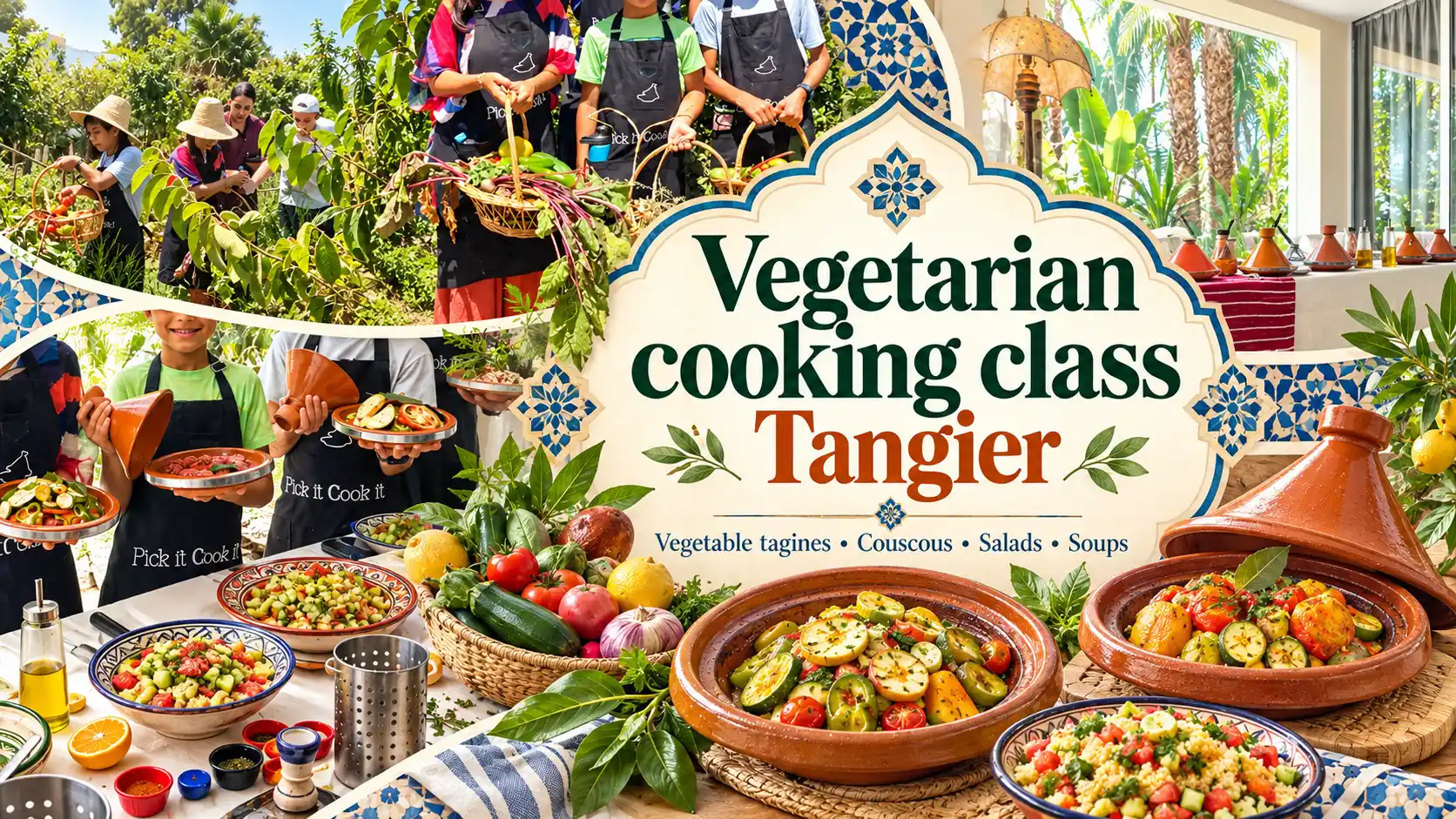
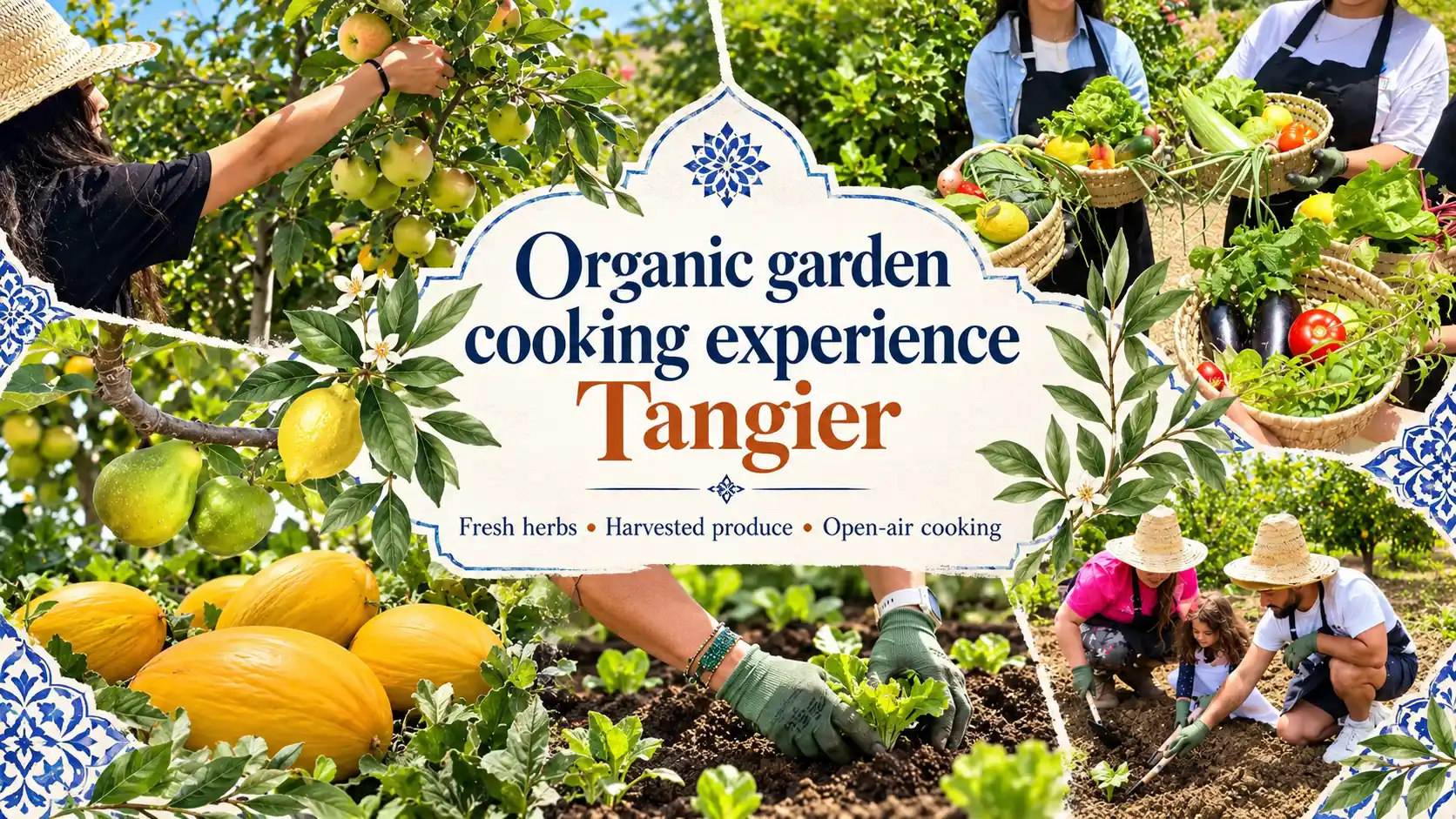
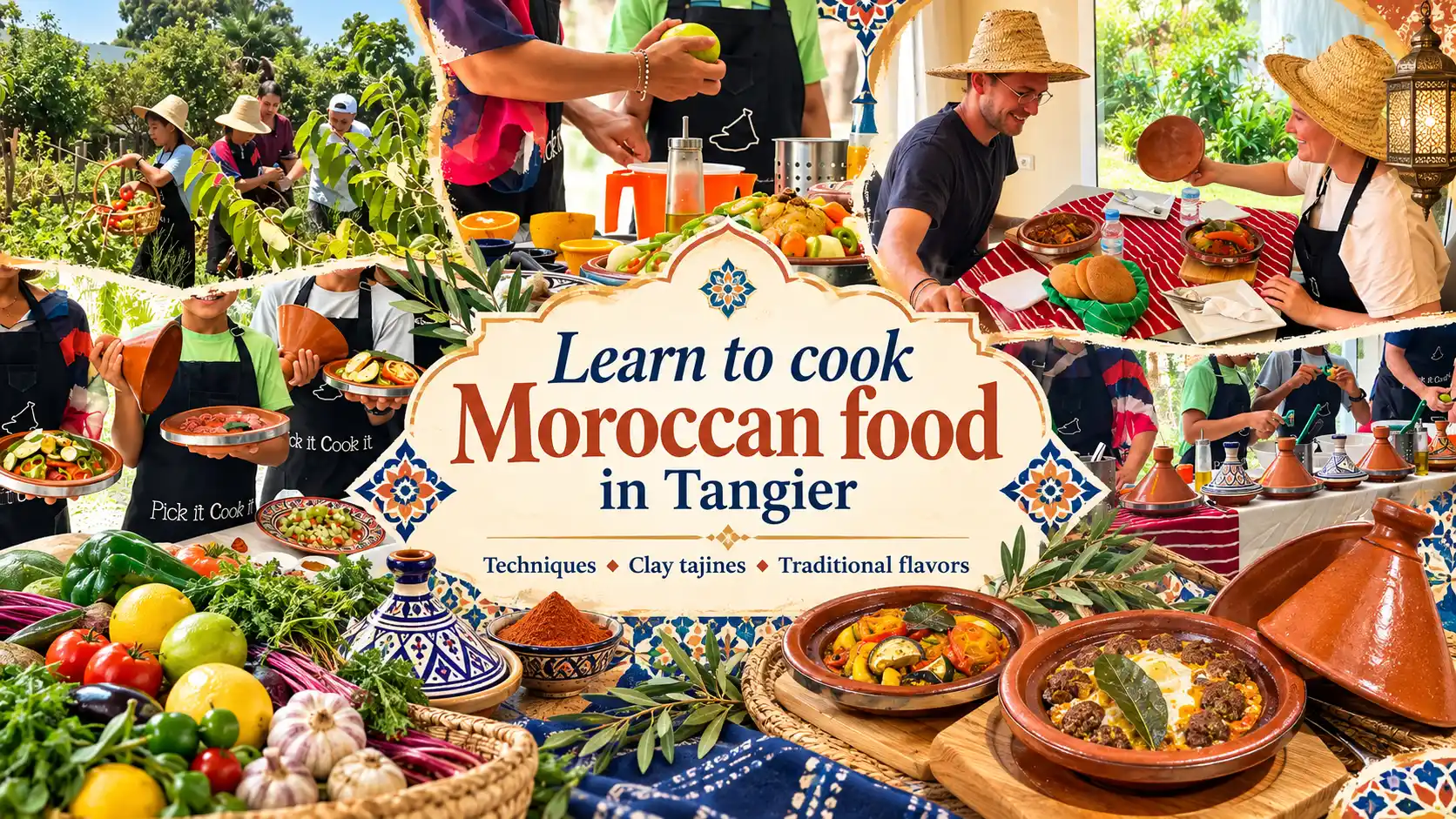
Tangier’s first immersive farm-to-table culinary experience, set in a 6000m² organic garden in the Mnar region, provides a unique opportunity to learn chermoula sauce Moroccan recipe firsthand. At Pick It Cook It, guests harvest fresh coriander and parsley in the morning, then create iconic dishes such as seafood tagine with chermoula in a panoramic glass kitchen featuring a wood-fired oven. This adds authentic context and learning for those who want to dive deeper into Moroccan coastal cooking. Explore their offerings through a Moroccan cooking class in Tangier for an authentic, educational experience.
Conclusion: Chermoula’s Lasting Appeal in Tangier and Beyond
Chermoula sauce is more than a marinade; it’s a cultural touchstone linking northern Morocco’s coastal abundance with centuries of culinary tradition. Its unique blend of fresh herbs, preserved lemons, and warming spices captures the spirit of Tangier’s Mediterranean influence. Whether used as a marinade for freshly caught fish at Tangier port or as a complement to couscous in the medina, mastering the chermoula sauce Moroccan recipe offers travelers and food lovers an invaluable gateway into Morocco’s layered food heritage.
Frequently Asked Questions
Q1. What types of fish are best for chermoula marinade? Most white fish like sea bass, sole, or local Atlantic catches work well. Chermoula’s acidity and herbs tenderize and flavor these delicate fish perfectly.
Q2. Can chermoula be made without preserved lemon? Yes, though preserved lemon adds a distinctive aroma and saltiness that’s hard to replicate. Fresh lemon juice or zest can be used as substitutes but results differ slightly.
Q3. Is chermoula always served as a marinade? No, it is also popular as a dipping sauce, vegetable dressing, and flavoring for couscous or grains.
Q4. Are there vegan or vegetarian uses for chermoula? Absolutely. Chermoula brightens grilled vegetables, chickpeas, and roasted potatoes, making it a versatile herb sauce for plant-based dishes.
Q5. What makes Tangier’s chermoula different from other regions? Its green, fresh herb base with preserved lemon highlights the Mediterranean and Andalusian influence over heavier inland Moroccan spice blends. It pairs naturally with Tangier’s abundant seafood.
For travelers eager to connect with the vibrant food culture of Tangier and discover the art of chermoula sauce Moroccan recipe, booking a class at Pick It Cook It in the Mnar region provides an unmatched, immersive experience. Contact via WhatsApp +212 662 735 863 or visit their cooking class page for details.