Estimated reading time: 7 minutes.
- UNESCO recognition of couscous as an Intangible Cultural Heritage.
- Understanding the cultural significance and traditional preparation of couscous.
- The social role of couscous in family and community life across North Africa.
- Experiencing couscous heritage in Tangier, Morocco.
Table of Contents
- What Does the UNESCO Couscous Heritage Morocco Inscription Mean?
- Understanding Intangible Cultural Heritage
- The Specific Reasons Behind the UNESCO Inscription
- The Social and Cultural Role of Couscous Across North Africa
- Traditional Techniques for Preparing Couscous
- Experiencing the UNESCO Couscous Heritage in Tangier, Morocco
- FAQs About UNESCO Couscous Heritage
What Does the UNESCO Couscous Heritage Morocco Inscription Mean?
On December 16, 2020, during the 15th session of the Intergovernmental Committee for the Safeguarding of the Intangible Cultural Heritage, couscous was officially inscribed on UNESCO’s Representative List of the Intangible Cultural Heritage of Humanity by decision 15.COM. This landmark decision was the result of a joint nomination submitted by five North African countries: Morocco, Algeria, Tunisia, Mauritania, and Libya. The inscription highlights the shared cultural heritage that couscous embodies across the region.
Understanding Intangible Cultural Heritage
Intangible Cultural Heritage refers to traditions, practices, knowledge, and skills that communities recognize as part of their cultural identity. Unlike tangible heritage such as monuments or artifacts, intangible heritage emphasizes living expressions passed down through generations, fostering community cohesion and continuity. UNESCO’s recognition aims to protect and promote these traditions amid rapid globalization and modernization, ensuring their sustainability for future generations.
The inscription of couscous highlights not just a food item, but the communal knowledge, social practices, and culinary craftsmanship involved in its preparation and consumption. This designation matters because it elevates couscous beyond a simple dish to a cultural symbol, reinforcing its role in social and economic life in North Africa.
The Specific Reasons Behind the UNESCO Inscription
The UNESCO couscous heritage Morocco inscription acknowledges the “knowledge, know-how and practices pertaining to the production and consumption of couscous.” This includes:
- Traditional Hand-Rolled Preparation: The craft of shaping tiny semolina granules by hand, a skill passed down through families.
- The Use of the Double Couscoussier Steaming Method: A two-tiered pot system where couscous is steamed over a simmering stew, allowing for distinctive texture and flavor.
- The Communal Act of Sharing Couscous: Couscous often serves as the centerpiece of family dinners, particularly the Friday ritual meal symbolizing unity and hospitality.
- Cultural Rituals and Celebrations: Couscous features prominently during festive occasions such as weddings, religious holidays, and communal gatherings.
The nomination emphasizes how couscous functions as a social glue, reinforcing bonds among family members and communities across northern Morocco and neighboring countries.
The Social and Cultural Role of Couscous Across North Africa
Couscous serves as more than nourishment: it is a cultural practice with distinct social roles. In northern Morocco and the wider Maghreb region, couscous holds a revered place in daily life and special events.
Friday Family Ritual
The weekly preparation and consumption of couscous on Fridays is a cherished tradition. Families gather to cook the dish together, often spending hours in the kitchen preparing the semolina and simmering vegetable or meat stews. This ritual is a moment to strengthen family ties and honor longstanding culinary customs that have endured for centuries.
Symbol of Hospitality and Celebration
Serving couscous to guests is a sign of generosity and respect across Moroccan homes. It is commonly presented during weddings, religious festivals like Eid, and community celebrations. Offering couscous signifies a warm welcome and communal solidarity.
Regional Variations in Couscous
While the basic components are consistent across North Africa, regional differences abound:
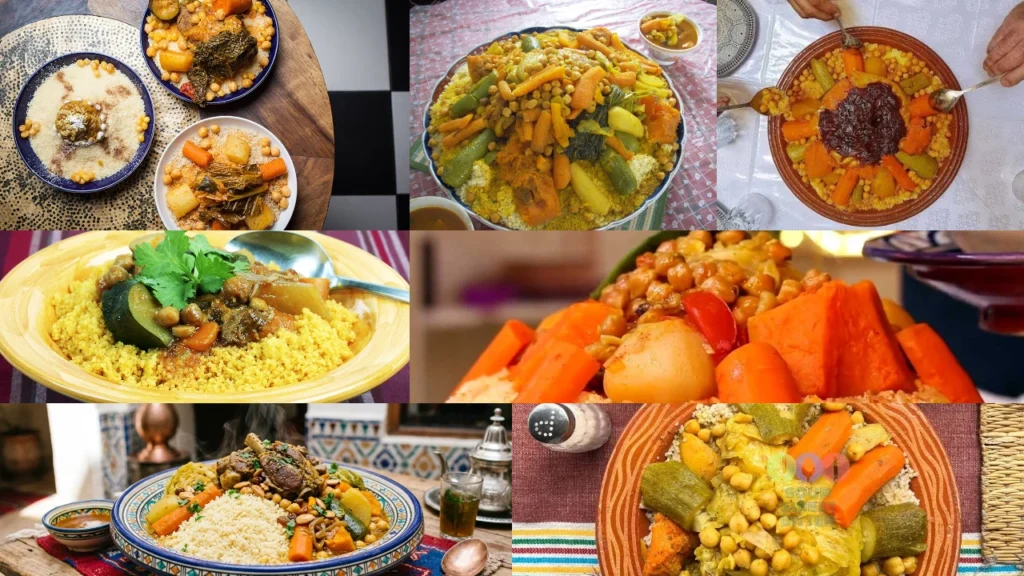
- Moroccan Couscous: Often accompanies a rich stew of lamb or chicken with vegetables such as carrots, zucchini, and chickpeas, flavored with saffron, cumin, and preserved lemon.
- Tunisian Couscous: Usually spicier, incorporating harissa chili paste and sometimes seafood or fish.
- Algerian Couscous: Features a variety of meats (lamb, chicken, or merguez sausage) and can include a tomato-based sauce.
- Mauritanian and Libyan Variants: Include their own spices and accompaniments, often reflecting desert and coastal influences.
These variations illustrate couscous’s adaptability and its embeddedness in local customs.
Traditional Techniques for Preparing Couscous
The UNESCO inscription highlights the importance of preserving traditional couscous-making methods that embody centuries of culinary heritage. The two defining techniques are the hand-rolling of the semolina and the double steaming process using a couscoussier.
Hand-Rolling Semolina
The process begins by sprinkling water over durum wheat semolina and rolling it gently between the hands to form small granules. This labor-intensive craft requires expertise to achieve the right texture—fluffy yet firm. The couscous grains are then dried, sifted, and sprinkled again before cooking.
Double Couscoussier Steaming
The couscoussier, a specialized double-chambered pot, is central to couscous preparation. The lower pot holds a simmering stew or water, while the upper perforated section holds the couscous. Steam circulates to cook the grains evenly without boiling, which preserves texture and enhances flavor absorption. The couscous is steamed multiple times, with careful fluffing in between to avoid clumping.
This traditional method continues to be practiced in homes and culinary workshops throughout northern Morocco and the Maghreb region.
Experiencing the UNESCO Couscous Heritage in Tangier, Morocco
Tangier, located in northern Morocco, serves as a vibrant cultural crossroads offering deep culinary experiences reflecting these cherished couscous traditions. Visiting the city’s historic medina or the bustling Grand Socco market reveals opportunities to taste authentic couscous dishes prepared using ancestral methods. Nearby, Cap Spartel’s coastal influence also infuses local cuisine with fresh flavors.
For travelers interested in hands-on immersion, Tangier’s innovative farm-to-table experiences offer unique opportunities to engage with the UNESCO couscous heritage Morocco in an authentic setting.
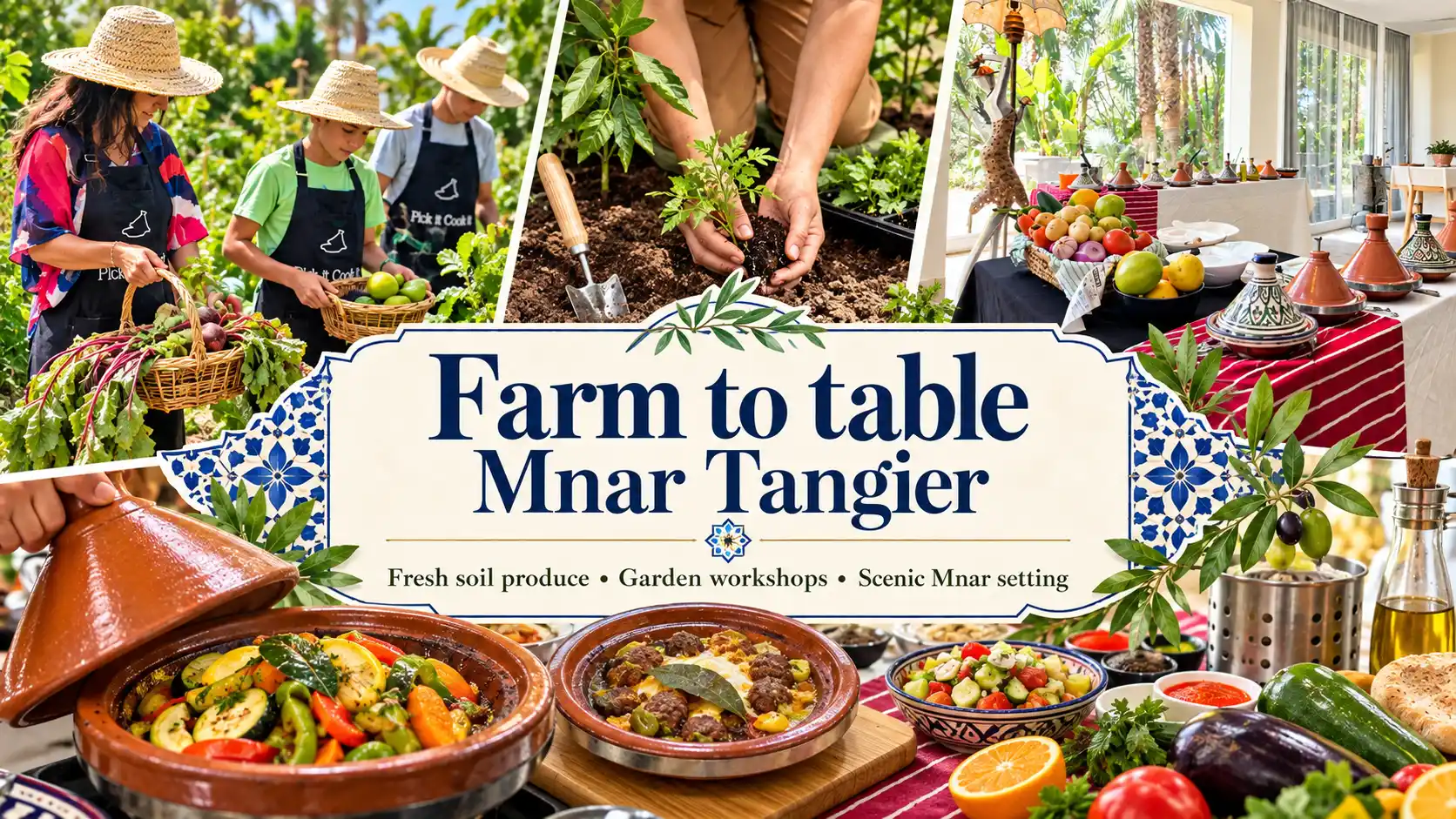
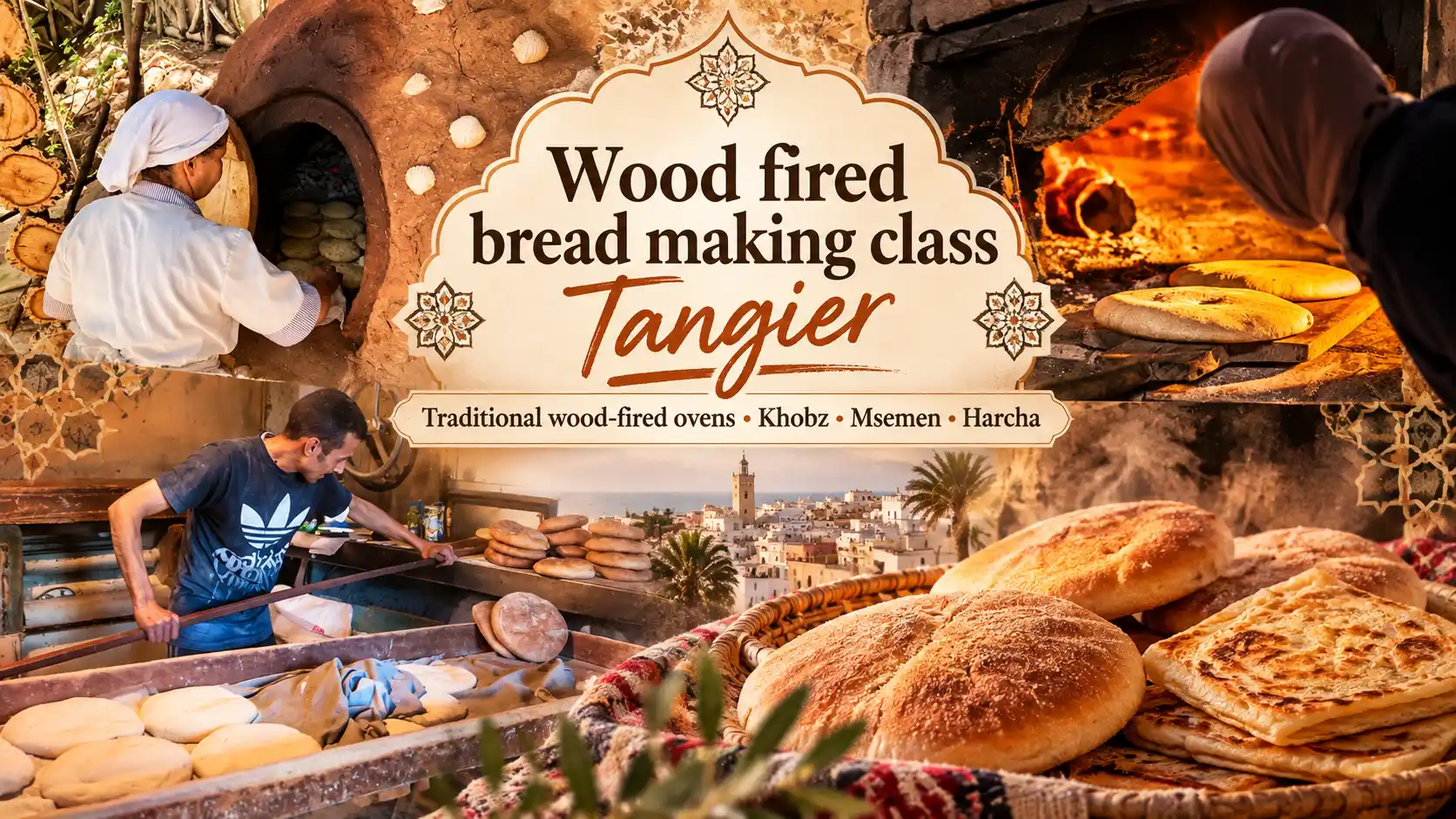
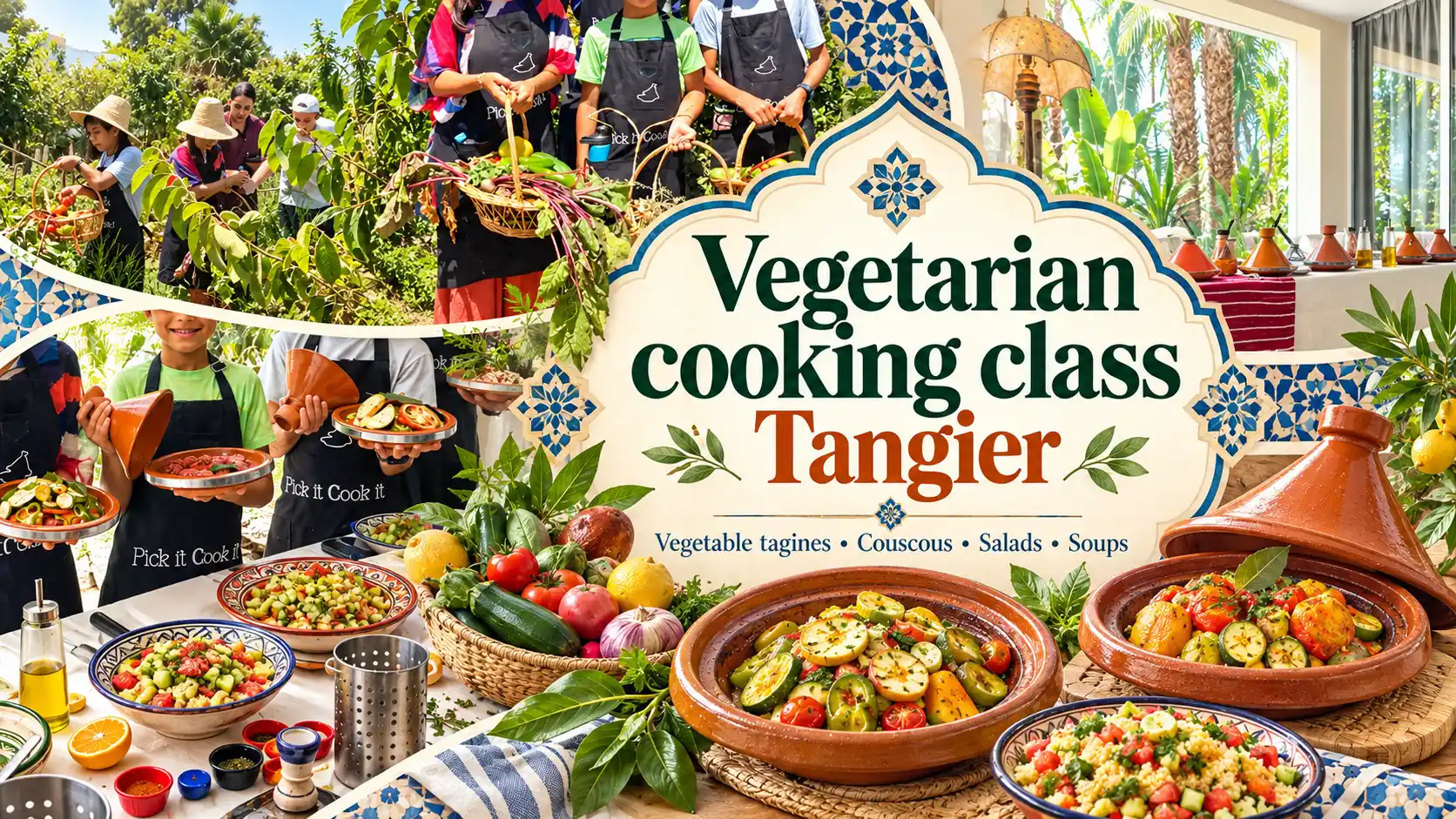
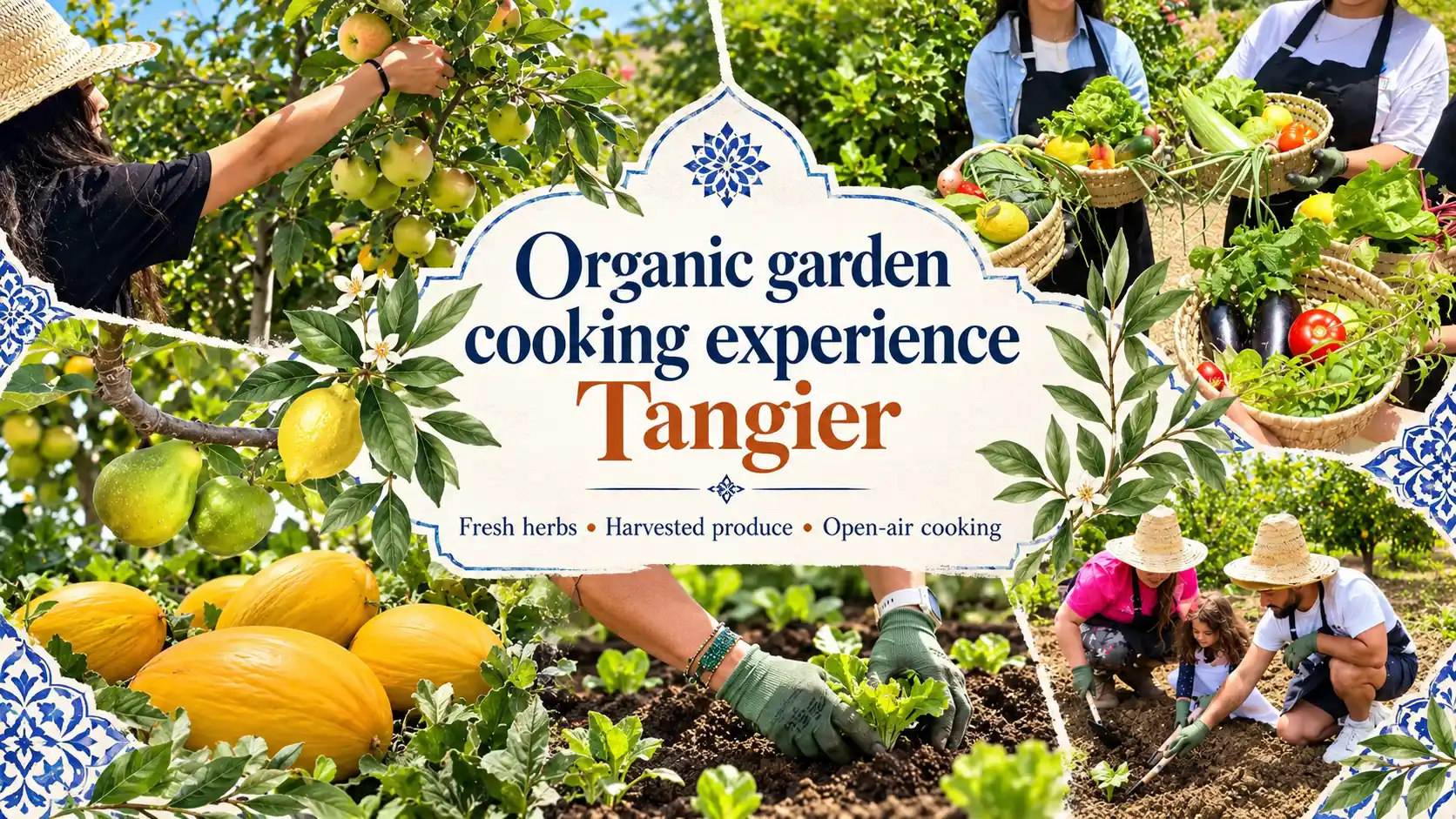
Tangier’s first immersive farm-to-table culinary experience, set in a 6000m² organic garden in the Mnar region, enables visitors to connect directly with the ingredients and traditional Moroccan cooking methods, including couscous preparation. Guests can learn the hand-rolling technique and discover the ritual of double steaming, all within a panoramic glass kitchen featuring a wood-fired oven. Exploring this farm-to-table experience in Tangier offers a profound appreciation of couscous, its cultural significance, and its preparation rooted in tradition.
For more information on Moroccan culinary experiences in Tangier, consider joining one of the intimate Moroccan cooking classes in Tangier offered by Pick It Cook It.
FAQs About UNESCO Couscous Heritage
Q1: When was couscous inscribed on the UNESCO Intangible Cultural Heritage list?
A1: Couscous was inscribed on December 16, 2020, during the 15th session of the Intergovernmental Committee, decision 15.COM.
Q2: Which countries jointly nominated couscous for UNESCO inscription?
A2: Morocco, Algeria, Tunisia, Mauritania, and Libya jointly nominated couscous.
Q3: What does the UNESCO designation of couscous mean?
A3: It recognizes couscous as part of the intangible cultural heritage, emphasizing the traditional knowledge, preparation techniques, and social practices surrounding its consumption.
Q4: What are the key traditional methods for making couscous?
A4: The hand-rolling of semolina granules and the double steaming technique using a couscoussier are the central traditional methods.
Q5: Why is couscous culturally important in northern Morocco?
A5: Couscous symbolizes hospitality, family unity through the Friday ritual, and is an integral part of celebrations and communal life.
Couscous remains a vibrant expression of North African cultural identity and communal spirit. Its UNESCO inscription preserves not only a culinary art form but also a set of social customs and rituals that enrich the cultural heritage of northern Morocco and its neighbors. Travelers eager to fully appreciate this intangible heritage will find Tangier, and especially immersive experiences like those in the Mnar organic garden, an ideal gateway to experiencing authentic Moroccan couscous culture firsthand.
Booking for a hands-on culinary experience in Tangier is available via WhatsApp +212 662 735 863, or through Pick It Cook It’s dedicated cooking classes at: