Reading time: 7 minutes
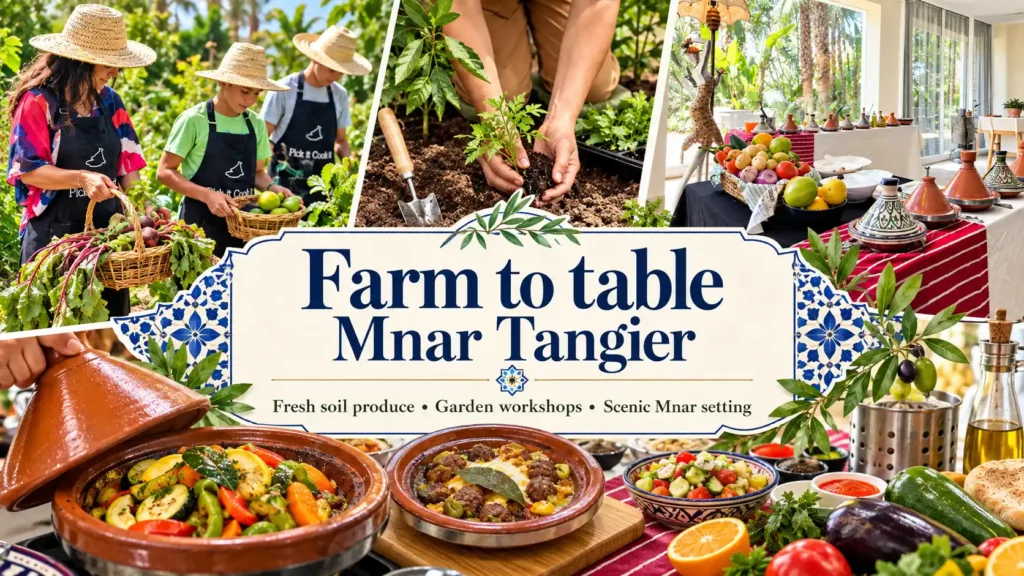
Quick answer: Farm to table Mnar Tangier refers to culinary workshops held in the Mnar area of Tangier that allow guests to prepare meals using ingredients harvested directly from local organic gardens. These experiences emphasize fresh, seasonal produce grown in Mnar’s distinctive microclimates, showcasing northern Morocco’s coastal flavors and panoramic views over the Mediterranean.
Key Takeaways
- Farm to table workshops offer hands-on culinary experiences using fresh, local ingredients.
- Workshops often take place in panoramic kitchens with breathtaking views of the Mediterranean.
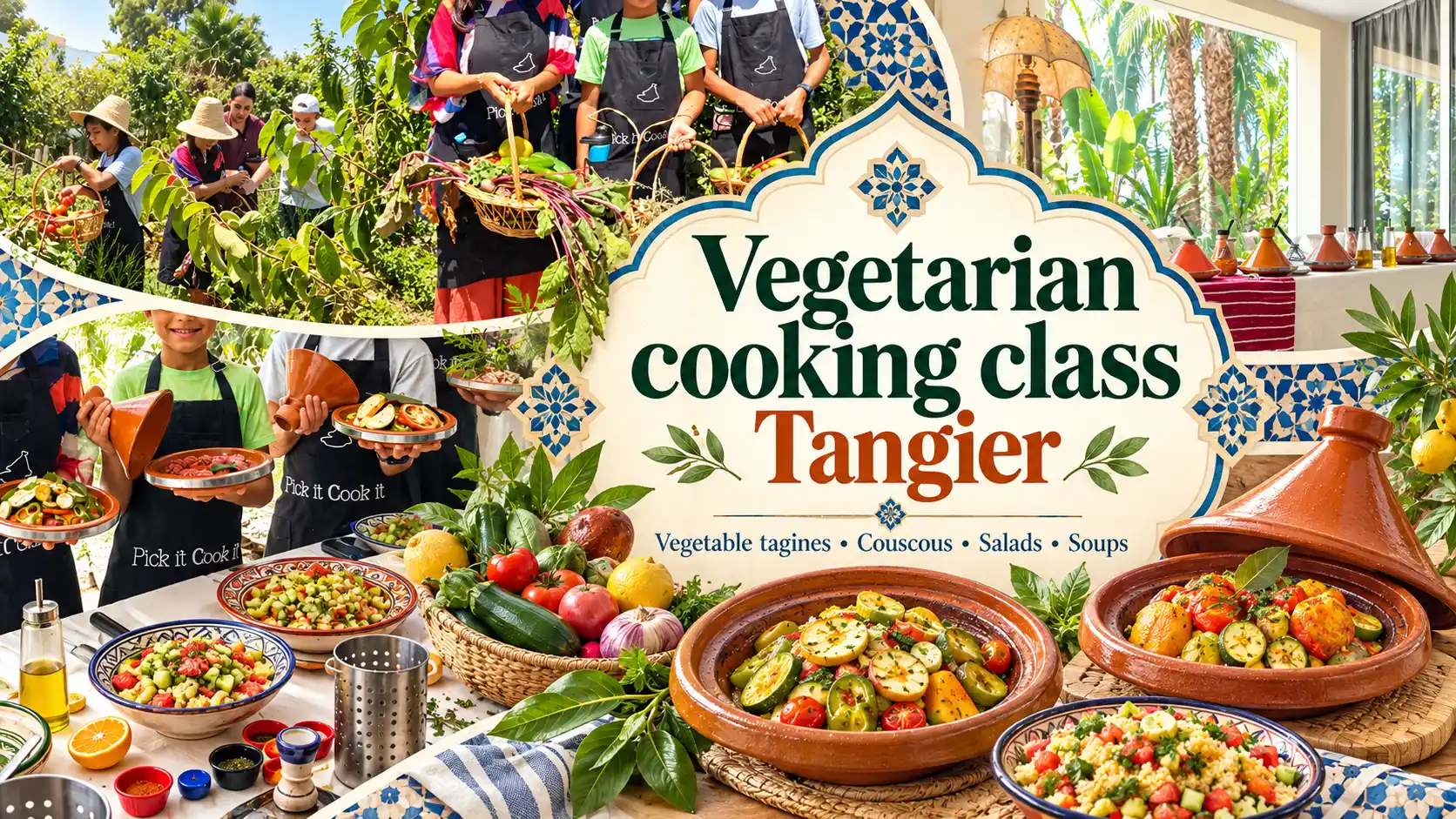
- Guests can expect to learn traditional Moroccan dishes like tagine and couscous while harvesting ingredients themselves.
Table of Contents
- What Makes Farm to Table Workshops Unique in Mnar, Tangier
- How Farm to Table Mnar Tangier Enhances the Culinary Experience
- Pick it Cook it in Mnar — A Real-World Farm to Table Experience
- Traditional Moroccan Dishes Showcased in Farm to Table Workshops in Mnar
- Practical Tips for Joining Farm to Table Workshops in Mnar, Tangier
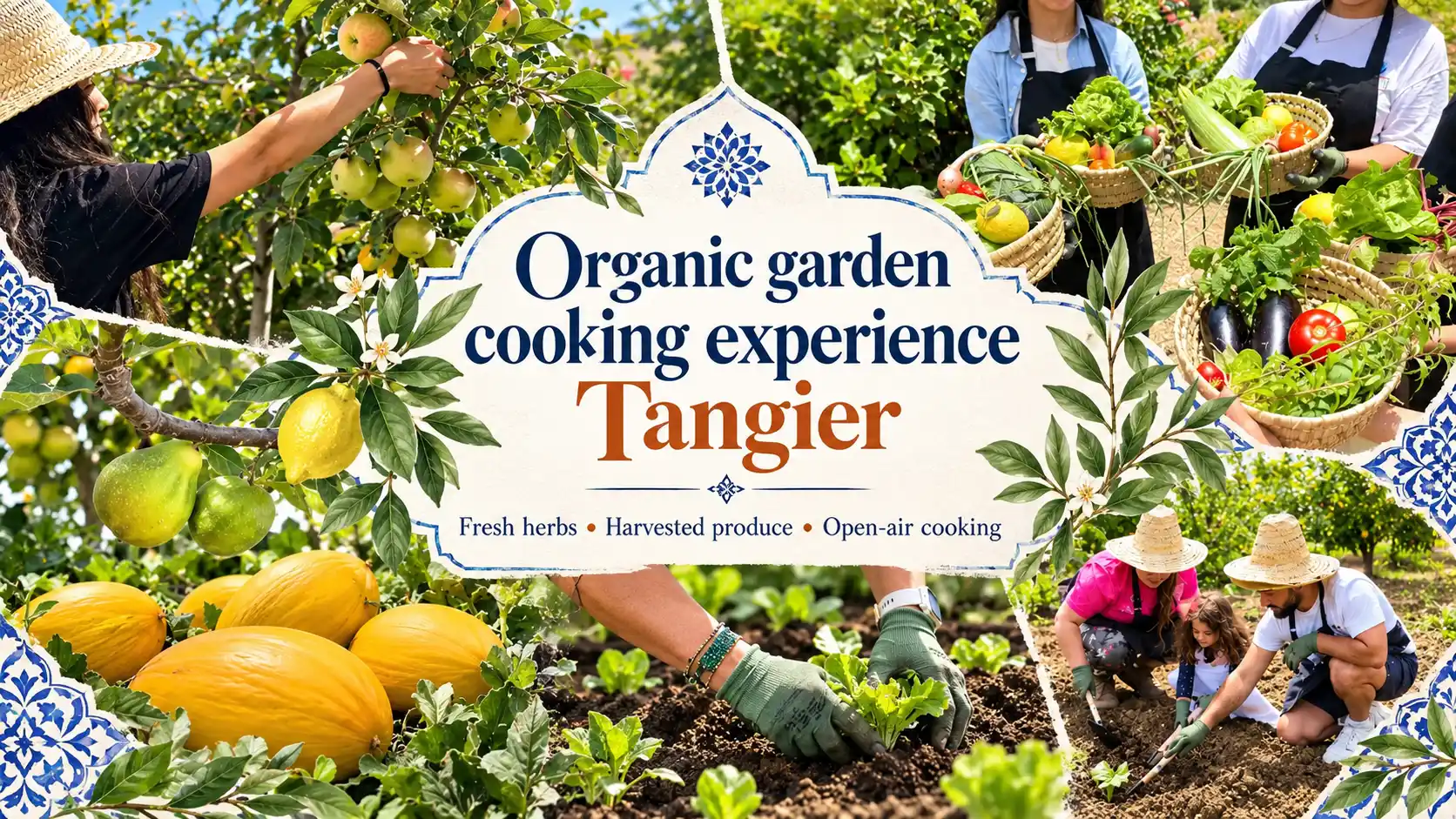
Farm to table workshops in Mnar, Tangier stand out due to the region’s ideal microclimates and the direct use of freshly harvested ingredients. Mnar’s location near the Mediterranean coast creates varied conditions such as moderate humidity and balanced temperatures, perfect for growing aromatic herbs like mint and rosemary, fruit trees including oranges and lemons, and a wide range of organic vegetables. The combination of fertile soil and a coastal breeze ensures produce rich in flavor and nutrients.
These gardens cover extensive areas, some estates reaching 6,000 m², blending traditional Moroccan farming methods with organic practices. Participants regularly harvest ingredients moments before cooking, which enhances the taste and authenticity of dishes such as chermoula-marinated fish or vegetable tagine. Mnar’s farm to table workshops provide a sensory connection to the soil that typical cooking classes lack, allowing guests to witness the natural cycle of cultivation, harvest, and preparation.
Microclimatic Advantages for Diverse Produce
The microclimates in Mnar create pockets of favorable weather conditions that support year-round cultivation. For example:
- Citrus trees thrive due to mild winters and warm summers, yielding fragrant lemons, oranges, and tangerines.
- Aromatic herbs including cumin, cilantro, and ras el hanout spices’ components flourish in well-drained soils influenced by saline air.
- Organic vegetables such as tomatoes, zucchini, and eggplants benefit from consistent sunlight and humidity control.
These factors contribute to a rich variety of farm fresh crops that form the base of many Moroccan recipes.
Benefits of Using Freshly Harvested Ingredients
Cooking with produce picked directly from the garden enhances taste and nutritional value. Fresh herbs release more essential oils, citrus fruit imparts sharper zest, and vegetables maintain their crispness and color. The immediacy between harvest and preparation enables chefs to create dishes with maximum flavor intensity and textural vibrancy, elevating the farm to table dynamic beyond mere sourcing of local ingredients.
How Farm to Table Mnar Tangier Enhances the Culinary Experience
Farm to table experiences in Mnar enrich culinary education by combining ingredient sourcing, cultural learning, and immersive cooking within breathtaking settings. These workshops emphasize understanding the origins of food alongside traditional Moroccan cooking skills.
The farm-to-table approach helps guests gain a deeper appreciation for northern Moroccan cuisine, especially specialty dishes that depend heavily on fresh, local produce. For instance, chermoula paste, integral to many seafood recipes, includes finely chopped cilantro and preserved lemon picked in the morning, ensuring vibrant flavors. Couscous, an iconic Moroccan staple inscribed on UNESCO’s Intangible Cultural Heritage list in 2020, also benefits from seasonal vegetable toppings freshly gathered from the garden.
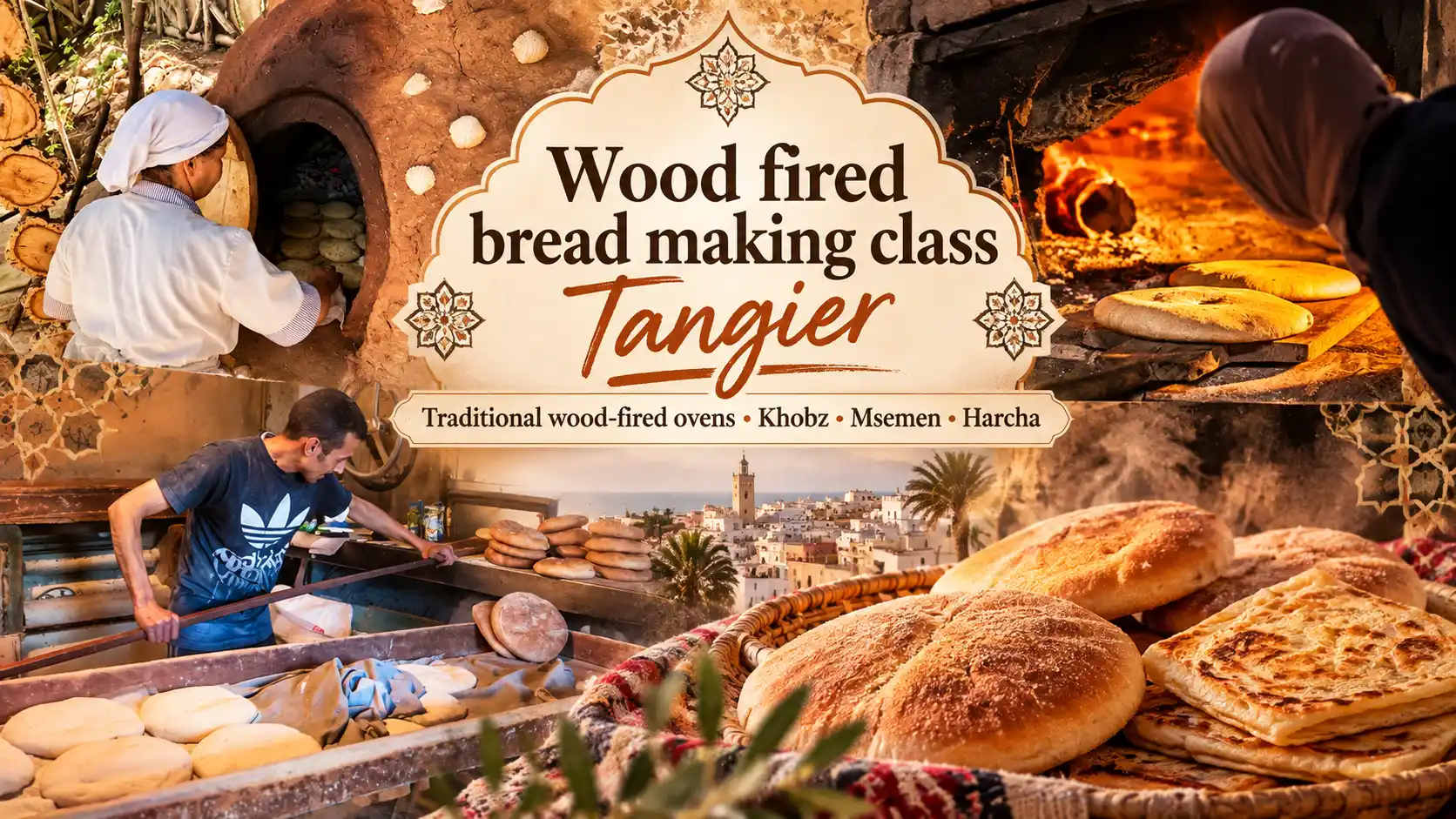
Moreover, workshops typically unfold in panoramic kitchens with glass walls that offer 360° views of the Mediterranean. This setting connects cooks and diners to the landscape and seasonal cycles, providing a multisensory learning environment. Having a wood-fired oven on-site allows traditional bread making such as khobz and msemen to be demonstrated authentically.
Participants often spend approximately 2.5 to 3 hours in classes, including harvesting, prepping, cooking, and enjoying the meal. Many farm to table experiences cater to groups from 2 up to 40 people, making them suitable for intimate culinary travelers or larger shore excursions from Tangier’s cruise terminal, with port pick-up commonly included.
Pick it Cook it in Mnar — A Real-World Farm to Table Experience
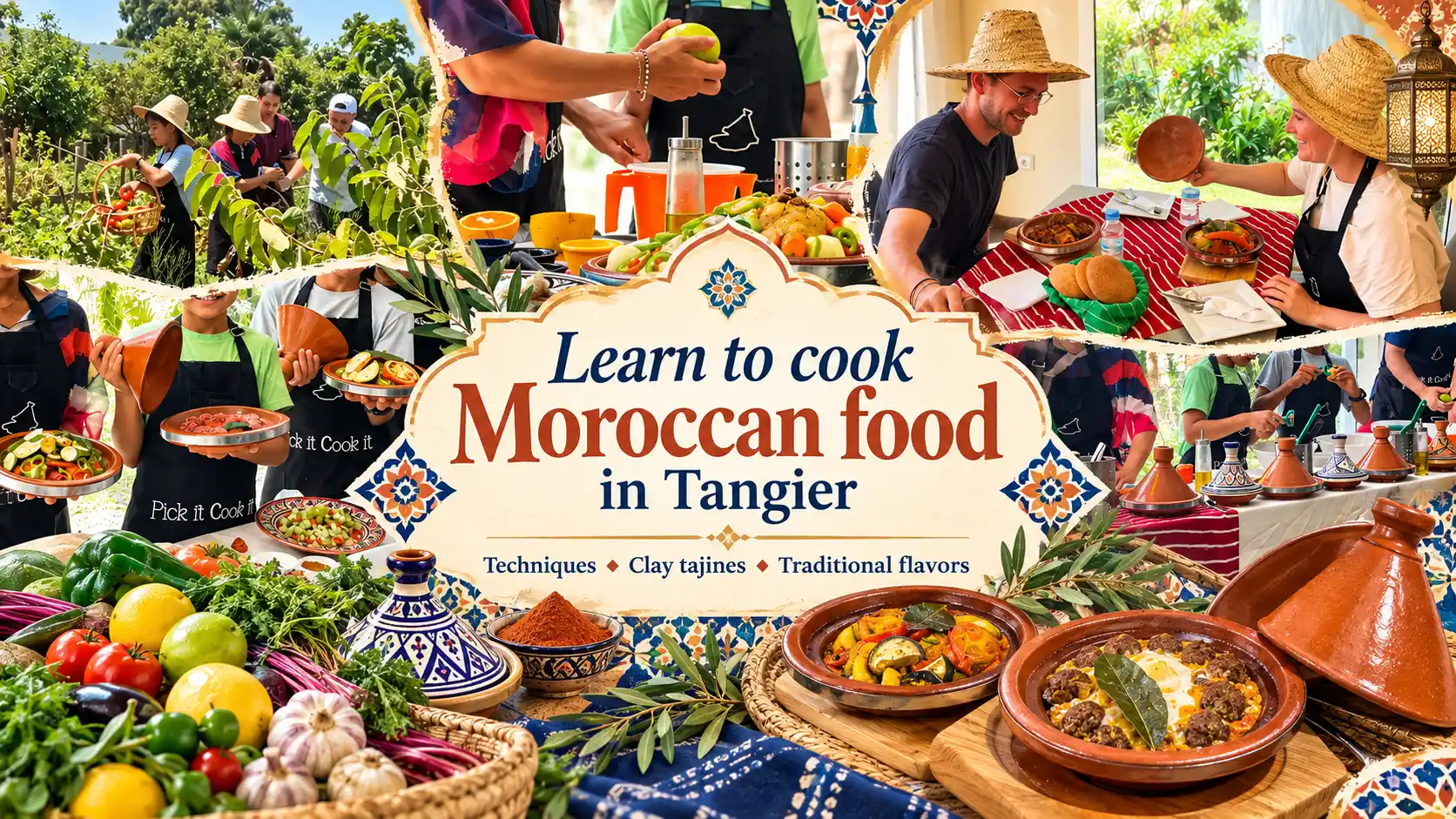
Pick it Cook it exemplifies the farm to table Mnar Tangier concept through its well-crafted cooking experiences set on a 6,000 m² organic garden estate. Located in Mnar, Tangier, the experience invites guests to pick fresh herbs, vegetables, and citrus directly from the estate’s diverse crops before preparing authentic northern Moroccan dishes in a panoramic glass kitchen overlooking the Mediterranean.
The key differentiator of Pick it Cook it is its seamless integration of farm and kitchen, allowing guests to move from selection to preparation without leaving the estate. Chefs guide visitors through recipes such as tagine flavored with ras el hanout and preserved lemon, or bastilla incorporating layers of fresh herbs. The deep connection to the land results in dishes that highlight the terroir of Mnar.
Pick it Cook it’s Cook it cooking class runs approximately 2.5 to 3 hours and includes port transfers for cruise passengers, making it a convenient shore excursion. Private groups ranging from 2 to 40 participants can book sessions starting from 50€ per person. Interested travelers can explore the full range of offerings through the Pick it Cook it full experience page or try the Plant it Taste it immersion to understand plant origins before cooking. Recipes and ingredients guides can also be accessed via their Moroccan recipe card resource.
Traditional Moroccan Dishes Showcased in Farm to Table Workshops in Mnar
Farm to table workshops in Mnar bring to life traditional Moroccan dishes prepared with freshly picked local produce, which enhances both flavor and authenticity. Participants can expect to learn and taste recipes that have been passed down through generations in northern Morocco, influenced by Mediterranean and Andalusian culinary elements.
Tagine, a slow-cooked stew made in clay pots, is a standout dish featuring seasonal vegetables or meat spiced with ras el hanout, cumin, and preserved lemon. The garden’s fresh herbs and vegetables are essential to its layered flavors. Harira, a hearty soup combining lentils, chickpeas, and tomatoes with fresh coriander, often serves as a starter in workshops. Couscous, the country’s signature grain dish with vegetable or meat toppings, benefits greatly from fresh garden produce, which is essential to its recent recognition by UNESCO.
Bread-making skills are also taught using the wood-fired oven, where participants bake khobz and msemen flatbreads, learning techniques to achieve traditional textures and taste. Bastilla, a savory pie encased in thin warqa pastry, combines spices and fresh ingredients like chicken or seafood, allowing cooks to practice layering flavors and textures.
These workshops offer a holistic culinary experience, connecting ingredient sourcing and cooking while preserving the essence of northern Moroccan food traditions.
Practical Tips for Joining Farm to Table Workshops in Mnar, Tangier
Participating in farm to table workshops in Mnar requires some preparation to make the most of the experience. Selecting the right workshop and timing can enhance both taste and learning opportunities.
• Booking in advance is advisable, especially during peak cruise seasons when many travelers seek shore excursions in Tangier.
• Choose sessions that include port transfers if arriving by cruise ship for an easy, stress-free journey to the estate.
• Dress comfortably and wear shoes suited for walking in organic gardens and possibly uneven terrain.
• Bring a camera to capture the vast Mediterranean views and colorful plantings around the kitchen estate.
• If you have dietary restrictions, communicate them before booking as most farm to table experiences can accommodate preferences.
• Expect classes to last around 2.5 to 3 hours, which balances hands-on harvesting, cooking, and dining time.
• Participants should arrive on time to enjoy the full schedule, which often begins with picking ingredients before the kitchen session.
Selecting workshops like Pick it Cook it’s Cook it cooking class offers a tested blend of organization, authenticity, and educational depth. Their online booking platforms provide clear descriptions and options for different culinary levels, group sizes, and experiences.
Frequently Asked Questions
What is farm to table Mnar Tangier cooking?
Farm to table Mnar Tangier cooking involves harvesting fresh ingredients directly from organic gardens in the Mnar area and preparing traditional Moroccan dishes on site. It focuses on using seasonal, local produce to enhance authenticity and flavor.
How long does a typical farm to table cooking class in Mnar last?
Most classes last approximately 2.5 to 3 hours, including time for harvesting ingredients, cooking traditional recipes, and enjoying the meal. Some also provide port pick-up for cruise passengers.
Can I join farm to table workshops in Mnar if I have dietary restrictions?
Yes, many workshops can accommodate dietary preferences or allergies. It is best to inform the organizers at the time of booking to ensure suitable ingredient selections and recipes.
Farm to table Mnar Tangier workshops offer an enriching, hands-on way to discover northern Morocco’s culinary heritage through fresh, organic ingredients harvested just steps from the kitchen. The combination of favorable microclimates, authentic cooking techniques, and spectacular views creates a memorable connection to Tangier’s regional food culture. Book a Cooking Class in Tangier →