Reading time: 8 minutes
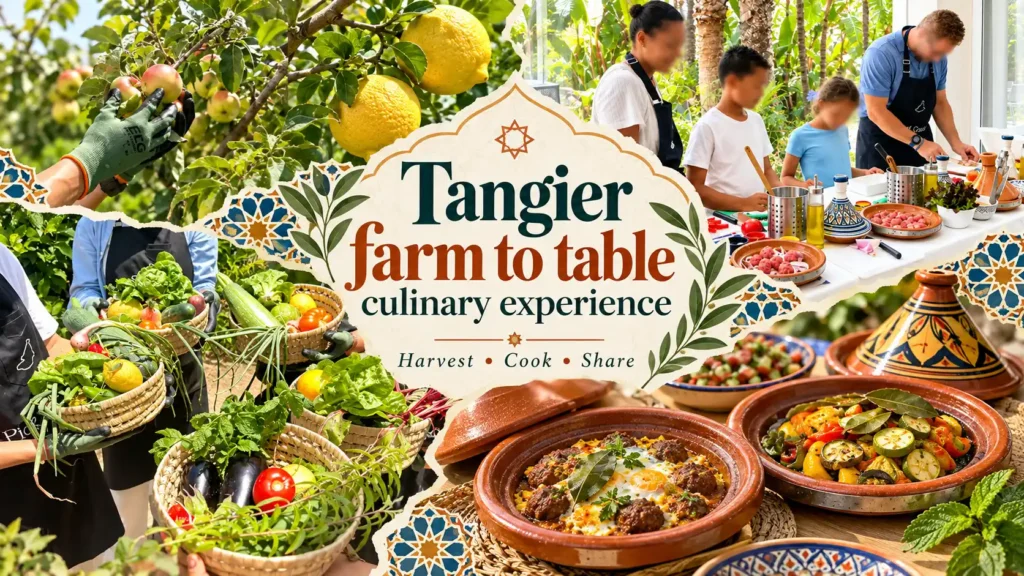
Quick answer: A Tangier farm to table culinary experience is a full-day immersion in northern Morocco that connects guests with organic farming, local ingredients, and traditional cooking techniques.
Key Takeaways
- A Tangier farm to table culinary experience involves harvesting fresh ingredients and cooking traditional dishes.
- Guests engage with sustainable farming practices and learn about local culinary traditions.
- Pick it Cook it offers a unique opportunity to combine organic farming with immersive cooking classes.
Table of Contents
- What Defines a Tangier Farm to Table Culinary Experience
- A Day’s Journey From Garden to Table in Northern Morocco
- How Farm to Table Experiences Promote Ecotourism and Cultural Preservation in Tangier
- Pick it Cook it in Mnar, Tangier: An Embodiment of Tangier’s Farm to Table Philosophy
- Essential Moroccan Dishes Featured in a Farm to Table Culinary Experience
What Defines a Tangier Farm to Table Culinary Experience
A Tangier farm to table culinary experience centers on using freshly harvested, organic ingredients from local gardens to prepare authentic Moroccan meals that reflect the region’s heritage. The concept immerses guests in each step of food production, emphasizing sustainability and cultural preservation.
Unlike ordinary tours, this approach integrates farm labor, traditional culinary techniques, and shared meals into a unified experience. The Tangier-Tétouan region’s reliance on small-scale agriculture encourages such practices, positioning the farm-to-table model as both ecological tourism and a safeguard for culinary traditions.
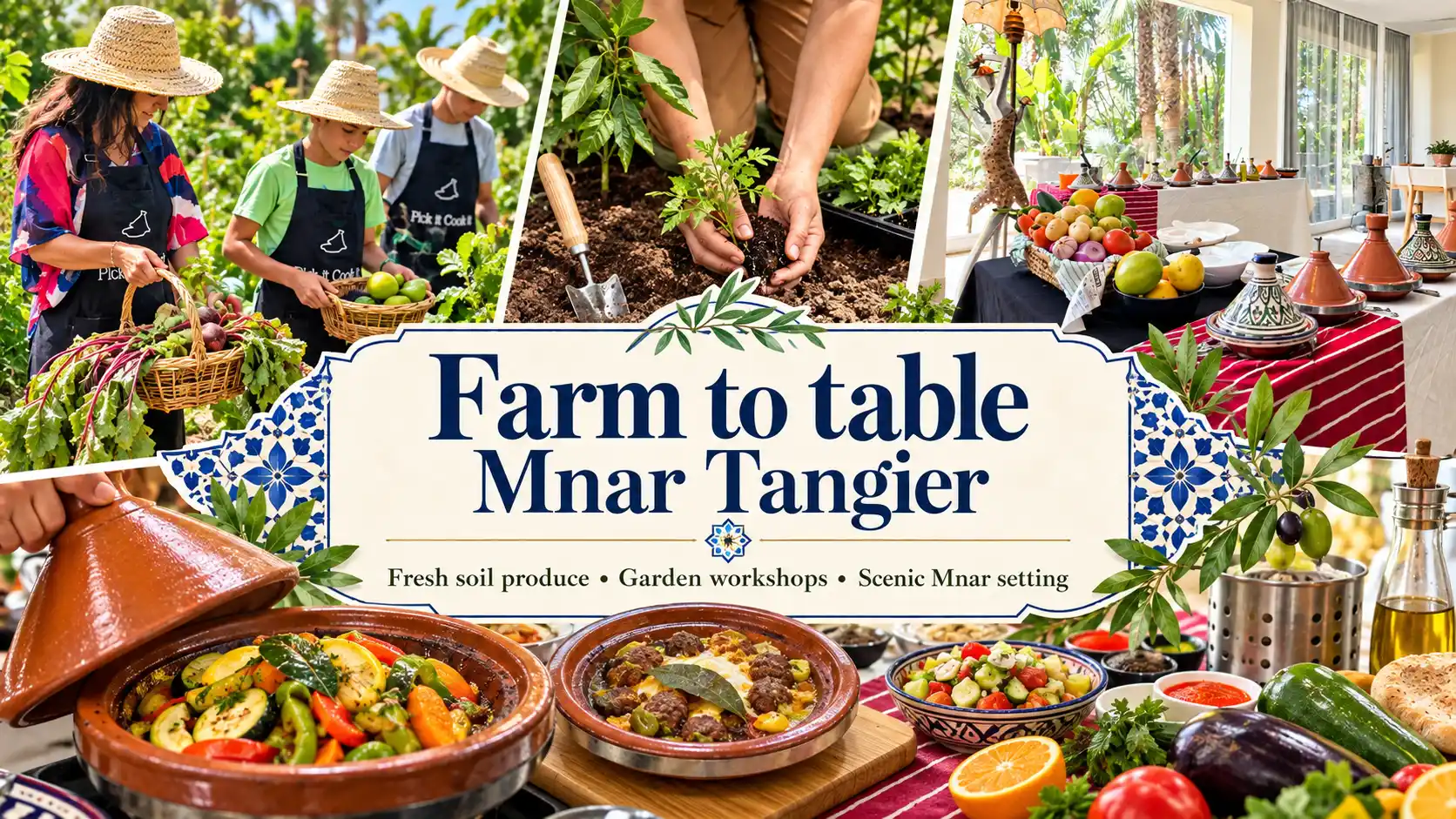
With a 6,000 m² organic garden estate typical for these experiences, visitors often pick vegetables like tomatoes, peppers, and herbs directly from the soil. They then learn methods to make dishes like harira soup or bastilla, which elevate everyday ingredients through use of spices like cumin, saffron, and chermoula marinade.
The use of wood-fired ovens enhances flavors and offers a connection to ancestral cooking methods. Emphasizing this hands-on participation creates a deeper understanding of the food’s origin and the labor involved, contributing to an appreciation of Tangier’s Mediterranean coastal culture.
A Day’s Journey From Garden to Table in Northern Morocco
A full farm to table culinary experience in Tangier typically begins early with harvesting fresh ingredients, continues through cooking traditional dishes, and concludes with communal dining on site. The hands-on nature encourages engagement with every stage of food preparation, fostering a connection to the environment and Moroccan culture.
Morning often starts with gathering vegetables, herbs, and spices from the organic garden. Participants pick varieties such as zucchini, eggplant, preserved lemon, and fresh mint crucial for northern Moroccan cuisine. This part of the day highlights seasonal produce and local agricultural practices that promote sustainability.
Midday cooking sessions follow, frequently held in panoramic glass kitchens overlooking the Mediterranean Sea. Visitors prepare recipes that exemplify regional specialties, including tagine seasoned with ras el hanout and saffron-infused couscous.
Wood-fired ovens lend an authentic smoky aroma to the food while maintaining traditional methods that have been passed down through generations. The day culminates in sharing the meal communally among all participants and hosts, reinforcing the social and cultural value of food in Morocco.
This shared dining experience emphasizes hospitality and connection, intertwining the farm’s bounty with the region’s culinary heritage.
Morning Harvesting and Sustainable Farming Practices
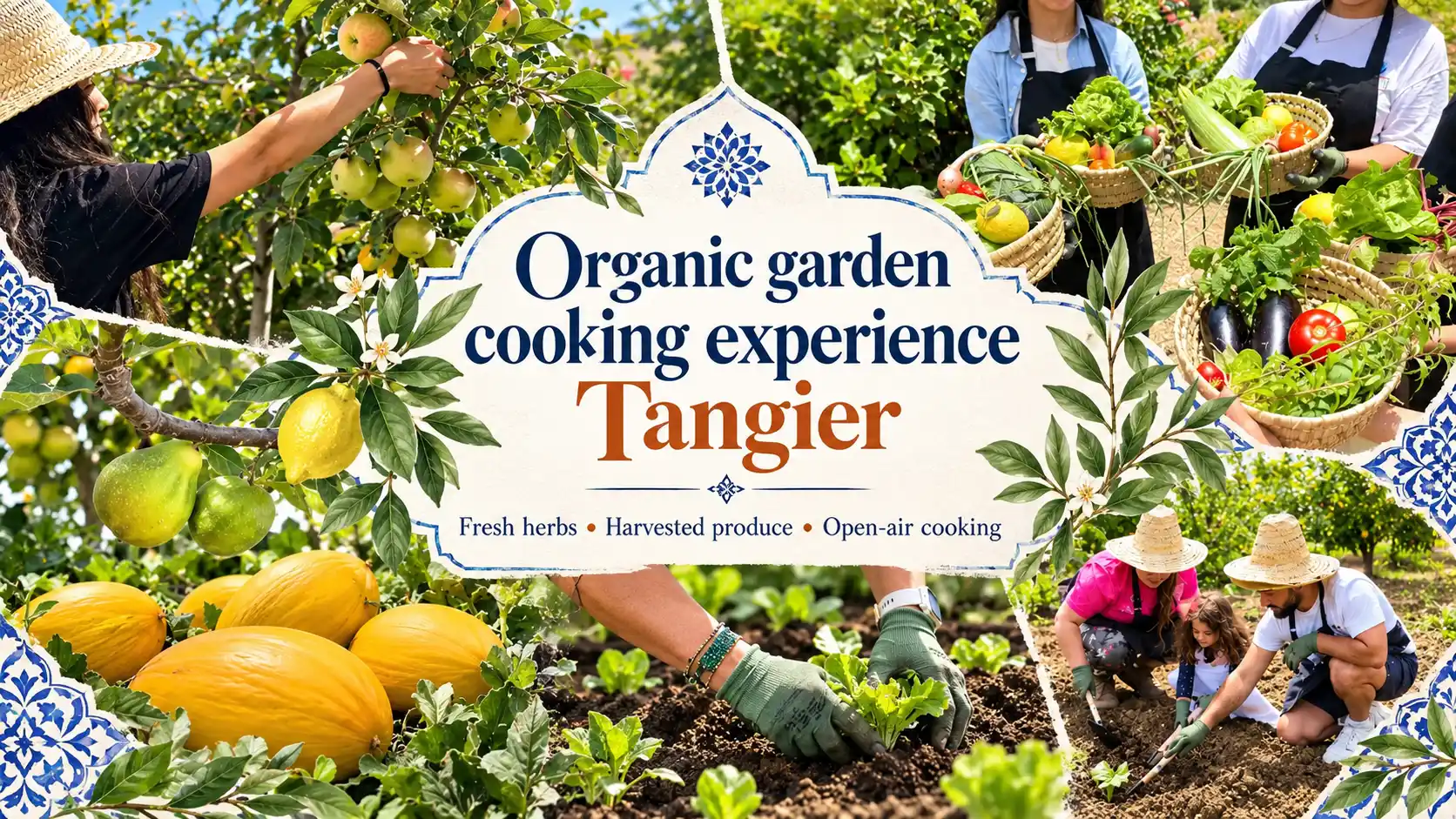
The harvesting phase forms the foundation of the farm to table experience, introducing guests to organic farming techniques used across the Tangier-Tétouan region. Emphasis is placed on harvesting crops at peak freshness, which enhances flavor and nutrition.
Guests learn about crop rotation, soil health, and water conservation, integral to ecotourism efforts aimed at reducing environmental impact. The tangible act of picking ingredients creates a respectful appreciation for the effort behind every meal.
Traditional Cooking Techniques in a Modern Setting
Cooking takes place in a uniquely designed panoramic glass kitchen offering 360° views over the Mediterranean. This setting marries tradition with modernity, showcasing how ancestral recipes adapt to contemporary conditions without losing authenticity.
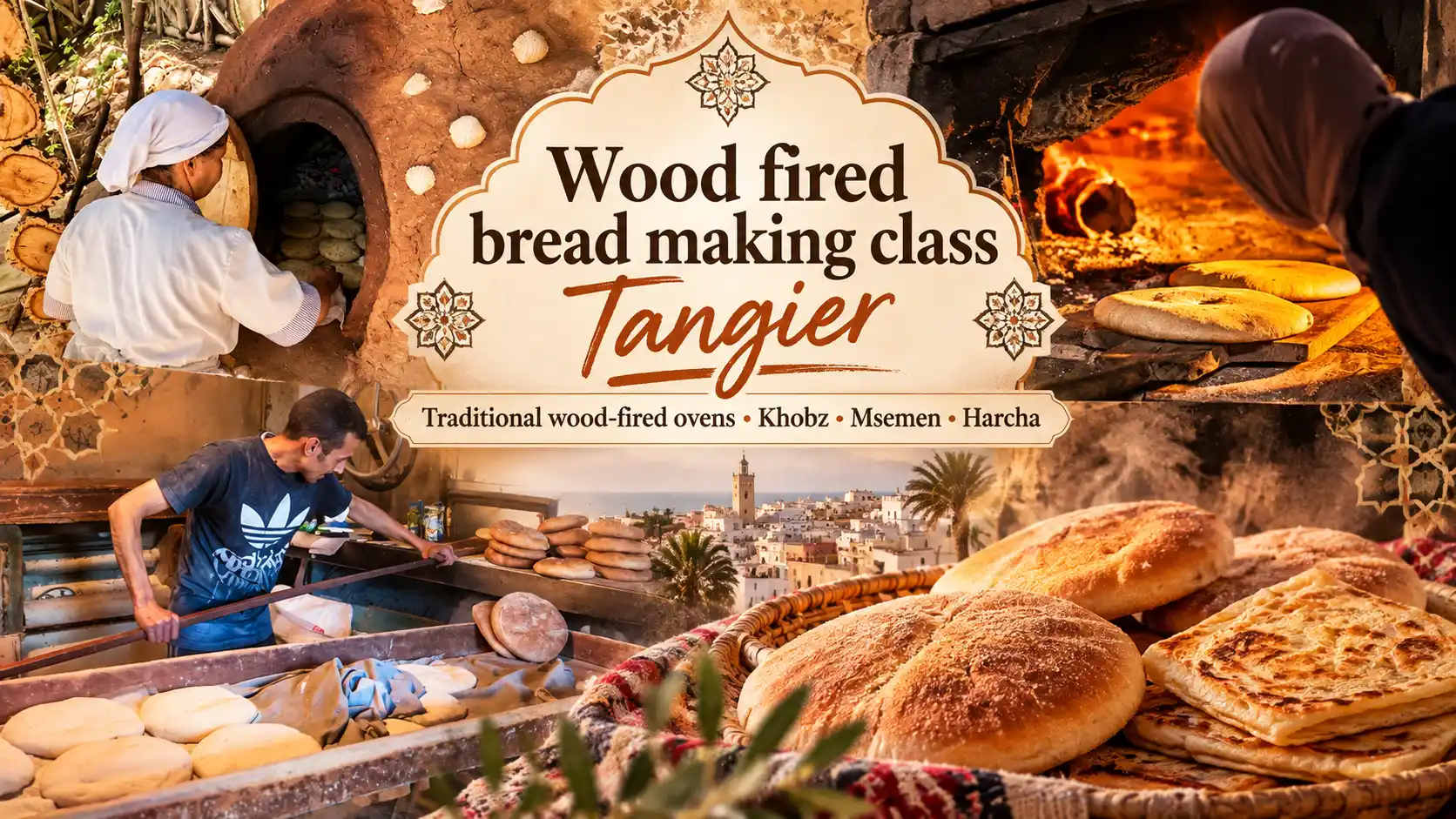
The use of wood-fired ovens reinforces traditional cooking while imparting distinct taste profiles. Recipes like msemen and khobz provide hands-on lessons in Moroccan baking techniques. Preparing dishes from scratch allows participants to understand the role of spices such as cumin and preserved lemon, deepening their culinary knowledge.
How Farm to Table Experiences Promote Ecotourism and Cultural Preservation in Tangier
Farm to table culinary experiences in northern Morocco serve as vital tools both for sustainable tourism and for protecting local culture. They highlight the interdependence between the land and Moroccan food identity, fostering respect for traditional agricultural and cooking methods.
Ecotourism benefits Tangier by encouraging environmentally responsible travel and supporting local economies dependent on organic farming and artisanal food preparation. The Tangier-Tétouan region, where such experiences take place on expansive 6,000 m² organic garden estates, showcases the longevity of Morocco’s agrarian customs in the face of modernization.
These sessions often host groups varying from intimate pairs to about 40 people, allowing travelers to experience authentic culinary heritage with direct sensory involvement. Furthermore, the UNESCO recognition of couscous as intangible cultural heritage solidifies the global value of preserving traditional recipes.
Farm to table programs also educate guests on sustainable ingredient sourcing and seasonal eating, which contribute to lowering carbon footprints linked to food production and transport. Such experiences make the connection between gastronomy and ecological responsibility tangible and memorable.
Pick it Cook it in Mnar, Tangier: An Embodiment of Tangier’s Farm to Table Philosophy
Pick it Cook it offers a distinguished example of a Tangier farm to table culinary experience in the Mnar area, combining organic farming with immersive cooking classes. Set on a 6,000 m² organic garden estate, this experience invites guests to harvest vegetables and herbs before preparing dishes like tagine, harira, and bastilla in a panoramic glass kitchen boasting 360° Mediterranean views.
One key differentiator is the integration of a wood-fired oven for authentic cooking, linking historic methods with contemporary culinary education. The full experience runs approximately 2.5 to 3 hours and includes port pick-up for cruise passengers, making it an accessible shore excursion option.
Hosting private groups from 2 to 40 people allows for personalized instruction and communal interaction alike. The venue’s design promotes ecological awareness while fostering appreciation for northern Morocco’s culinary landscape. Pick it Cook it also offers related programs such as the “Plant it Taste it” session, which focuses on planting techniques and ingredient origins.
These experiences collectively emphasize the farm to table concept as a bridge between ecotourism and cultural heritage in the Tangier-Tétouan region. For those interested in joining, booking details are available on pickitcookit.com.
Essential Moroccan Dishes Featured in a Farm to Table Culinary Experience
A Tangier farm to table culinary experience includes preparing and tasting several emblematic Moroccan dishes that highlight the region’s flavors and ingredient diversity. Learning how to make these dishes offers insight into local cooking methods and spice blends unique to northern Morocco’s Mediterranean environment.
- Tagine: A slow-cooked stew named after the earthenware pot used in its preparation. Recipes often combine meats or vegetables with preserved lemon, olives, ras el hanout, and preserved herbs.
- Couscous: Steamed semolina grains served with meat and vegetable stew, recognized by UNESCO as intangible cultural heritage since 2020.
- Harira: A hearty tomato-based soup with lentils, chickpeas, and spices, traditionally served during Ramadan and festive occasions.
- Msemen and Khobz: Flatbreads and breads baked on griddles or in wood-fired ovens, fundamental staples throughout Moroccan meals.
Mastering these dishes requires understanding the balance of spices such as cumin, saffron, and chermoula—a marinade mixing garlic, cilantro, and preserved lemon. Each dish connects seasonal produce with distinct regional techniques. Preparing these foods within the setting of an organic garden strengthens the link between ingredient source and culinary outcome.
Participants often leave with a Moroccan recipe card to recreate these dishes at home, encouraging further culinary exploration.
The Role of Spices and Preserved Ingredients
Moroccan cooking emphasizes aromatics like ras el hanout, a spice blend made of up to 30 ingredients, and preserved lemons, which provide a distinctive, tangy depth. These ingredients elevate simple dishes harvested on the farm to complex, layered flavors emblematic of Tangier’s culinary identity.
Baking Traditional Moroccan Bread
Bread preparation highlights the use of wood-fired ovens and artisanal techniques passed down through generations. Msemen and khobz are essential components of every meal, often used to scoop up tagine or harira, reinforcing the farm to table connection in Moroccan dining rituals.
Frequently Asked Questions
What makes a Tangier farm to table culinary experience unique?
A Tangier farm to table culinary experience combines hands-on harvesting from organic gardens with preparing traditional northern Moroccan dishes in settings overlooking the Mediterranean, creating a cultural and ecological immersion unmatched by typical tours.
How can cruise passengers participate in farm to table experiences near Tangier?
Many farm to table culinary experiences near Tangier, including Pick it Cook it, offer port pick-up services from the Tangier cruise terminal and structured sessions lasting about 2.5 to 3 hours, making them convenient shore excursions.
What traditional Moroccan dishes are typically prepared in these experiences?
Participants commonly prepare tagine, couscous, harira, msemen, and khobz, using regional spices like ras el hanout, preserved lemon, cumin, and saffron to capture northern Moroccan flavors.
Are farm to table experiences in Tangier suitable for vegetarians?
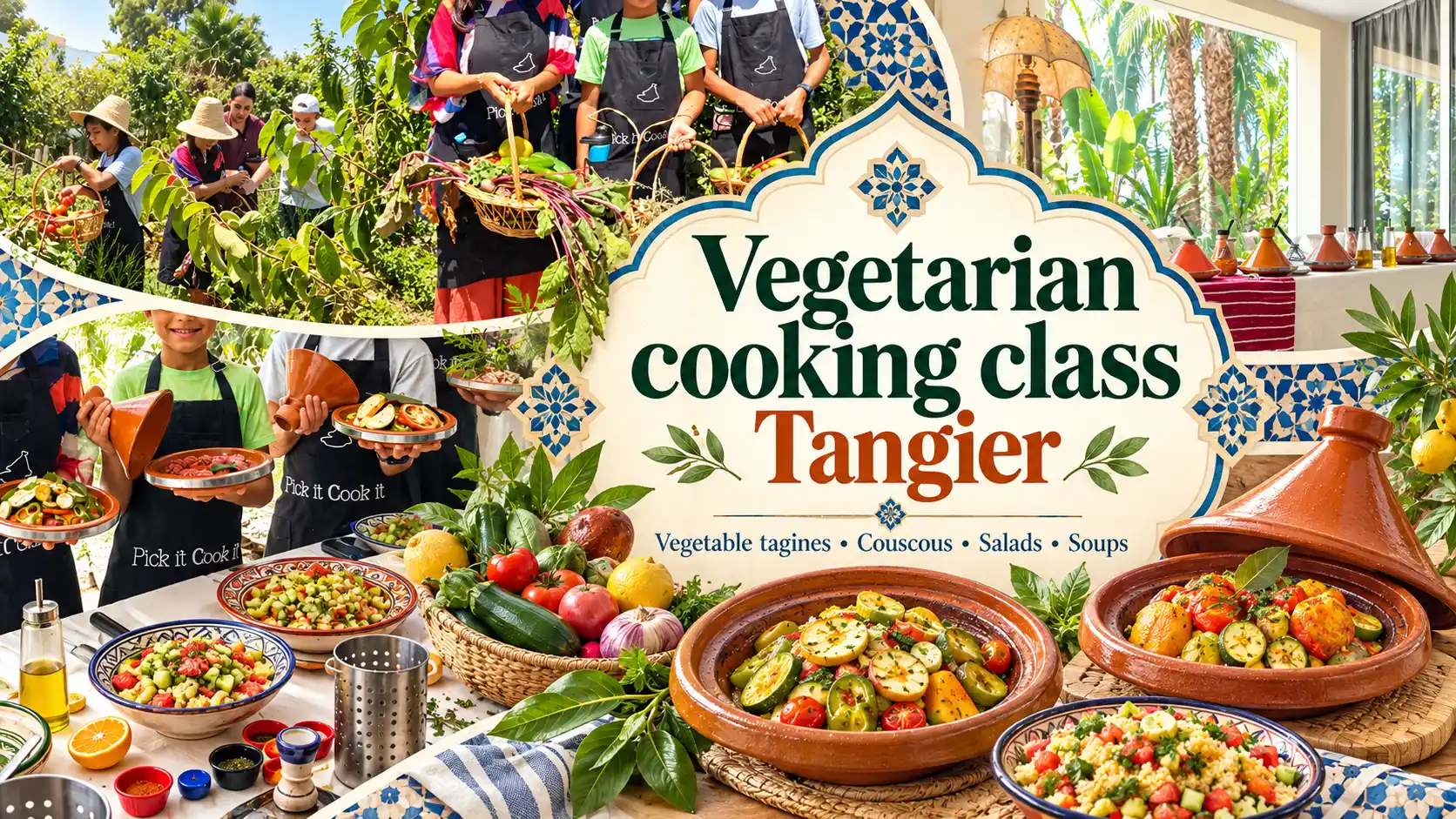
Yes, many dishes focus on fresh vegetables, legumes, and herbs from the organic garden, and vegetarian versions of traditional recipes are often available or easily adapted during the cooking sessions.
How do farm to table culinary experiences support cultural preservation in northern Morocco?
These experiences promote ecological agriculture and traditional cooking methods, raising awareness about indigenous food heritage and sustaining local farming communities, which keeps the region’s culinary customs alive.
A Tangier farm to table culinary experience offers more than just a meal; it invites active participation in the agricultural and culinary traditions that sustain northern Morocco. From harvesting fresh, organic ingredients to cooking with spices like ras el hanout and savoring dishes such as tagine and harira, these experiences connect guests with the land and its people.
Pick it Cook it exemplifies this approach in Mnar, Tangier, combining a 6,000 m² organic estate with panoramic Mediterranean views and wood-fired cooking to create an authentic and immersive day. For travelers seeking meaningful engagement with Moroccan culture and cuisine, Pick it Cook it full experience provides an accessible and enriching opportunity.