Estimated reading time: 6 minutes.
- Discover the rich history and cultural significance of Moroccan khobz.
- Learn about the traditional dough composition and baking techniques.
- Understand the importance of wood-fired ovens in authentic khobz preparation.
- Explore how to recreate khobz at home with a baking stone.
Table of Contents
- The Rich History of Moroccan Khobz and the Traditional Community Oven (Ferran)
- Understanding the Dough Composition: Fine Semolina and White Flour
- Shaping Khobz: The Art of the Round Loaf and Signature Scoring Patterns
- The Vital Role of the Second Rise
- Wood-Fired vs. Modern Oven Baking: Why Traditional Khobz Stands Apart
- How to Replicate Moroccan Khobz at Home Using a Baking Stone
- The Role of Bread in Moroccan Hospitality and Dining
- Comparing Khobz with Msemen and Baghrir: Moroccan Bread Varieties
- Things to Do in Tangier: Exploring Local Culinary Traditions and Experiences
- Moroccan Khobz Wood Fired Bread Recipe Framework
- Why Baking Moroccan Khobz in a Wood-Fired Oven Is Unforgettable
- Frequently Asked Questions about Moroccan Khobz
The Rich History of Moroccan Khobz and the Traditional Community Oven (Ferran)
In Moroccan communities, especially in regions like Mnar near Tangier, bread has been baked collectively for centuries. Khobz traditionally emerged from the communal wood-fired oven known as the ferran. Villagers would bring their dough to this central oven, fostering community interaction and shared heritage. This oven is more than a cooking appliance; it is the heart of Moroccan social and culinary traditions.
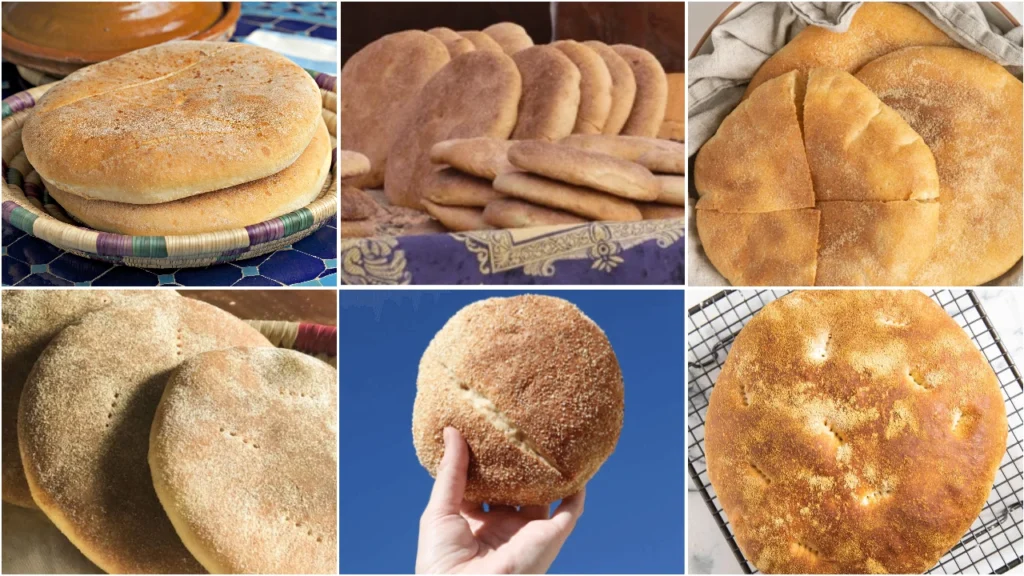
The word khobz itself simply means “bread” in Arabic, but in Morocco, it refers to a very particular type: a round, thick, fluffy loaf made from a dough comprising fine semolina and white flour. Each region, household, and baker might give it unique touches, but the backbone remains consistent.
Understanding the Dough Composition: Fine Semolina and White Flour
Traditional Moroccan khobz dough typically combines fine semolina and white wheat flour, striking a balance between texture and flavor. Semolina adds a slightly coarse, nutty texture, whilst the white flour ensures lightness and rise. The basic ingredients are:
- Fine semolina (for that distinctive texture)
- White all-purpose flour (to make the dough soft and elastic)
- Water
- Yeast (preferably fresh yeast for best rise)
- Salt
- Sometimes a touch of olive oil or sugar, depending on the recipe
The dough is kneaded to a smooth consistency, allowed to rise slowly until doubled, which is crucial as it develops flavor and helps achieve the light texture khobz is known for.
Shaping Khobz: The Art of the Round Loaf and Signature Scoring Patterns
After the first rise, the dough is shaped into thick rounds—usually 20 to 30 cm in diameter. Shaping is an important stage: it creates the foundation for the bread’s rustic look. The rounds are then left to rise a second time, a step that boosts the tenderness and airiness of the crumb.
Before baking, Moroccan bakers impress the top of the dough with ornate scoring patterns using a sharp knife. These patterns are not only decorative but also practical—they allow steam to escape and contribute to the distinctive crust texture. Patterns vary by region and bakery but often include crisscrosses or concentric circles.
The Vital Role of the Second Rise
The second rise, or “proofing,” is essential in Moroccan khobz preparation. It softens the dough, encourages fermentation for deeper flavor, and creates a more open, airy crumb structure. Skipping this step leads to denser bread and less authentic taste.
Wood-Fired vs. Modern Oven Baking: Why Traditional Khobz Stands Apart
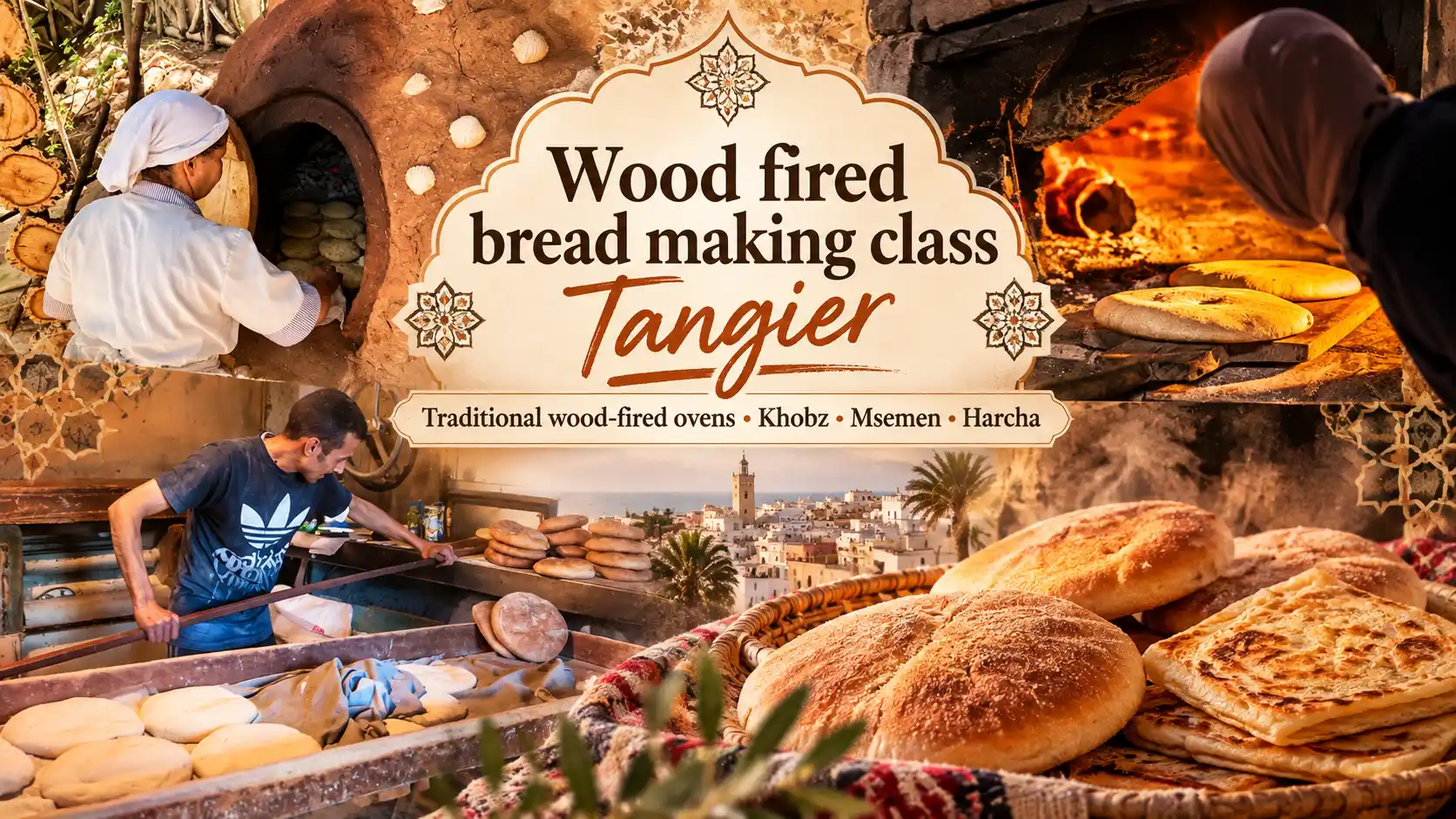
Cooking Moroccan khobz in a wood-fired oven brings it to another level of authenticity. The traditional ovens in Tangier’s Mnar region and other parts of northern Morocco are stone-built, heated by burning aromatic woods that infuse subtle smokiness into the bread.
Compared to modern electric or gas ovens, wood-fired baking:
- Creates a stronger, more complex crust with a unique char and crackle
- Generates radiant heat that bakes the bread evenly while locking in moisture
- Provides an immersive sensory experience—sounds crackling, aromas of smoke and dough mingled with the warmth of the oven
- Often bakes bread in less time while achieving a distinct artisan feel
Baking khobz in a home oven cannot fully replicate these results. However, using a baking stone can help simulate the radiant heat and provide a better crust than a regular baking tray.
How to Replicate Moroccan Khobz at Home Using a Baking Stone
For those wanting to enjoy Moroccan bread outside Morocco, the best home method is to use a preheated baking stone inside a conventional oven. Here’s a basic framework:
- Prepare the dough: Mix fine semolina, white flour, yeast, salt, and water. Knead until smooth.
- First rise: Let rise for 1-2 hours until doubled in size.
- Shape: Form into round loaves, place on parchment paper.
- Second rise: Let rise again for 45 minutes.
- Preheat baking stone and oven: Preheat to 230°C (450°F) for at least 30 minutes with the stone inside.
- Score and bake: Transfer the loaf with parchment onto the stone, score the top, and bake for 20-25 minutes until golden and hollow-sounding.
- Cool on a rack before cutting.
While this method can deliver delicious bread, the sensory magic of a wood-fired oven—aromatic smoke, natural ash, and elemental heat—is unmatched.
The Role of Bread in Moroccan Hospitality and Dining
In Morocco, khobz is indispensable. It accompanies every meal—from breakfasts with olive oil and honey to communal dinners of tagines and harira soup. Sharing bread is a sign of hospitality and warmth. The act of breaking bread together connects diners and symbolizes generosity.
Comparing Khobz with Msemen and Baghrir: Moroccan Bread Varieties
Morocco’s bread spectrum includes more than khobz:
- Msemen: A flaky, square-shaped flatbread made with layers of dough and often enjoyed with honey and butter. Its texture is supple and chewy, quite different from the airy khobz.
- Baghrir: Also known as “Moroccan pancakes,” these are thin, spongy breads with a porous surface, perfect for soaking up sweet syrups. Baghrir is soft and delicate, unlike the crusty khobz.
Each type plays a unique role in Moroccan cuisine, but khobz remains the quintessential everyday bread.
Things to Do in Tangier: Exploring Local Culinary Traditions and Experiences
Tangier is a bustling gateway city with rich culinary traditions. Beyond wandering the vibrant medina, the Grand Socco, and exploring Tangier port or Cap Spartel, travelers interested in Moroccan food will find hands-on experiences invaluable. A notable way to immerse yourself deeper is through farm-to-table cooking sessions set amid the natural beauty of the Mnar region.
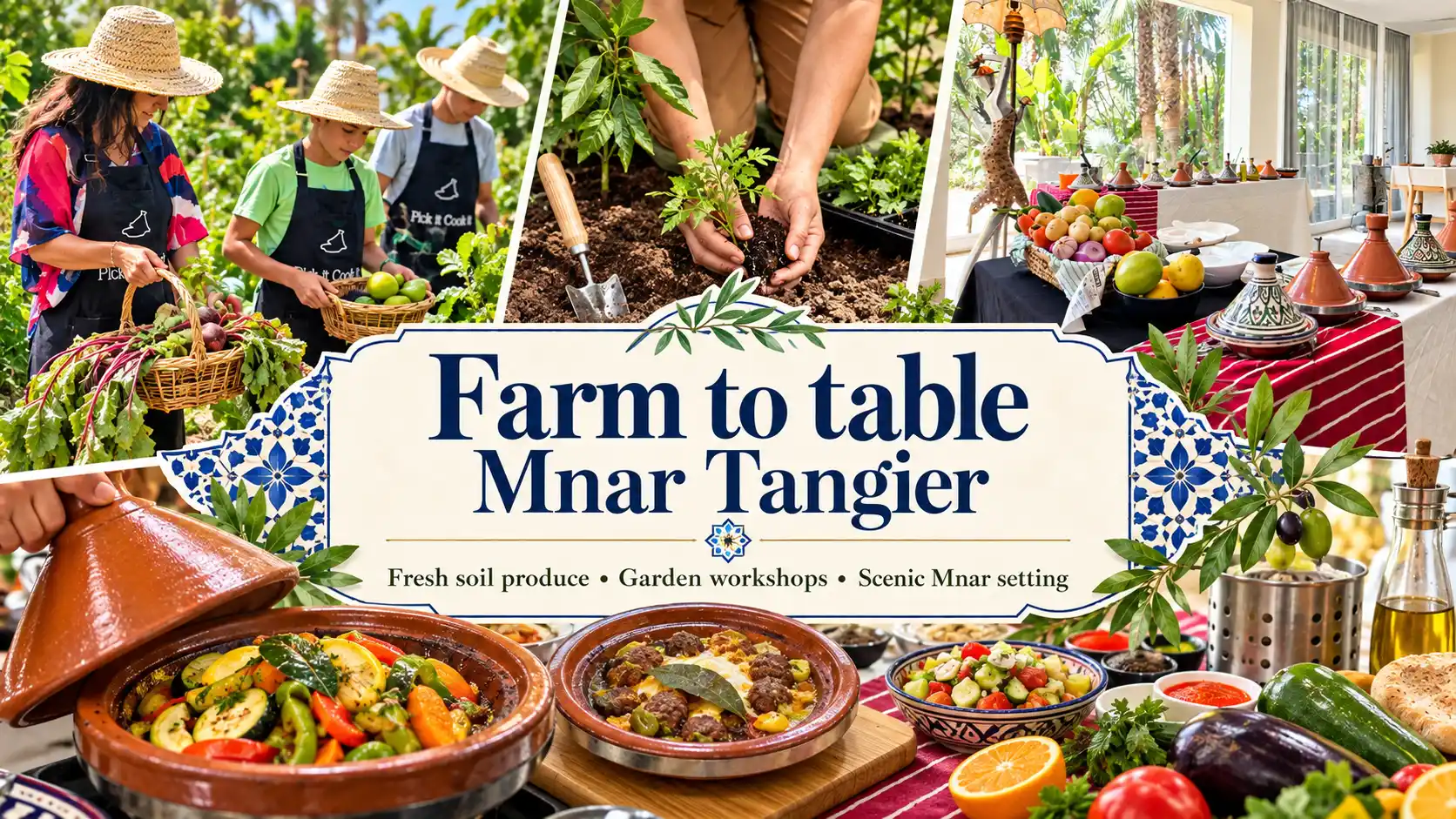
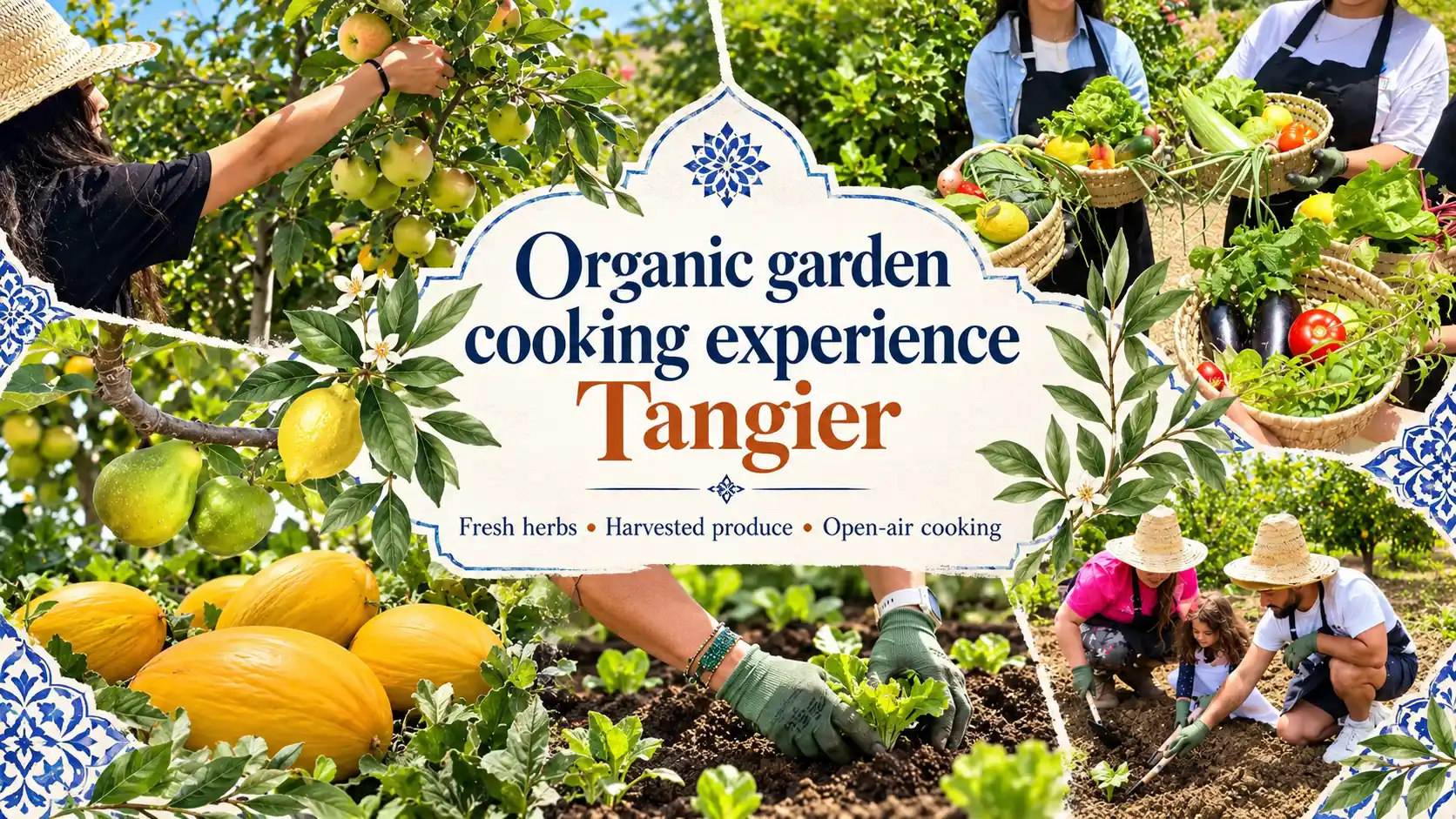
Tangier’s first immersive farm-to-table culinary experience, set in a 6000m² organic garden in the Mnar region, offers visitors the chance to engage directly with Moroccan ingredients and baking traditions, including shaping and baking khobz in a traditional wood-fired oven. This authentic encounter contextualizes the bread’s role in Moroccan life and gives guests a full sensory experience unattainable in a standard kitchen setting. Learn more about this Moroccan culinary experience to enrich your Tangier journey.
Moroccan Khobz Wood Fired Bread Recipe Framework
Here’s a straightforward recipe framework to get started on making authentic khobz:
Ingredients:
- 300g fine semolina
- 200g white flour
- 1 tsp salt
- 2 tsp fresh yeast (or 1 tsp dry yeast)
- 350ml warm water
- 1 tbsp olive oil (optional)
Instructions:
- Dissolve yeast in warm water; let activate for 5 minutes.
- Combine semolina, flour, and salt in a large bowl.
- Pour yeast mixture into the dry ingredients; mix and knead for 10 minutes until smooth and elastic.
- Cover dough; let rise 1-2 hours until doubled.
- Punch dough down, divide into 2 or 3 rounds; shape and score tops.
- Let second rise for 45 minutes.
- Bake in a preheated wood oven or a 230°C oven with a baking stone for 20-25 minutes.
- Cool before serving.
Pro tip: For added authenticity, shape the dough thickly, score elaborately, and if baking at home, spray water inside the oven before baking to mimic steam conditions.
Why Baking Moroccan Khobz in a Wood-Fired Oven Is Unforgettable
Baking Moroccan khobz in a traditional wood-fired oven brings a unique magic impossible to replicate in modern kitchens. The intense heat, coupled with subtle smoky notes and the aroma of burning wood infused into the crust, delivers a sensory experience deeply rooted in Moroccan culture. At Tangier’s Mnar region estate, bakers and guests shape their own khobz and bake it in a traditional wood-fired stone oven, then savor fresh bread straight from the heat. This experience connects one not just to a recipe, but to the heart of Moroccan culinary heritage.
Frequently Asked Questions about Moroccan Khobz
Q1: What makes Moroccan khobz different from regular bread? Moroccan khobz uses fine semolina blended with white flour, is shaped into thick rounds, scored on top, and traditionally baked in a wood-fired oven, giving it a unique texture and flavor.
Q2: Can I use only semolina flour to make khobz? Pure semolina-only dough is very dense, so Moroccan khobz typically mixes fine semolina with white flour for better rise and soft crumb.
Q3: How does the wood-fired oven affect the bread? Wood-fired ovens impart aroma, create a crust with slight char, and provide intense radiant heat, resulting in bread with deeper flavor and unique texture.
Q4: What is the difference between khobz and msemen? Khobz is a round, thick bread with a fluffy crumb, while msemen is a layered, flaky flatbread often served for breakfast or snacks.
Q5: Is it possible to bake authentic khobz at home? Yes, using a baking stone and preheated oven, you can approximate the texture and crust, but the smoky flavor and oven environment of a wood-fired bake are hard to replicate.
Experience the true taste of traditional Moroccan bread and the culture it embodies—whether exploring Tangier’s lively streets or participating in an authentic culinary journey in the Mnar region with Tangier’s immersive farm-to-table culinary experience.
Ready to Learn More? Book your hands-on cooking class in Tangier today or explore all Moroccan cooking classes in Tangier to deepen your culinary adventure. For booking via WhatsApp +212 662 735 863 or visit Pick It Cook It.