Estimated reading time: 7 minutes.
- Learn what a tagine is and its cooking method.
- Discover the essential spices for Moroccan tagine.
- Understand proper layering for tagine recipes.
- Caring for and maintaining your clay tagine.
- Avoid common mistakes when cooking tagine.
Table of Contents
- What Is a Tagine?
- The Conical Lid: Mastering the Slow-Cooking Steam Effect
- Main Types of Moroccan Tagines
- The Essential Moroccan Spice Base
- Proper Layering Order in a Tagine
- Slow vs Fast Cooking: Which Method Is Best for Tagine?
- Caring for Your Clay Tagine: Seasoning and Maintenance
- Alternative Equipment: How to Make Tagine Without a Clay Pot
- Five Common Beginner Mistakes When Cooking Tagine—and How to Fix Them
- Things to Do in Tangier: Exploring Moroccan Culinary Traditions
- Final Tips for Mastering Your Moroccan Tagine Recipe Beginners
What Is a Tagine?
The term “tagine” refers both to a distinctive North African slow-cooked stew and the special clay pot used to make it. Originating from Morocco, the tagine pot features two parts: a flat, circular base and a conical lid. The earthenware material is ideal for cooking gently over low heat, preserving moisture and enhancing flavors.
The dish inside a tagine consists of meats, vegetables, aromatic spices, and sometimes dried fruits or nuts. A hallmark of Moroccan cuisine, the tagine is cherished for its tender textures and complex blend of savory and sweet notes.
The Conical Lid: Mastering the Slow-Cooking Steam Effect
One of the tagine’s unique design features is its conical lid. As the food cooks, steam rises, condenses on the inside of the lid, then trickles back down into the dish. This continuous steam cycle maintains moisture, making the tagine perfect for slow cooking tougher cuts of meat or fibrous vegetables without drying them out.
This gentle steaming mechanism means dishes cook evenly and retain their natural juices and flavors, which is especially important for recipes that require several hours of cooking.
Main Types of Moroccan Tagines
Tagines come in a variety of styles based on regional influences and ingredients. The most popular types include:
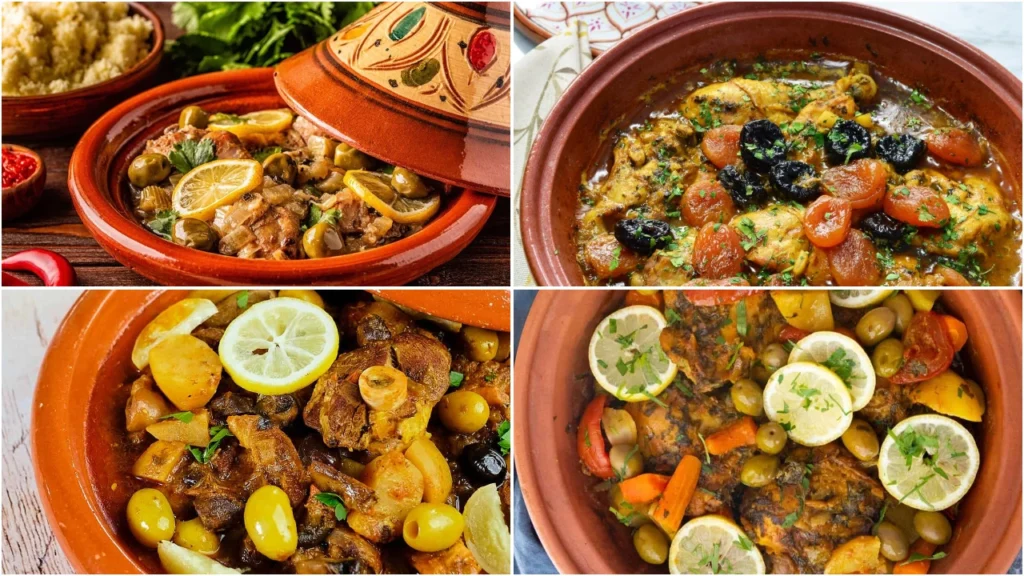
- Chicken Tagine: Often prepared with preserved lemons and green olives, creating a vibrant, tangy dish.
- Lamb Tagine: Slow-cooked lamb with prunes or apricots, flavored with warming spices like cinnamon.
- Beef Tagine: Typically paired with root vegetables, dates, or chickpeas for a hearty, rich meal.
- Fish Tagine: Uses firm white fish, with tomatoes and chermoula, offering a lighter yet aromatic option.
- Vegetable Tagine: A medley of seasonal vegetables spiced delicately for a vegetarian-friendly meal.
Each variety uses the same cooking principles but alters the protein and seasoning to suit tastes and ingredients available, especially in northern Morocco.
The Essential Moroccan Spice Base
Every authentic Moroccan tagine recipe beginners must know starts with a spice mix forming the foundation of flavor. This blend usually includes:
- Ground cumin
- Ground coriander
- Ground ginger
- Turmeric
- Paprika
- Cinnamon
Sometimes, a pinch of saffron is added for fragrance and color. Fresh ingredients like garlic, preserved lemon, and fresh coriander or parsley complement the dried spices. Mastering this spice base is key to replicating the iconic Moroccan taste that you encounter in Tangier’s medina or lively souks.
Proper Layering Order in a Tagine
Layering ingredients correctly in your tagine ensures a balanced, flavorful dish:
- Spices and aromatics: Begin by evenly spreading the essential Moroccan spice base across the base of the tagine or pot.
- Protein: Place your chicken, lamb, beef, or fish next, allowing the spices to coat the meat thoroughly.
- Vegetables: Add vegetables on top of the protein. They will absorb steam and flavor without overcooking.
- Liquid: Add a minimal amount of water or broth to create steam — too much can make the dish soggy.
This layering allows the flavors to mingle slowly throughout cooking, preserving texture and ensuring an even taste profile.
Slow vs Fast Cooking: Which Method Is Best for Tagine?
Traditional tagines are slow-cooked for 1.5 to 4 hours, depending on the ingredients and cut of meat, allowing flavors to fully develop. Slow cooking at low heat tenderizes tougher cuts and melds spices perfectly.
Fast cooking, often done on stovetops or in pressure cookers, can be convenient but sacrifices some depth of flavor and texture. For beginners, following slow cooking techniques yields the best results and teaches patience — a prized virtue in Moroccan cooking.
Caring for Your Clay Tagine: Seasoning and Maintenance
If you invest in a traditional clay tagine, proper care is essential to preserve it:
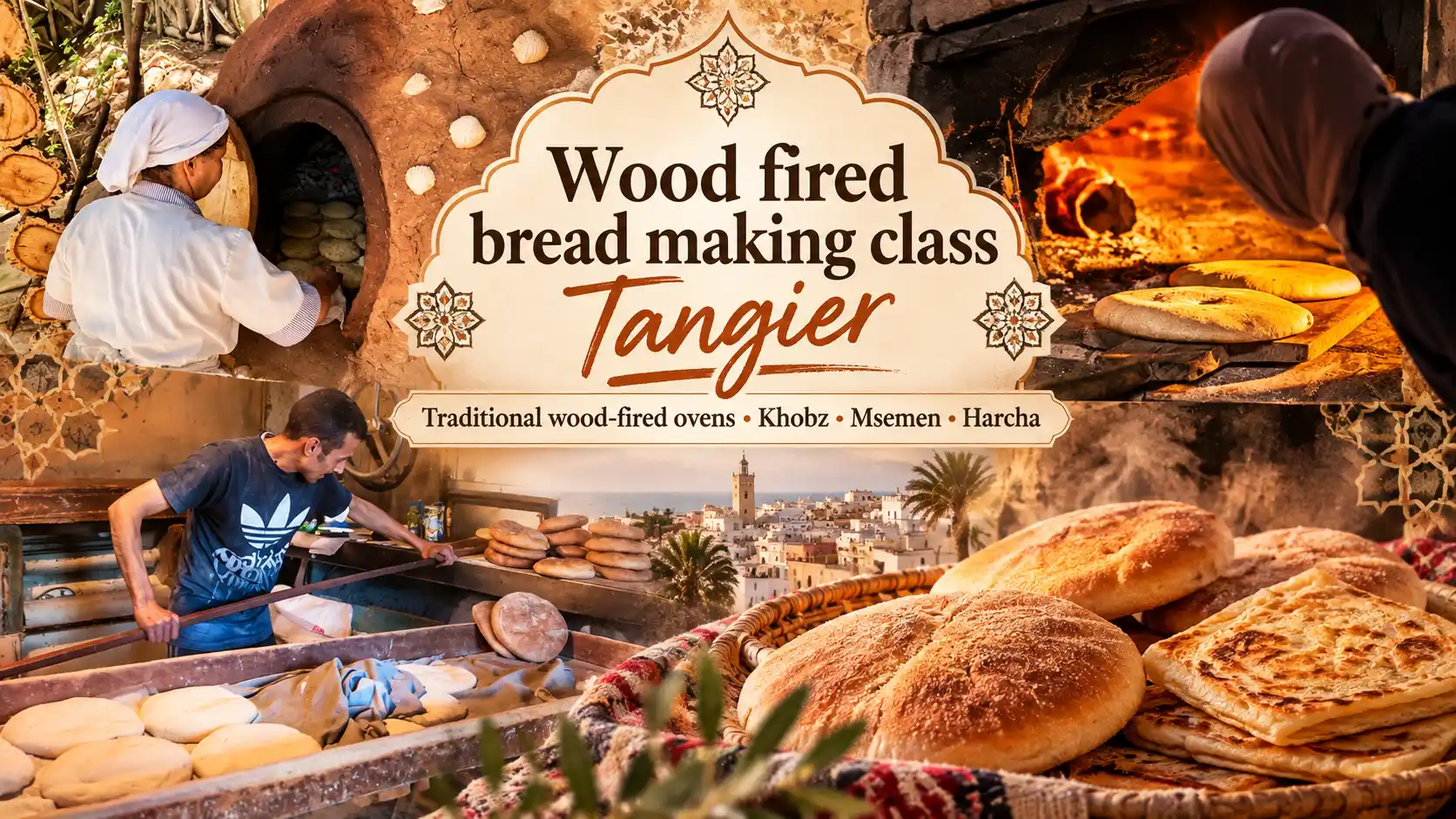
- Seasoning before first use: Soak the base and lid in water for about an hour, then rub olive oil inside and cook over low heat for 2 hours to cure the clay.
- Cleaning: Hand wash only with warm water; avoid soap which can be absorbed by the porous clay.
- Drying: Let it air dry completely before storing to prevent mold.
- Usage tips: Avoid sudden temperature changes, as they can crack the clay.
Seasoning and gentle care help maintain the tagine’s natural non-stick properties and longevity.
Alternative Equipment: How to Make Tagine Without a Clay Pot
If you don’t own a tagine pot, you can approximate the cooking method:
- Use a heavy-bottomed Dutch oven or a deep, wide saucepan with a tight-fitting lid.
- Create a makeshift cone by balancing a heatproof bowl inside to trap steam, or use parchment paper to cover the dish under the lid.
- Cook over very low heat and adjust cooking times for similar slow simmering.
While the unique steam condensation of the conical lid is hard to replicate exactly, these substitutes allow Moroccan tagine recipe beginners to experiment in any kitchen.
Five Common Beginner Mistakes When Cooking Tagine—and How to Fix Them
- Overloading the tagine: Avoid filling the pot to the brim. Leave room for steam to circulate freely.
- Using too much liquid: Less is more; excess water dilutes flavors and prevents slow braising.
- Skipping the spice base: Always start with the essential spices to build authentic taste.
- Cooking too fast or high heat: Use low, steady heat to keep meat tender and prevent burning.
- Neglecting tagine care: Unseasoned or poorly maintained clay can crack or stick, ruining the experience.
Understanding these common pitfalls and remedies improves your success with every tagine.
Things to Do in Tangier: Exploring Moroccan Culinary Traditions
Tangier, located in northern Morocco, offers a vibrant introduction to traditional Moroccan cuisine. Beyond tasting delicious food in the busy Grand Socco or near the bustling port, food lovers can dive deeper into the culture by exploring the Mnar organic garden region, just north of the city center.
Visitors who want to learn first-hand about Moroccan culinary techniques should consider hands-on experiences that immerse them in local flavors and traditions.
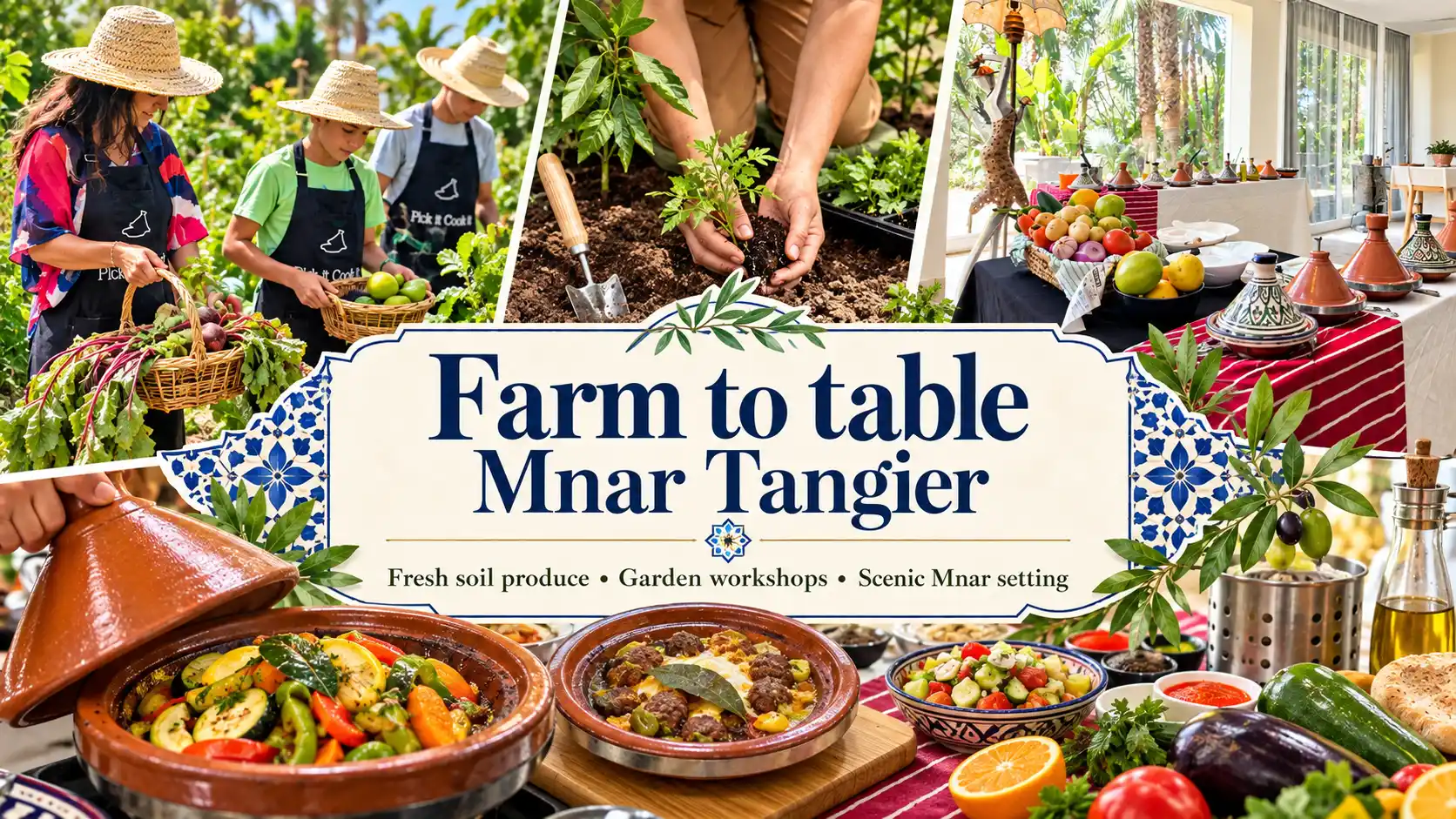
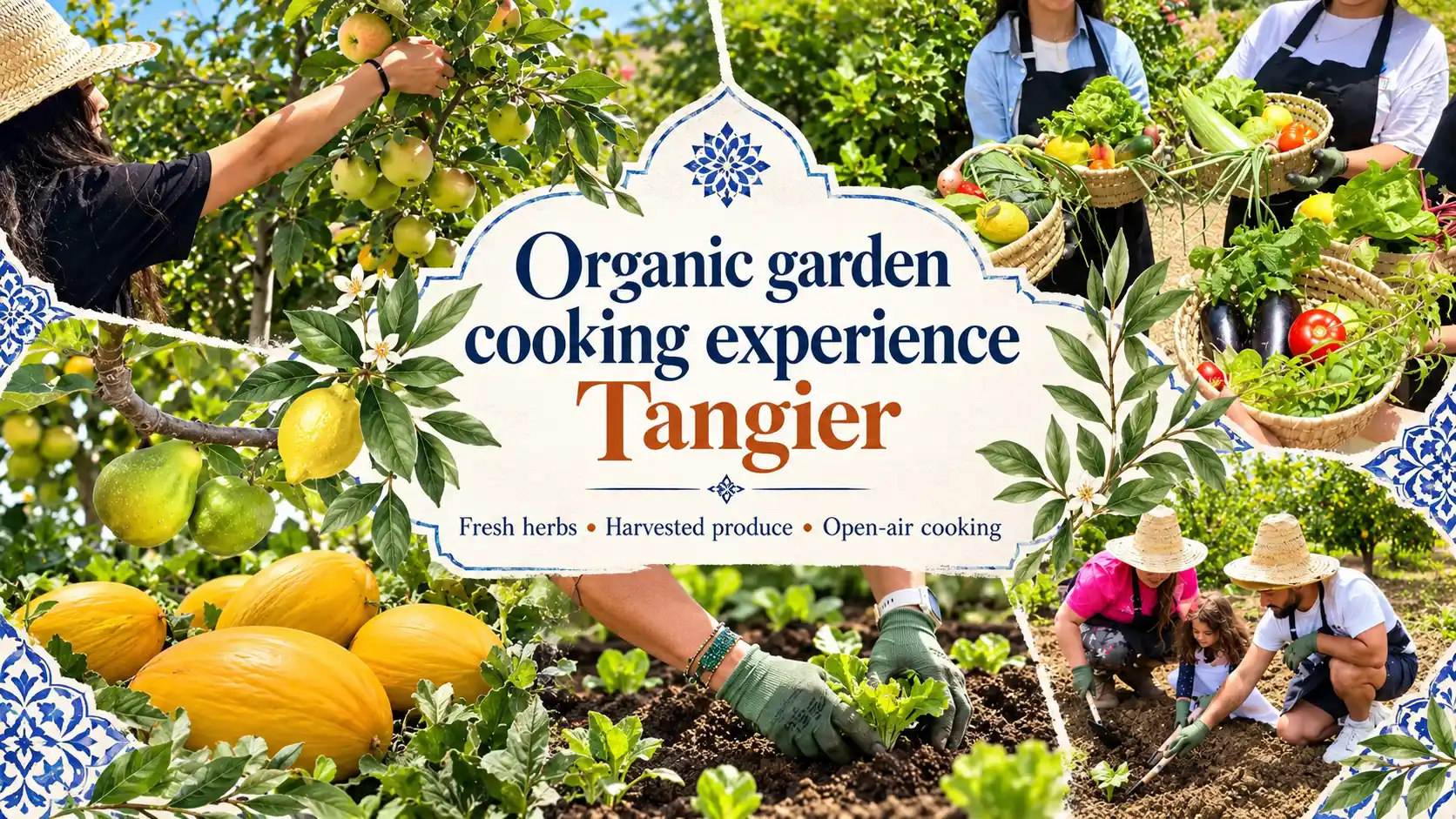
Tangier’s first immersive farm-to-table culinary experience, set in a 6000m² organic garden in the Mnar region, combines the joy of harvesting fresh ingredients with cooking traditional dishes. This approach offers invaluable insight into the origins of Moroccan tagine spices and the authentic use of traditional clay pots, a perfect step for learners seeking to master their Moroccan tagine recipe beginners skills.
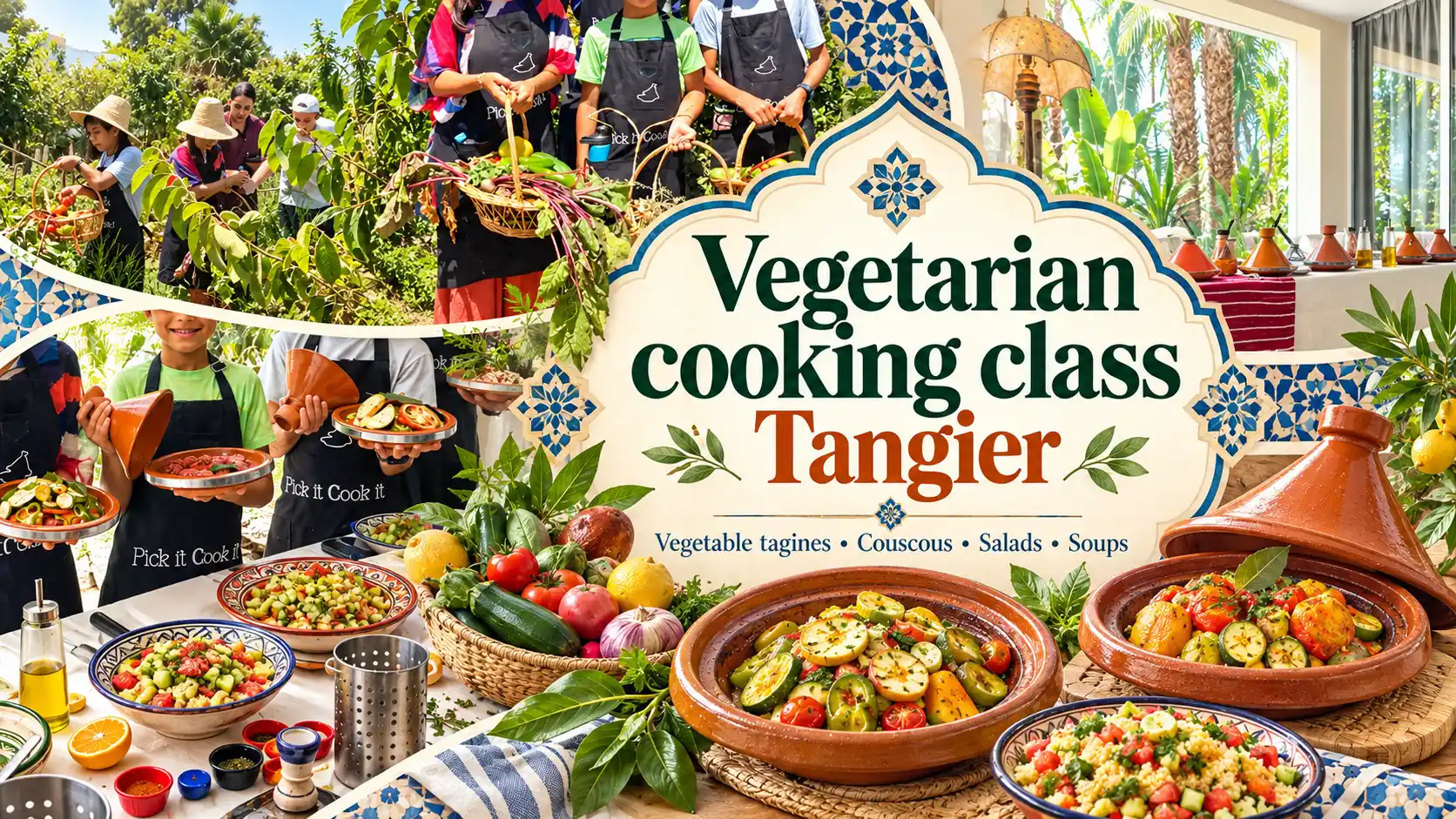
Moroccan cooking classes in Tangier at Pick It Cook It provide step-by-step guidance from cellar to table, ideal for those who want practical knowledge and confident cooking skills.
Final Tips for Mastering Your Moroccan Tagine Recipe Beginners
- Be patient and gentle with the cooking process; tagine cuisine is about slow nurturing of flavors.
- Use fresh, high-quality spices and ingredients sourced locally if possible.
- Don’t be afraid to experiment with different proteins and combinations, always respecting the layering and slow cooking methods described.
- Join a guided cooking class in Tangier to see traditional techniques in action and ask questions.
With dedication, your tagine dishes will bring a taste of northern Morocco’s rich culinary heritage straight to your kitchen.
Frequently Asked Questions About Moroccan Tagine Cooking for Beginners
Q1: Can I use a regular pot instead of a tagine?
Yes, a heavy, lidded pot like a Dutch oven can substitute, but slow, low heat and moisture control are essential to mimic true tagine cooking.
Q2: How long does it usually take to cook a tagine?
Slow cooking typically ranges from 1.5 to 4 hours, depending on the protein and the recipe.
Q3: What spices are essential for a classic tagine?
Cumin, coriander, ginger, turmeric, paprika, and cinnamon form the core spice base for authentic flavor.
Q4: How do I prevent my tagine from cracking?
Season your clay tagine before first use, avoid sudden temperature changes, and never wash with harsh detergents.
Q5: Is tagine cooking difficult for beginners?
Not at all—many find it accessible as long as you follow slow cooking principles and layering steps. Participating in a cooking class can accelerate your learning.
For travelers and food enthusiasts drawn to the flavors of Morocco, learning to master the tagine dish is a rewarding culinary adventure. Tangier’s local markets, stunning scenery near Cap Spartel, and unique farm-to-table cooking classes provide an ideal environment to deepen your expertise and culinary appreciation. With patience and the right guidance, your Moroccan tagine recipe beginners journey will lead to delicious success.
Booking via WhatsApp +212 662 735 863 or explore detailed options at Pick It Cook It Moroccan cooking classes for a truly immersive experience: