Estimated reading time: 7 minutes.
- Explore various cooking class types available in Morocco.
- Learn about the key dishes that are typically prepared.
- Understand pricing structures across different classes.
- Get tips for selecting the right cooking class.
- Discover unique farm-to-table experiences in Tangier.
Table of Contents
- Types of Cooking Classes in Morocco: From Medina Kitchens to Farm Estates
- What to Expect in a Typical Morocco Cooking Class
- Demonstration vs. Hands-On Classes: What’s Best?
- Group vs. Private Cooking Sessions
- Price Ranges Across Morocco’s Cooking Classes
- Dietary Accommodations in Moroccan Cooking Classes
- What to Look For When Booking a Morocco Cooking Class
- Red Flags to Avoid
- Comparing Classes in Marrakech, Fes, Essaouira, and Tangier
- Practical Tips for Booking and Participating in a Moroccan Cooking Class
- FAQs – Morocco Cooking Class Guide
- Conclusion
Types of Cooking Classes in Morocco: From Medina Kitchens to Farm Estates
Morocco’s culinary landscape offers a variety of cooking classes, each providing unique glimpses into Moroccan food culture and traditions:
1. Home Kitchen Classes in the Medina
Hosted in a local chef’s home, often inside a riad or private residence within the medina (ancient city center), these classes offer an intimate setting. You gain insight into Moroccan family recipes and traditional cooking methods using basic kitchen equipment.
- Typically small groups (4–8 people) or private sessions
- Focus on classic dishes like tagine, couscous, harira soup, and mint tea preparation
- Emphasis on authenticity and cultural exchange
2. Riad Cooking Classes
Held inside traditional Moroccan guesthouses, riad classes combine hospitality with culinary instruction. These often include market visits to select fresh ingredients followed by cooking in a well-equipped riad kitchen.
- Slightly more commercial, may attract tourists staying at the riad
- Classes last 2–3 hours, sometimes paired with traditional Moroccan lunch or dinner
- Often a mix of demonstration and hands-on participation
3. Market Tour + Cook
This is a popular option where you start by exploring a local market (souq) with your chef or guide. You learn about spices, produce, and Moroccan culinary staples before returning to a kitchen to prepare the meal.
- Valuable for understanding ingredient origins and Moroccan market culture
- Usually a half-day experience combining shopping and cooking
- Can be group or private sessions
4. Farm Estate and Organic Garden Classes (Farm-to-Table)
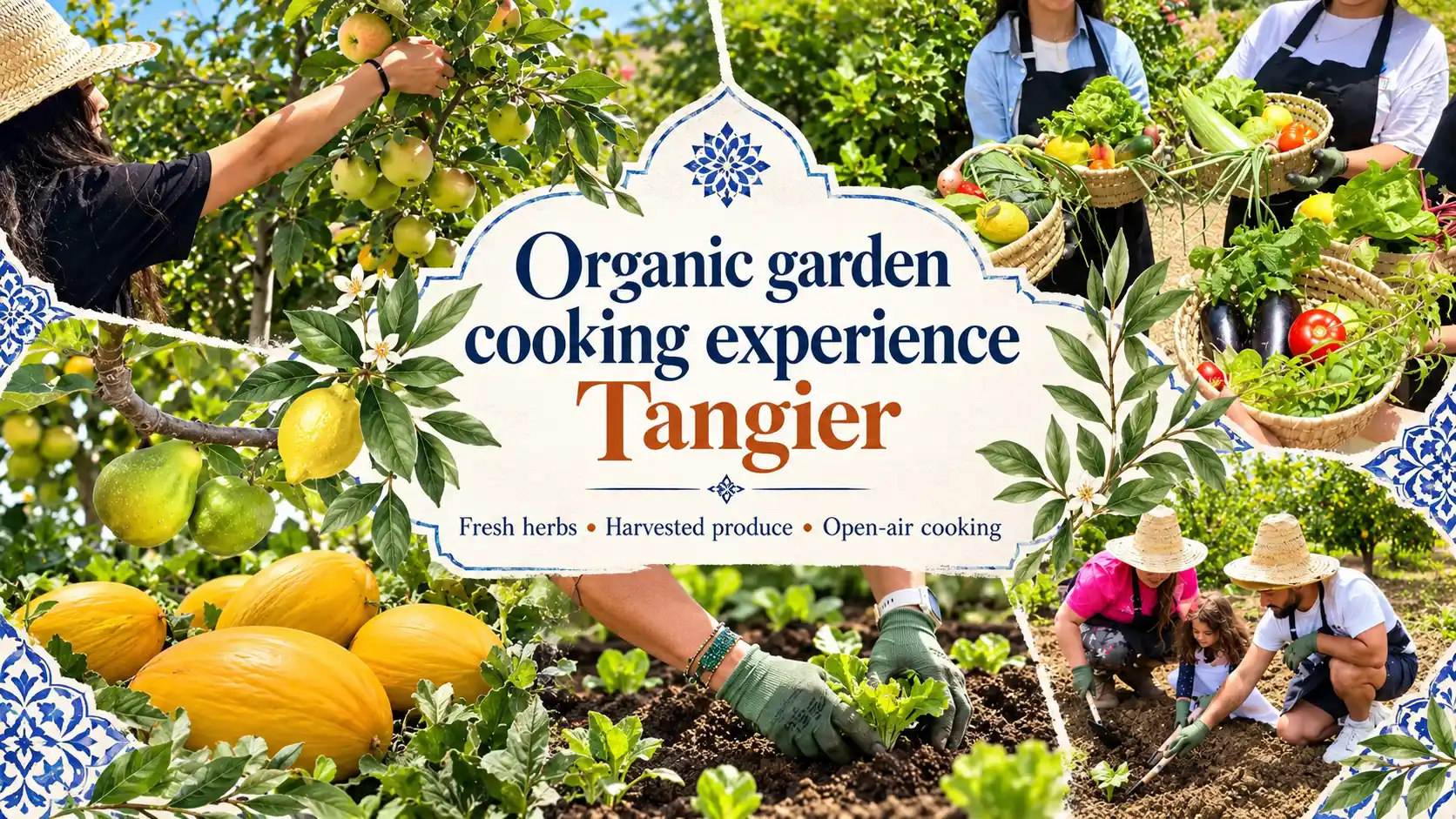
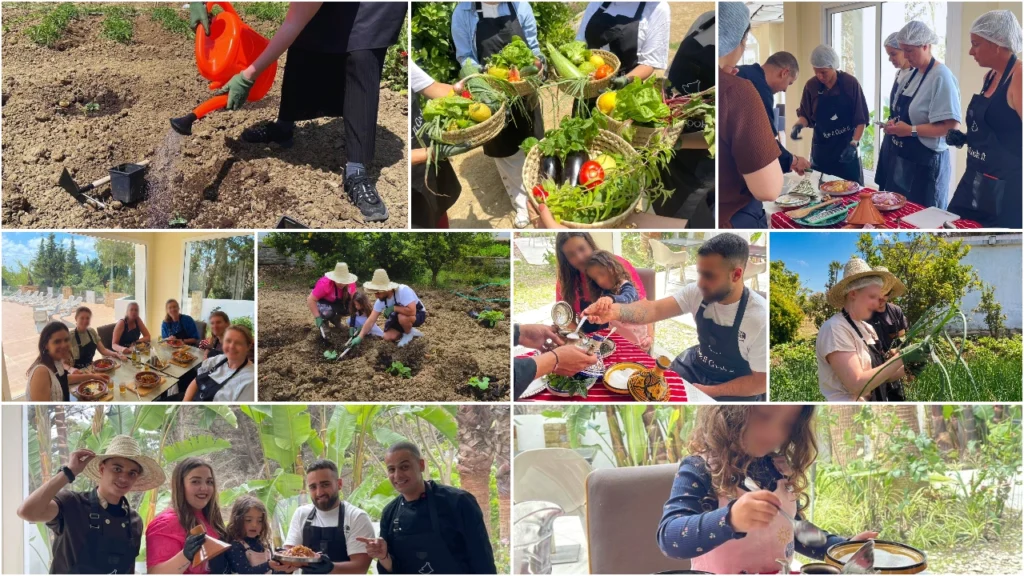
The most immersive and sustainable format, farm-to-table experiences take place on farms or estates where ingredients are harvested fresh that day. You participate from plant to plate, connecting deeply with the source of Moroccan ingredients.
- Longer sessions (4–5 hours or more), often including transfer services
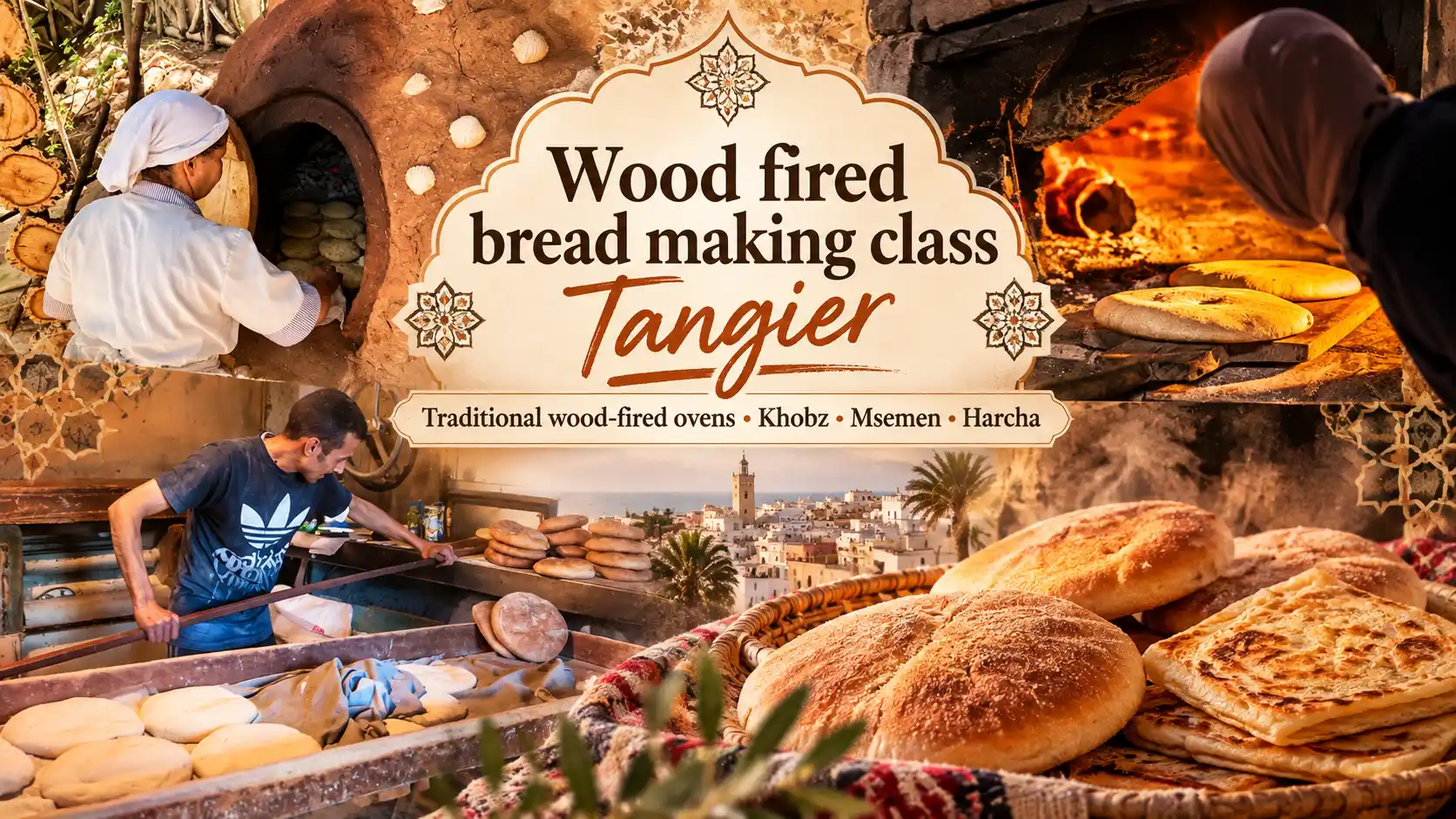
- Exclusive private groups, hands-on cooking in panoramic kitchens with wood-fired ovens
- Highlight seasonal ingredients, organic farming practices, and traditional recipes
What to Expect in a Typical Morocco Cooking Class
Most cooking classes, regardless of type, follow a similar structure:
- Introduction to Moroccan culinary culture: Insights into regional ingredient use and cooking techniques.
- Hands-on or demonstration phase: Learning to prepare a set menu of Moroccan dishes (tagines, salads, bread, desserts).
- Meal sharing: Enjoy the dishes you made together, often paired with Moroccan mint tea or local wine.
- Recipe and ingredient tips: Take-home information for replicating dishes.
Some classes are purely demonstration-based with limited guest participation, while others emphasize full hands-on involvement, allowing you to chop, stir, season, and bake under expert guidance.
Demonstration vs. Hands-On Classes: What’s Best?
- Demonstration classes: You observe the chef preparing dishes with explanations. They’re ideal if you prefer a relaxed setting or want to focus on learning techniques visually. These tend to be shorter but less engaging.
- Hands-on classes: You actively participate in prepping, cooking, and plating. This often leads to a deeper appreciation and better retention of recipes. Hands-on participation is especially recommended for travelers wanting to practice Moroccan cooking skills.
Many travelers prefer a hands-on experience for its immersive nature and satisfaction of cooking your meal.
Group vs. Private Cooking Sessions
Both formats are prevalent:
- Group classes: Cost-effective and social; groups can range from 4 up to 20 or more people. Group dynamics vary; some participants enjoy meeting others, while others find large groups less personal.
- Private sessions: Customized, with personal attention from the chef. Ideal for couples, families, or friends wanting an exclusive experience. Typically pricier but offer more flexibility in dishes and pace.
Price Ranges Across Morocco’s Cooking Classes
Pricing varies based on location, format, duration, and exclusivity:
- Medina home kitchen classes: Approx. €25–45 per person for 2–3 hours.
- Riad classes: €30–60, often including market tours or meals.
- Market tour + cook: €40–70 per person, lasting 3–4 hours.
- Farm-to-table or estate classes: €50–90+, longer 4–5 hour sessions with transfers and private groups.
Tangier’s farm-to-table classes in the Mnar region, for example, offer a tiered pricing structure — from a €50 “Plant it Taste it” experience to a full €85 immersive session including garden harvesting, private groups, and port transfers.
Dietary Accommodations in Moroccan Cooking Classes
Most reputable classes can accommodate dietary restrictions such as vegetarian, vegan, gluten-free, or allergies. It is essential to communicate requirements clearly at booking.
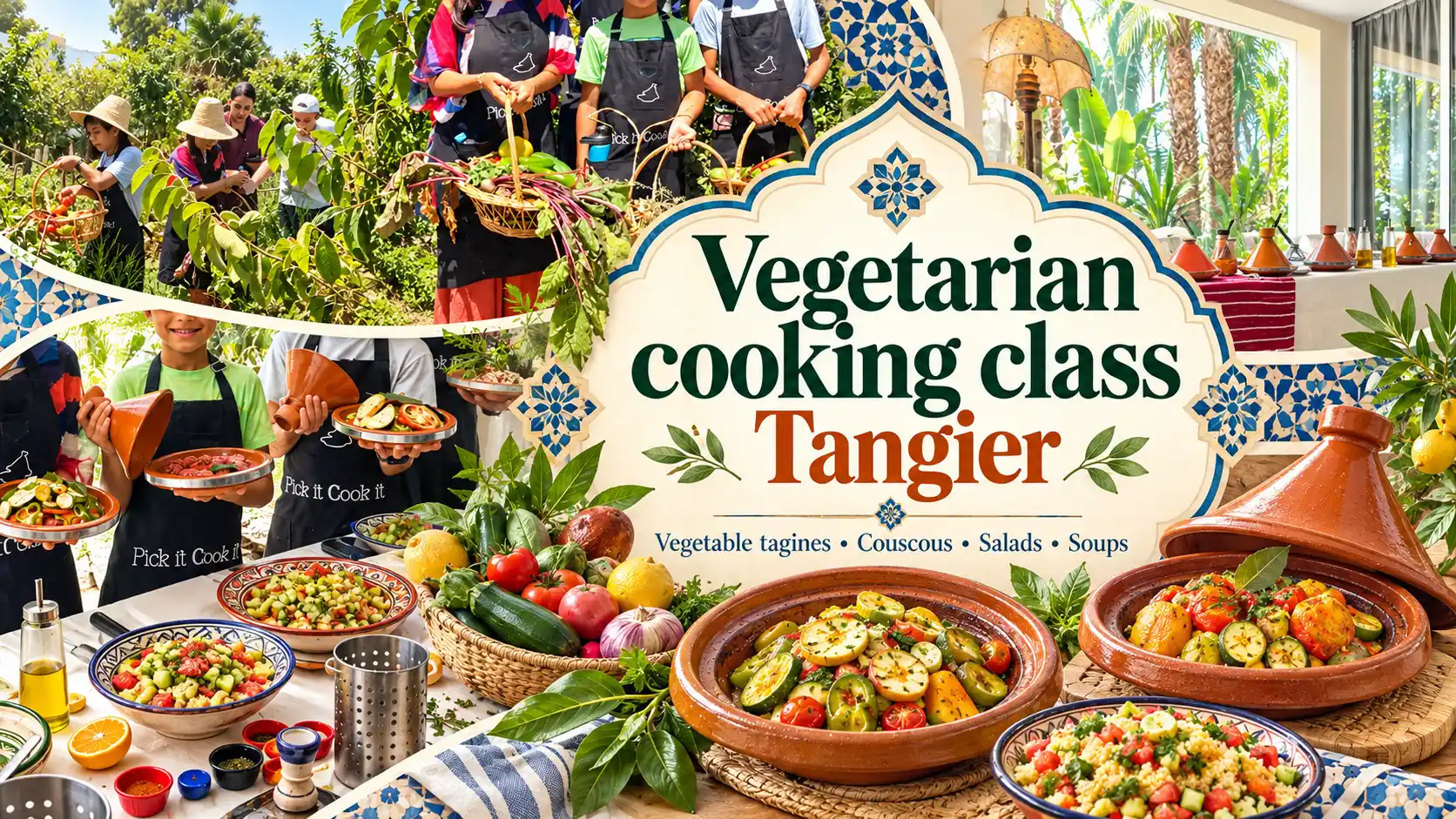
Traditional Moroccan cuisine is rich in vegetarian and healthy options, but care must be taken for gluten (some breads) or meat/seafood avoidance. Farm-to-table experiences offer greater flexibility thanks to fresh, organic ingredients.
What to Look For When Booking a Morocco Cooking Class
Booking the right class improves your culinary journey significantly. Prioritize:
- Hands-on participation: Engages you fully in the cooking process.
- Fresh, local ingredients: Authentic classes source from markets or gardens the same day.
- Private or small groups: More personalized attention and better atmosphere.
- Experienced local chefs: Knowledgeable instructors enhance authenticity.
- Transparent pricing: No hidden extras or pushy sales tactics.
- Time allocation: Sessions should be unrushed to allow learning and enjoyment.
- Positive reviews: Feedback from recent travelers provides trust.
- Inclusion of market or garden visits: Deepens connection to Moroccan food culture.
Red Flags to Avoid
- Classes relying heavily on pre-prepped ingredients with little to no harvesting or shopping.
- Overly rushed sessions crammed into 1 hour or less.
- Operators with a heavy sales focus on souvenirs or add-ons rather than the food experience.
- Large groups or classes where the chef rarely engages with participants.
- Non-transparent cancellation or refund policies.
- Lack of dietary accommodation — especially if you have allergies or restrictions.
Comparing Classes in Marrakech, Fes, Essaouira, and Tangier
Each Moroccan city offers distinct culinary class styles shaped by its culture and cuisine:
- Marrakech: Bustling medina with vibrant riad classes and market tours. Popular and tourist-heavy but with many quality options. Experiences tend to be shorter and often combined with guided city tours.
- Fes: Known for deep culinary traditions, Fes classes often delve into historic recipes and use authentic spices. Riad settings and home kitchens dominate, with a more classic Moroccan menu.
- Essaouira: Coastal city classes emphasize fresh seafood alongside Moroccan classics. Market tours include visits to the fishing port, and relaxed class environments reflect the laid-back vibe.
- Tangier: A crossroads city with European and Moroccan influences, classes here vary from medina kitchens to exclusive farm-to-table experiences. The Mnar region’s 6000m² organic garden offers arguably the most authentic immersive cooking classes in northern Morocco.
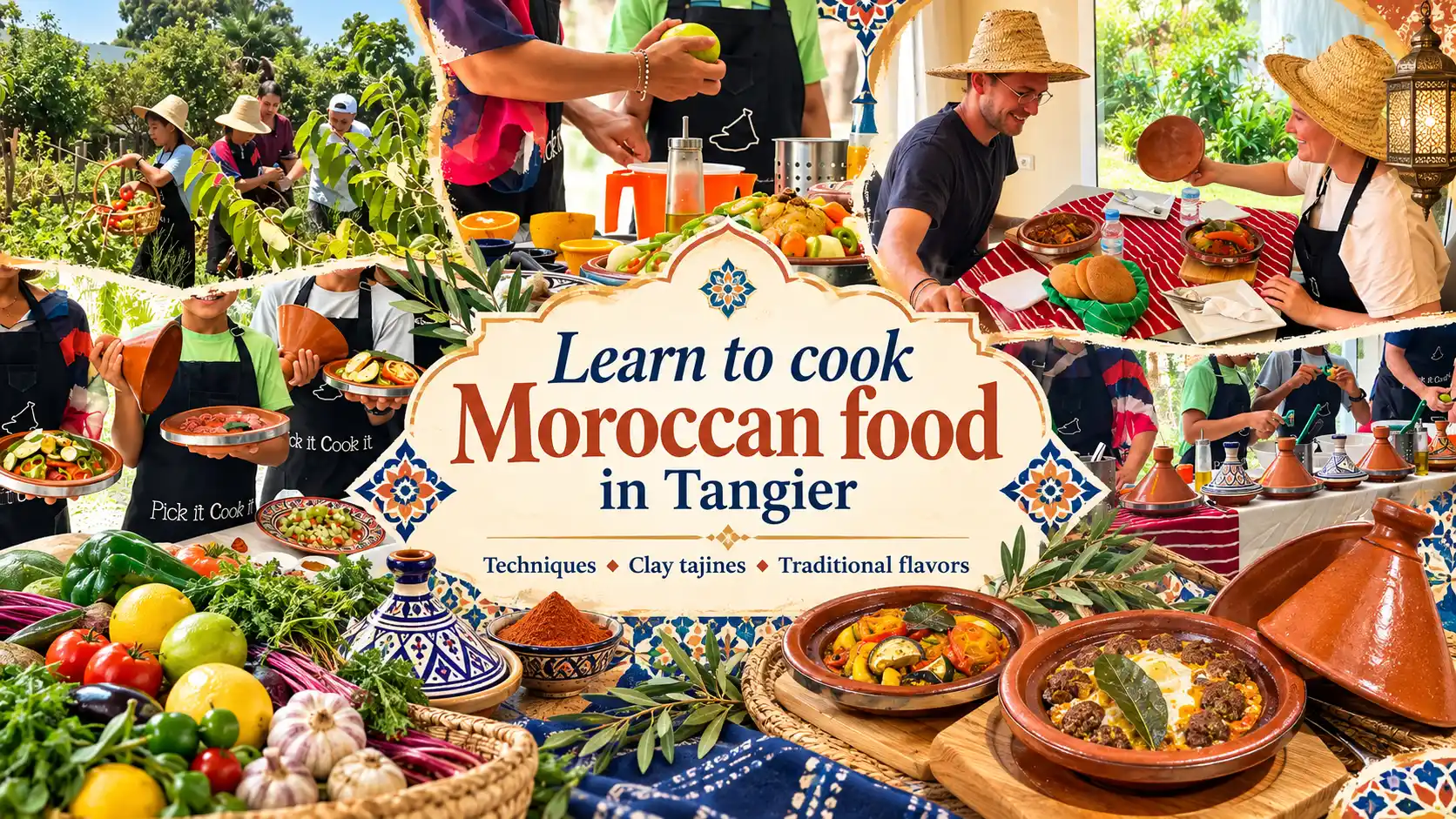
Among these options, engaging with a farm-to-table class like Tangier’s Pick It Cook It offers a uniquely hands-on and sensory experience where travelers harvest their ingredients before cooking — making it the pinnacle of Morocco cooking classes.
Tangier’s first immersive farm-to-table culinary experience, set in a 6000m² organic garden in the Mnar region, invites guests to participate fully from garden to glass kitchen, combining traditional recipes with fresh, organic produce in a relaxed private setting. This format provides unmatched authenticity compared to standard city-based classes.
Practical Tips for Booking and Participating in a Moroccan Cooking Class
- Book in advance, especially during high tourist seasons (spring and autumn).
- Ask about group size and whether sessions are private.
- Inquire about included services, such as market or port transfers.
- Communicate dietary needs upfront for proper accommodation.
- Bring comfortable clothing and a camera for the garden or market tours.
- Keep an open mind: Moroccan cooking involves lots of spices and slow cooking.
- Enjoy the social aspect: Many classes end with a shared meal — great for mingling.
FAQs – Morocco Cooking Class Guide
1. How long does a typical Moroccan cooking class last?
Classes usually range from 2 to 5 hours, depending on the format. Farm-to-table experiences in Tangier are longer (4–5 hours) due to harvesting and cooking phases.
2. Are cooking classes suitable for beginners?
Yes, most classes accommodate all skill levels. No prior cooking experience is required, especially in hands-on sessions offering personal guidance.
3. Can vegetarian or vegan diets be accommodated?
Absolutely. Most reputable classes customize menus to meet dietary restrictions, but it’s important to notify the operator beforehand.
4. Is it worth doing a market tour before cooking?
Yes, market tours add valuable context about Moroccan spices, produce, and shopping culture, enhancing your overall experience.
5. What makes farm-to-table classes different from traditional classes?
Farm-to-table classes involve harvesting your own ingredients from an organic garden or farm and cooking them fresh. This immersive format offers deeper connection to Moroccan culinary traditions and sustainability practices.
Conclusion
This Morocco cooking class guide underscores the rich diversity of culinary experiences available from medina kitchens to coastal riads and organic farms. While each city offers unique flavors and class styles, those seeking the most immersive and authentic connection to Moroccan cuisine should consider farm-to-table experiences like those in Tangier’s Mnar region. With fresh ingredients harvested moments before cooking, private groups, and expert guidance, these classes unlock the heart of Moroccan food culture in northern Morocco.
For travelers eager to harvest, cook, and savor genuine Moroccan flavors in a spectacular setting, exploring the immersive farm-to-table culinary experiences in Tangier is an opportunity not to be missed.
Booking your immersive Moroccan cooking class in Tangier is simple. Contact via WhatsApp +212 662 735 863 or explore options like the full Pick It Cook It Moroccan cooking class in Tangier for a hands-on farm-to-table experience tailored to your group.
Explore also their specialized Plant it Taste it class or classic Cook it class options to fit your schedule and travel plans.