Estimated reading time: 5 minutes.
- Discover the essentials of Moroccan spices, particularly ras el hanout.
- Learn how to blend your own spices for authentic flavors.
- Explore where to source fresh spices in Tangier.
Table of Contents
- What Is Ras El Hanout? The Crown Jewel of Moroccan Spices
- Cumin: The Backbone of Moroccan Savory Cooking
- Turmeric and Saffron: Golds of Northern Morocco
- The Role of Cinnamon and Ginger in Savory Moroccan Cuisine
- Paprika: Sweet and Hot Varieties
- Preserved Lemon: Morocco’s Iconic Flavor Enhancer
- Harissa and Chermoula: Building Blocks of Moroccan Spice Blends
- How to Build Your Moroccan Spice Pantry at Home
- Where to Buy Authentic Spices in Tangier, Morocco
- How to Blend Your Own Ras El Hanout
- Exploring Tangier Through Local Culinary Experiences
What Is Ras El Hanout? The Crown Jewel of Moroccan Spices
Ras el hanout, meaning “head of the shop,” refers to a top-quality spice blend crafted by Moroccan spice merchants. Traditionally comprising 15 to over 30 spices, it represents the pinnacle of a merchant’s expertise and the region’s spice heritage.
History and Meaning
The phrase ras el hanout denotes the finest offerings a spice seller can provide, often reserved for special occasions and signature dishes. Its exact composition varies widely—from city to city and merchant to merchant—reflecting local tastes and the availability of spices. This variability makes each blend unique, a fragrant fingerprint of Moroccan culinary culture that showcases the skillful balance of sweet, hot, earthy, and floral notes.
Typical Ingredients
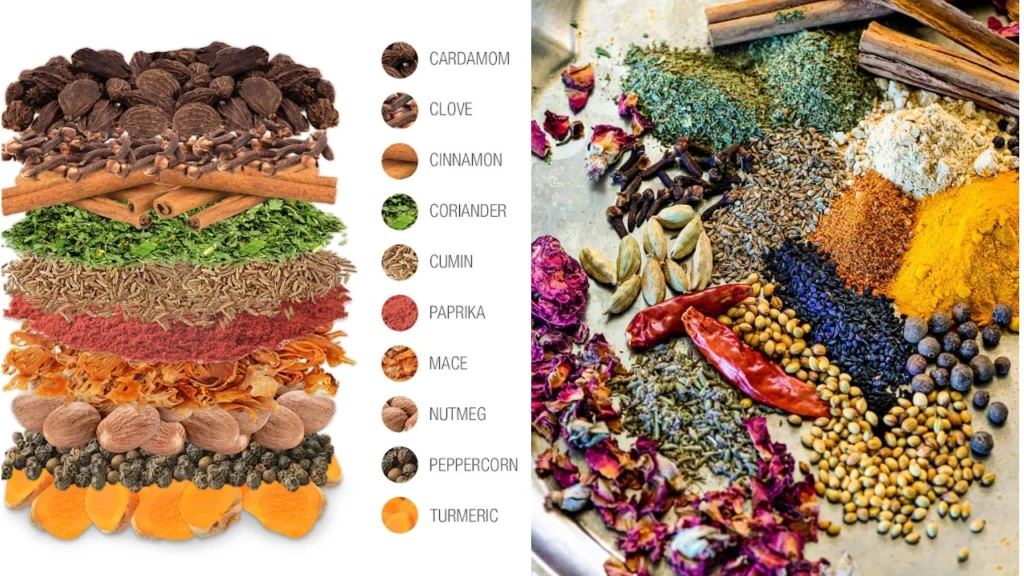
Common spices in ras el hanout include:
- Cumin
- Coriander
- Cinnamon
- Ginger
- Turmeric
- Paprika (both sweet and hot variants)
- Cloves
- Nutmeg
- Cardamom
- Mace
- Black pepper
- Allspice
- Aniseed
- Fennel seeds
- Rosebuds or lavender (sometimes for floral notes)
Each merchant adjusts proportions and adds signature ingredients, resulting in subtle flavor differences across Morocco’s cities, including Tangier.
Culinary Uses
Ras el hanout is often used in slow-cooked tagines, grilled meats, couscous, and even roasted vegetables, imparting warmth and depth without overpowering the dish. It pairs beautifully with preserved lemon and harissa for extra complexity.
Cumin: The Backbone of Moroccan Savory Cooking
Cumin’s earthy, nutty flavor defines much of Moroccan cuisine. It serves as a foundational spice in virtually every savory dish.
- Flavor profile: Warm, slightly bitter, and aromatic
- Uses: Essential for tagines, kefta (spiced meatballs), lentil soups, and even dips like zaalouk
- Pairing: Goes well with coriander, turmeric, paprika, and garlic
In Tangier’s medina markets, fresh cumin seeds and ground cumin powder are widely available and often fresher and more pungent than imported varieties.
Turmeric and Saffron: Golds of Northern Morocco
Turmeric
Turmeric brings vibrant color and a mild earthy bitterness that balances rich Moroccan stews. It is primarily used in tagines and rice dishes.
Saffron
Known as the world’s most expensive spice, saffron offers a delicate floral aroma and slight honeyed bitterness. Genuine Moroccan saffron is prized for its deep red stigmas and subtle power.
How to spot real saffron:
- True saffron threads are trumpet-shaped with red-orange stigmas and a slight yellow end.
- Fake saffron is often synthetic or dyed. Rub a strand between fingers; real saffron stains them red but does not crumble easily.
- The scent should be strong but nuanced, with a distinctive honey-like aroma.
Saffron is a key ingredient in festive dishes like b’stilla and seffa couscous.
The Role of Cinnamon and Ginger in Savory Moroccan Cuisine
Unlike many Western kitchens where cinnamon and ginger are sweet spices, Moroccan cuisine uses these for savory depth:
- Cinnamon: Adds warmth and a sweet-spicy scent, frequently added to lamb and chicken tagines, stews, and bastilla.
- Ginger: Provides gentle heat and brightness, commonly blended with garlic and turmeric in marinades and slow-cooked dishes.
Together, they balance richness and highlight meat’s natural flavors.
Paprika: Sweet and Hot Varieties
Paprika is a versatile spice with two main types used in Moroccan cooking:
- Sweet paprika: Mild, smoky, adds color and sweetness to rice and vegetable dishes.
- Hot paprika: Offers heat and a sharp bite, often incorporated in harissa and spice rubs.
Both types are essential in chermoula, a marinade for fish or meat combining parsley, garlic, lemon, and spices.
Preserved Lemon: Morocco’s Iconic Flavor Enhancer
Preserved lemon is lemon rind fermented in salt, bringing an intense citrus punch that is salty, bitter, and slightly fermented.
- Use: Added to tagines with chicken or fish, salads, and sauces.
- Flavor impact: Brightens dishes while adding umami and complexity.
Harissa and Chermoula: Building Blocks of Moroccan Spice Blends
Harissa
A fiery paste made from chili peppers, garlic, cumin, coriander, and olive oil. It is used sparingly to add heat to stews, couscous, and grilled meats.
Chermoula
A zesty herb and spice marinade blending cumin, paprika, coriander, garlic, parsley, and lemon juice. It is commonly used to marinate fish and seafood along Tangier’s coastal towns.
How to Build Your Moroccan Spice Pantry at Home
Recreating Moroccan flavors requires assembling a core set of spices that can be mixed and matched:
- Cumin (whole and ground)
- Coriander seeds
- Paprika (sweet and hot)
- Turmeric
- Cinnamon sticks or ground cinnamon
- Ginger powder
- Saffron threads (invest in quality)
- Cloves
- Cardamom pods
- Nutmeg (whole or ground)
- Preserved lemon (available in jars or homemade)
- Harissa paste (store-bought or homemade)
- Fresh herbs (parsley, cilantro, mint from your garden)
Where to Buy Authentic Spices in Tangier, Morocco
Tangier’s medina is a treasure trove of spices. Key spots include:
- Grand Socco Market: Bustling market filled with fresh and dried spices.
- Local spice stalls in the medina: Where merchants sell custom blends and fresh herbs.
- Souks near the Tangier port: Authentic merchants often offer rare spices and high-grade saffron.
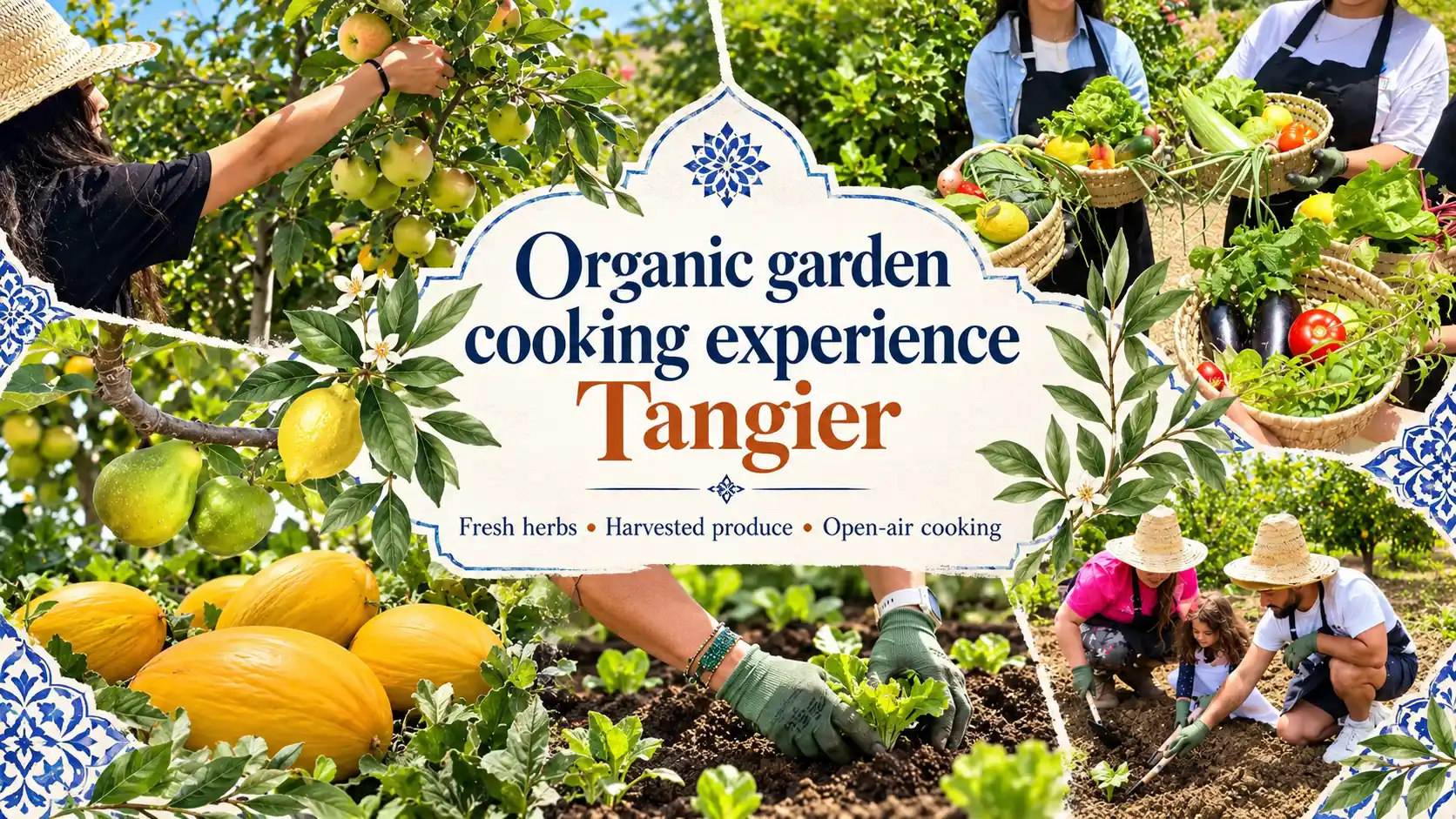
For those seeking an immersive experience, visiting the Mnar organic garden area offers fresh herbs and spices in their raw form.
How to Blend Your Own Ras El Hanout
Creating ras el hanout at home is a rewarding process blending ground and whole spices.
Basic approach:
- Toast whole spices such as cumin, coriander, cloves, cardamom, and fennel seeds briefly to release oils.
- Grind toasted spices alongside pre-ground ingredients like cinnamon, paprika, turmeric, nutmeg, and ginger.
- Mix all components, adjusting proportions to balance sweetness, warmth, and heat according to preference.
- Store in an airtight container, away from light to maintain freshness.
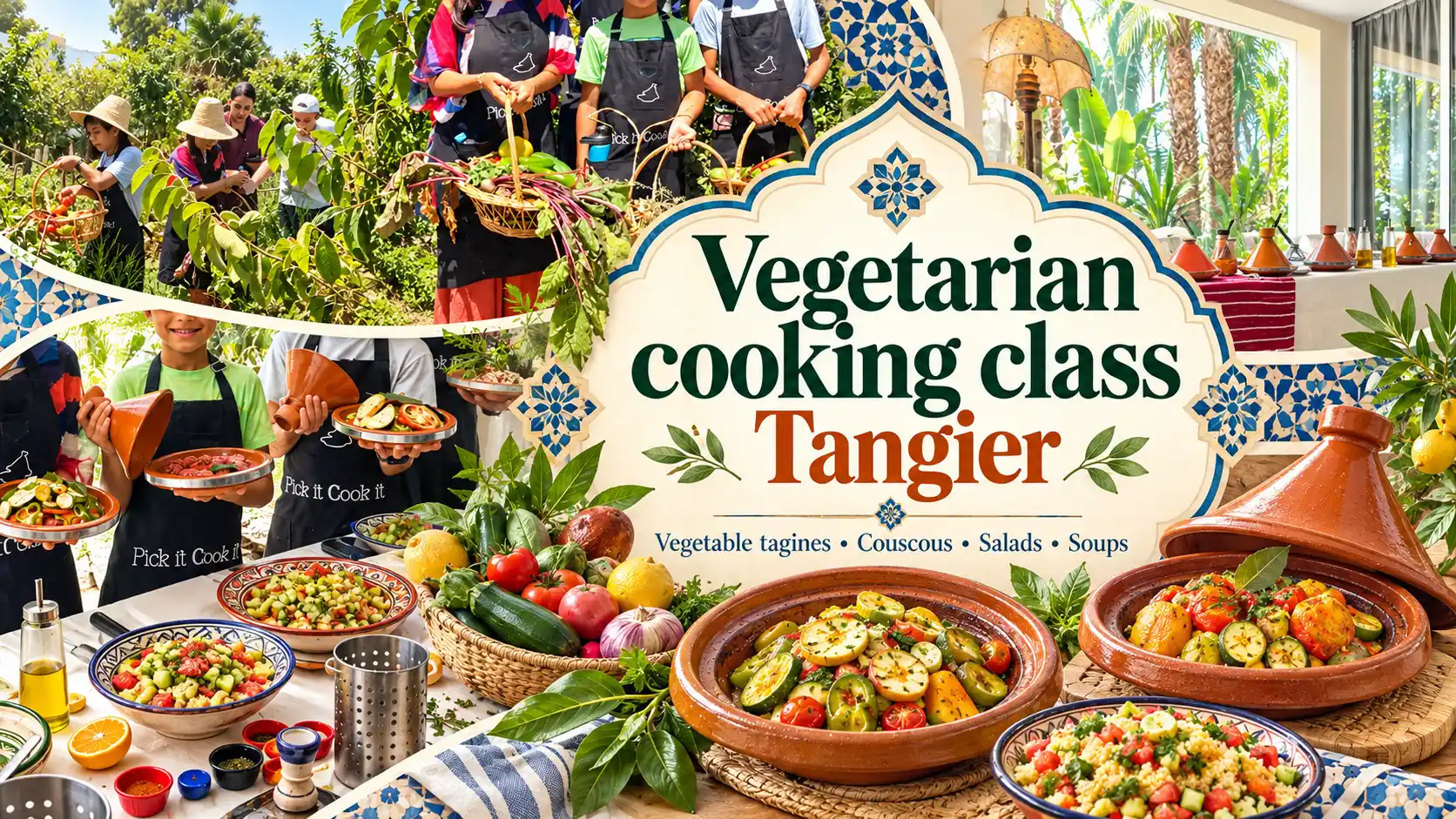
Guests at Pick It Cook It learn these techniques firsthand, mastering the skill of building spice bases from scratch with fresh herbs grown in a 6000m² organic garden in the Mnar region. The chef explains the role of each spice as it is added, making it a unique Moroccan culinary experience that goes beyond simple cooking classes.
Exploring Tangier Through Local Culinary Experiences
Tangier offers more than just spices—its markets, medina, and coastal views enrich the culinary journey. Visitors often explore the ancient medina’s spice stalls, savor fresh seafood near the port, or bask in views from Cap Spartel. For travelers focused on immersive learning, participating in a cooking class in Tangier that integrates farm-fresh herbs and traditional spice knowledge provides unparalleled insight into Moroccan gastronomy.
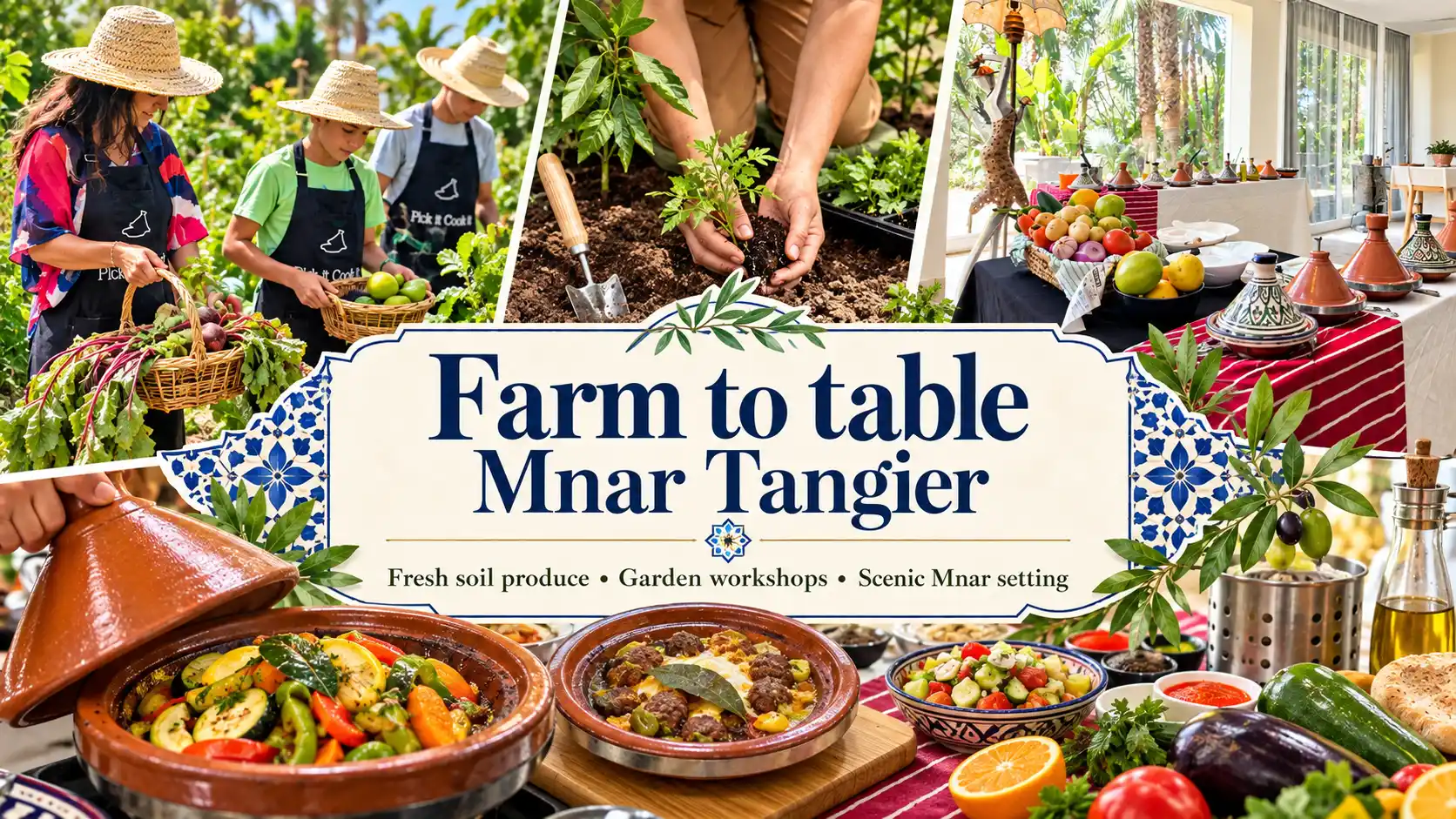
Tangier’s first immersive farm-to-table culinary experience, set in a 6000m² organic garden in the Mnar region, offers a hands-on way to connect with local flavor traditions, including expert lessons on ras el hanout and fresh spice blends.
Frequently Asked Questions About Moroccan Spices
1. What does “ras el hanout” mean?
It means “head of the shop,” signifying the best spice blend a merchant offers.
2. How can I tell if saffron is real?
Real saffron has trumpet-shaped stigmas, stains fingers red without crumbling, and has a strong honey-like aroma.
3. Can ras el hanout be homemade?
Yes, by toasting and blending multiple spices such as cumin, coriander, cinnamon, cloves, and paprika, you can create an authentic ras el hanout.
4. What dishes use preserved lemon?
Preserved lemon is commonly used in chicken, fish tagines, and Moroccan salads to add bright, complex flavors.
5. Where is the best place to buy spices in Tangier?
The Grand Socco market and spice stalls in the medina near Tangier port are top choices for fresh, authentic spices.
Explore these aromatic traditions and deepen your culinary expertise with authentic Moroccan spices. Whether experimenting at home or visiting northern Morocco, these fragrant ingredients unlock the essence of Tangier’s rich food culture. For travelers, hands-on experiences at Pick It Cook It offer a rare opportunity to learn the art of Moroccan spice blending in a stunning natural setting.
Booking Information:
To reserve your spot for an unforgettable culinary adventure, contact via WhatsApp at +212 662 735 863 or visit:
– Cooking Class in Tangier
– Pick It Cook It Moroccan Cooking Class
– Plant It Taste It Moroccan Cooking Class