Reading time: 5 minutes
Quick answer: A wood fired bread making class in Tangier is a hands-on workshop where participants learn to prepare traditional Moroccan breads like khobz, msemen, and harcha using authentic clay wood-fired ovens that reach temperatures above 300°C. This experience captures the unique smoky aroma and distinct crust textures that define artisan Moroccan bread baking.
Key Takeaways
- Classes focus on three staple breads: khobz, msemen, and harcha.
- Wood-fired ovens achieve temperatures over 300°C, enhancing crust and flavor.
- Participants receive a detailed Moroccan recipe card for reproducing dishes at home.
Table of Contents
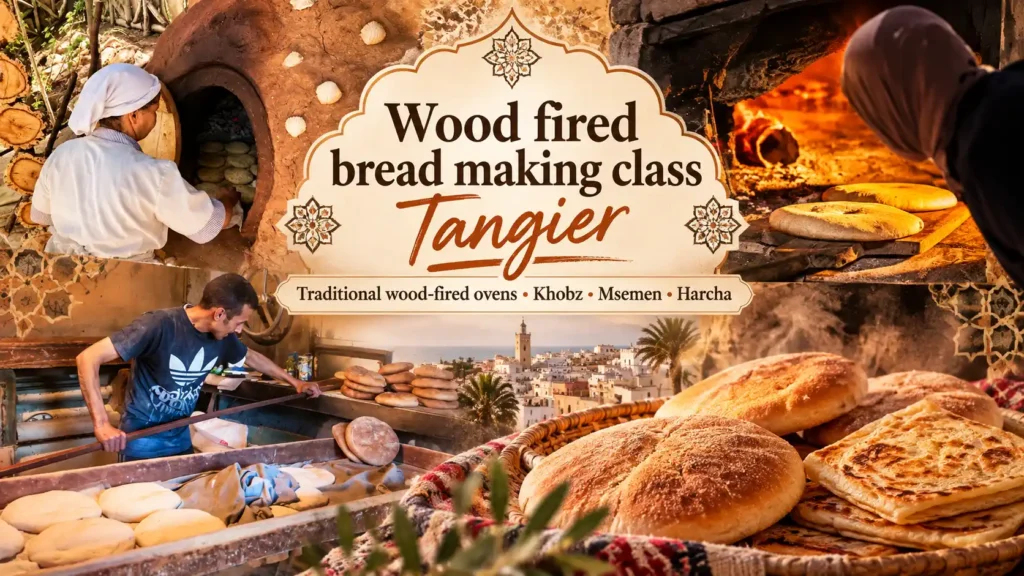
Wood fired bread making classes in Tangier offer a rare opportunity to engage directly with Morocco’s rich baking traditions. At these workshops, food lovers and culinary travelers learn how to craft iconic breads such as khobz, msemen, and harcha, all baked in traditional clay ovens heated by wood fires. These ovens reach temperatures above 300°C, imbuing the bread with a characteristic crunchy crust and a distinctive smoky flavor that cannot be replicated using modern appliances. Learning to use a wood-fired oven not only connects participants with Moroccan culinary heritage but also reveals the practical skills and patience involved in this ancient craft. For travelers visiting northern Morocco or cruise passengers docking in Tangier, joining such a class transforms their trip into an immersive cultural experience, blending hands-on cooking with regional flavors. This article explores how wood fired bread making classes in Tangier blend tradition, technique, and taste, with useful guidance for booking the ideal culinary journey.
What Makes a Wood Fired Bread Making Class in Tangier Unique
Wood fired bread making classes in Tangier offer an authentic artisan baking experience using traditional clay ovens that reach temperatures over 300°C. Unlike conventional electric or gas ovens, these clay ovens provide intense, radiant heat combined with a subtle smoky aroma, resulting in breads with distinct textures and flavors. The high temperatures are essential for creating khobz’s characteristic crisp crust, msemen’s flaky layers, and harcha’s crumbly yet tender texture.
Temperatures exceeding 300°C allow the dough’s exterior to caramelize rapidly, sealing moisture inside while producing a crunchy outer layer infused with wood smoke. This combination creates breads that are both flavorful and texturally complex. Workshops include hand-kneading dough from scratch using local ingredients, often freshly picked from nearby organic gardens, enhancing freshness and connection to northern Moroccan agricultural heritage.
Classes feature detailed instruction on oven management—from controlling the wood fire to adjusting baking times and positioning dough for optimal heat exposure. Moroccan breads baked in these conditions hold cultural significance, often accompanying dishes like tagine, harira, and couscous. Their preparation showcases techniques passed down through generations, thereby preserving the culinary identity of Tangier and surrounding regions.
The Essential Moroccan Breads Taught in Wood Fired Bread Making Classes Tangier
Wood fired bread making classes in Tangier focus on three staple breads: khobz, msemen, and harcha. Each bread has unique ingredients and textures, reflecting Morocco’s diverse regional baking styles.
Khobz is the classic round Moroccan bread, often used as a utensil to scoop tagines or dips. It is made from white or whole wheat flour, yeast, water, and salt, hand-shaped into a flat, circular loaf. When baked in a wood-fired clay oven at over 300°C, it develops a golden brown crust with a chewy interior.
Msemen is a flaky, square-shaped layered bread created by folding thin dough sheets brushed with oil and semolina. Once cooked on a griddle or in a hot oven, it develops a crispy exterior with tender layers inside. Msemen is served for breakfast or with savory toppings like chermoula or honey.
Harcha is a semolina-based flatbread with a crumbly texture, traditionally cooked on a griddle but also adaptable to wood-fired ovens. Its mild nutty flavor complements strong Moroccan spices such as ras el hanout, cumin, and preserved lemon often used in accompanying dishes.
These breads emphasize the skill required to master Moroccan baking techniques and how using a wood-fired oven enhances their sensory qualities. Workshops guide participants through each step, from mixing and kneading to shaping and timing the baking, offering a comprehensive understanding of how these breads fit into Morocco’s culinary landscape.
How Traditional Clay Wood-Fired Ovens Shape Moroccan Bread Baking
Traditional clay wood-fired ovens in Morocco reach oven temperatures above 300°C, making them indispensable tools for authentic bread baking. These ovens consist of a dome-shaped chamber built from clay or a mixture of clay and sand, designed to retain heat efficiently while imparting a gentle smoky aroma.
The heat source is wood fire, typically burning hardwoods that produce strong, consistent heat and aromatic smoke. When the fire reaches optimum temperature, coals and ash are pushed aside or removed, leaving the radiant heat inside the oven for baking.
The temperature and radiant heat inside the oven create bread crusts impossible to achieve with standard kitchen appliances. Bread placed directly on the oven floor crisps on the bottom while baking evenly on top. The high heat also induces subtle chemical reactions like caramelization and Maillard browning that provide rich flavors.
Controlling the wood fire and managing oven temperature require experience, balancing burning fuel and baking time to avoid overcooking or underbaking. Wood-fired ovens typically maintain heat long after the fire is extinguished, allowing for successive batches of bread to be baked without reheating.
Using this method deeply connects bakers to Moroccan culinary heritage. It celebrates sustainable, local materials and traditional cooking philosophies, promoting an environmentally friendly approach grounded in respect for nature, seasonality, and craftsmanship.
Wood Fired Bread Making Class Tangier at Pick it Cook it in Mnar
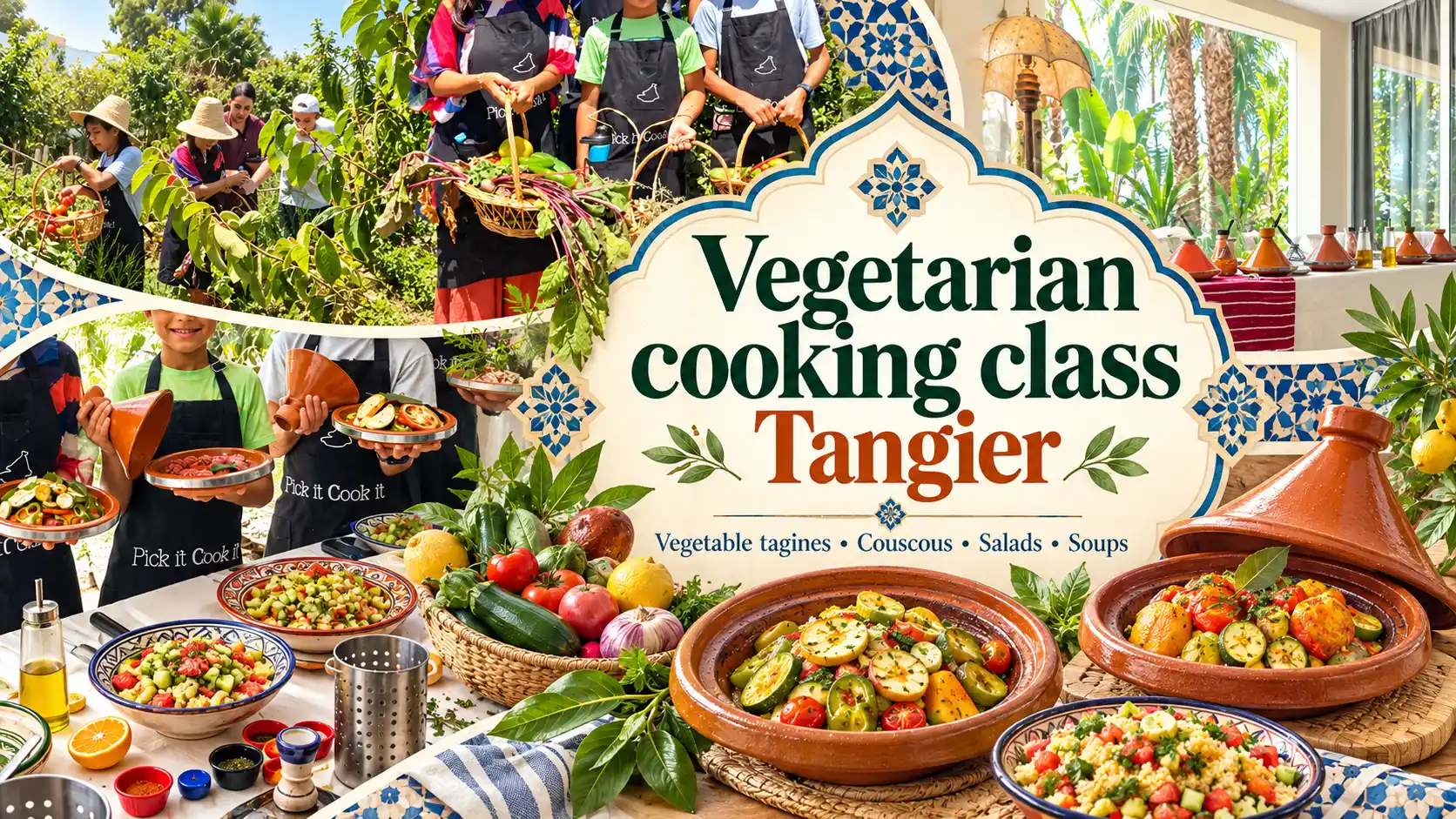
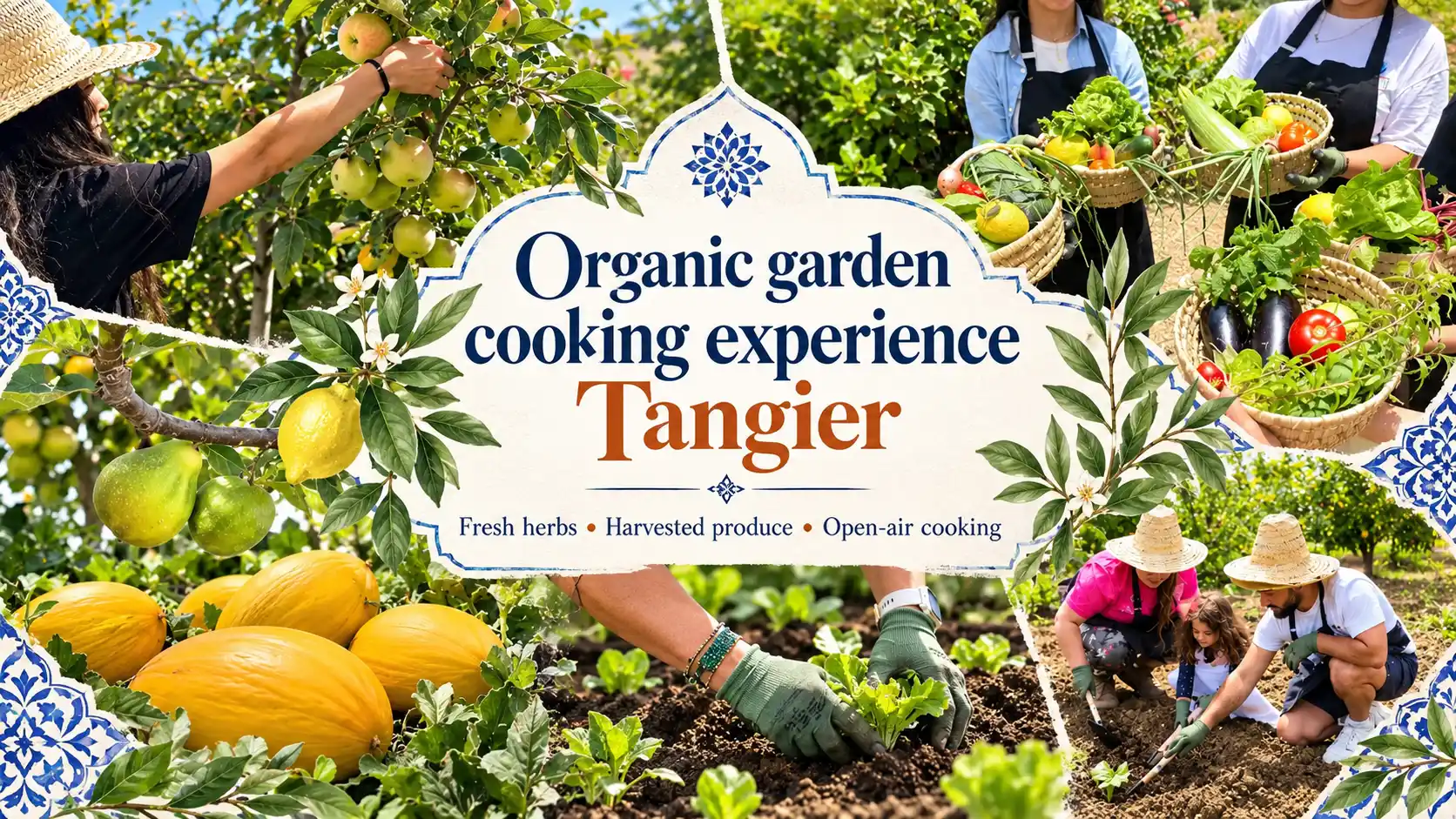
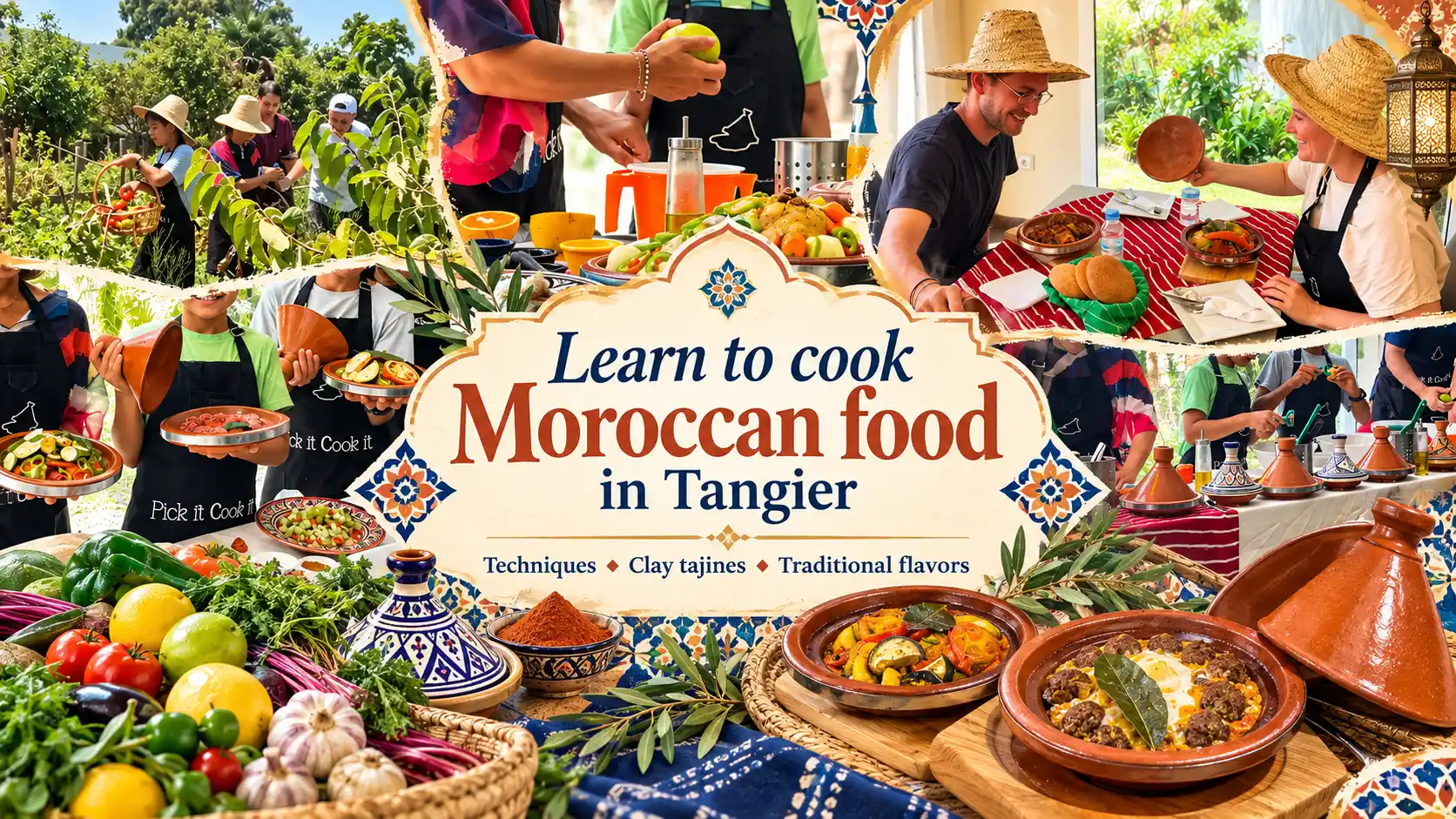
Pick it Cook it offers a wood fired bread making class in Mnar, just outside Tangier, that combines hands-on artisan baking with a unique farm-to-table culinary experience. Set within a 6,000 m² organic garden estate, the class teaches guests to prepare traditional Moroccan breads like khobz, msemen, and harcha using an authentic clay wood-fired oven.
What distinguishes this experience is the panoramic glass kitchen with 360° views over the Mediterranean, allowing participants to connect with the natural surroundings while learning traditional techniques. The estate provides fresh, organic ingredients harvested on site, ensuring an authentic taste of northern Morocco’s flavors.
The class runs approximately 2.5 to 3 hours, including a port pick-up for cruise passengers arriving at Tangier’s cruise terminal. Pick it Cook it hosts private groups of 2 to 40 people, offering both intimate and larger group sessions. Prices start from 50€ per person.
Beyond bread making, participants receive a detailed Moroccan recipe card, guiding them to recreate dishes at home. This cooking class represents a rare opportunity to engage with Tangier’s culinary traditions directly in a sustainable setting that honors local agriculture and authentic baking methods. Bookings can be made at pickitcookit.com or via WhatsApp.
Frequently Asked Questions
What is a wood fired bread making class in Tangier?
It is a hands-on workshop in Tangier where participants learn to bake traditional Moroccan breads using authentic clay wood-fired ovens that reach over 300°C, creating breads with unique crusts and smoky aromas.
How do you make Moroccan khobz in a wood-fired oven?
The process involves mixing flour, water, yeast, and salt, kneading the dough, letting it rise, shaping it into flat rounds, then baking in a clay oven at temperatures above 300°C until the crust is golden and crisp.
Why are clay wood-fired ovens essential in Moroccan bread baking?
Clay wood-fired ovens maintain intense heat and create a smoky aroma, producing bread with crispy crusts and tender interiors that cannot be replicated by modern ovens.
Can cruise passengers join wood fired bread making classes in Tangier?
Yes, many classes, including Pick it Cook it in Mnar, offer port pick-up services from the Tangier cruise terminal and tailor sessions for cruise passengers’ schedules.
What breads are typically taught in a wood fired bread making class in Tangier?
The main breads taught are khobz (Moroccan round bread), msemen (layered flatbread), and harcha (semolina flatbread), all baked traditionally in wood-fired ovens.
Wood fired bread making classes in Tangier provide an immersive way to connect with Moroccan culinary traditions through hands-on baking experiences using authentic clay ovens heated above 300°C. Learning to prepare khobz, msemen, and harcha in this traditional manner highlights the textures, flavors, and techniques that define northern Morocco’s artisan breads. For those visiting Tangier, especially culinary travelers and cruise passengers, these classes offer a memorable shore excursion blending local ingredients, sustainable practices, and regional hospitality. Pick it Cook it offers the wood fired bread making class as part of its farm-to-table experiences in Mnar, Tangier, where guests benefit from fresh organic produce, a panoramic glass kitchen, and expert guidance. Book your experience directly at pickitcookit.com or connect via WhatsApp to join a truly authentic Moroccan culinary journey.