Estimated reading time: 7 minutes.
- Explore vibrant medinas and historical landmarks.
- Experience memorable culinary activities.
- Enjoy beautiful natural attractions.
- Relax at coastal beaches and cafes.
- Consider convenient day trips for diverse experiences.
Table of Contents
- Exploring the Heart of Tangier: Medina, Grand Socco, and Kasbah
- Iconic Natural and Cultural Sites
- Coastal Relaxation: Beaches and Seaside Cafés
- Day Trips from Tangier
- The Culinary Experience: A Must-Do in Tangier
- Practical Tips for Visiting Tangier
- Additional Unique Experience: Markets and Artisan Workshops
- Conclusion: The Ultimate Things to Do Tangier Morocco
Exploring the Heart of Tangier: Medina, Grand Socco, and Kasbah
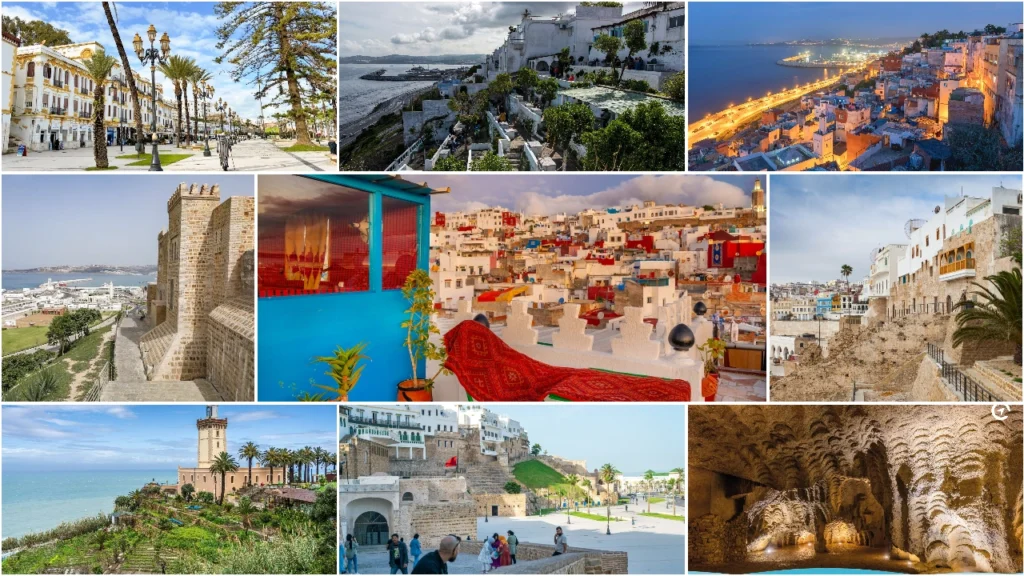
The medina of Tangier is the pulsating core of the city’s history and daily life. Its maze of narrow streets lined with souks, artisan workshops, and local cafés offers an authentic Moroccan atmosphere.
- Grand Socco: This large, bustling square serves as the medina’s gateway and is a prime spot for people-watching and experiencing Tangier’s lively street life. Here, you’ll find vendors selling fresh produce, spices, and crafts.
- Kasbah and Kasbah Museum: Overlooking the medina, the Kasbah is a fortress steeped in history and offers stunning views over the city and Mediterranean Sea. The Kasbah Museum inside showcases artifacts from Tangier’s rich past, including archaeological finds and traditional arts.
- American Legation Museum: Unique to Tangier, this is the only US National Historic Landmark located outside the United States. The museum pays tribute to the long-standing diplomatic ties between Morocco and the US and features exhibits on Moroccan-American relations, art, and history.
Iconic Natural and Cultural Sites
- Cap Spartel Lighthouse: Located where the Atlantic Ocean meets the Mediterranean Sea, Cap Spartel offers spectacular panoramic views. It’s one of Tangier’s best natural attractions. Close by are the Borj al-Amerik fortress and nearby seaside walks.
- Caves of Hercules: Just a short drive from the city, these caves are shrouded in mythology and provide a fascinating geological and cultural visit. The cave openings look out toward the Atlantic, making it a popular sunset spot.
Coastal Relaxation: Beaches and Seaside Cafés
- Merkala Beach: For those seeking relaxation, Merkala offers a quiet beach experience near Tangier city, ideal for sunbathing and swimming in clear northern Moroccan waters.
- Café de Paris and Place de France: Located near the medina, these historic spots are perfect for enjoying traditional Moroccan mint tea or coffee while soaking in the colonial-era architecture and lively street scenes.
Day Trips from Tangier
To fully appreciate northern Morocco’s diversity, consider:
- Asilah: A charming coastal town known for its white-washed buildings and vibrant art scene. Asilah’s medina hosts colorful murals and galleries and is perfect for a half-day or full-day excursion.
- Chefchaouen: The famous “Blue City” lies about a two-hour drive away and is celebrated for its striking blue-washed buildings and relaxed atmosphere. It offers hiking opportunities, authentic Moroccan cuisine, and artisan markets.
The Culinary Experience: A Must-Do in Tangier
Understanding Tangier’s food culture is best achieved firsthand through a cooking class. Moroccan cuisine is deeply rooted in history and tradition, with influences spanning Arab, Berber, Andalusian, and Mediterranean cultures.
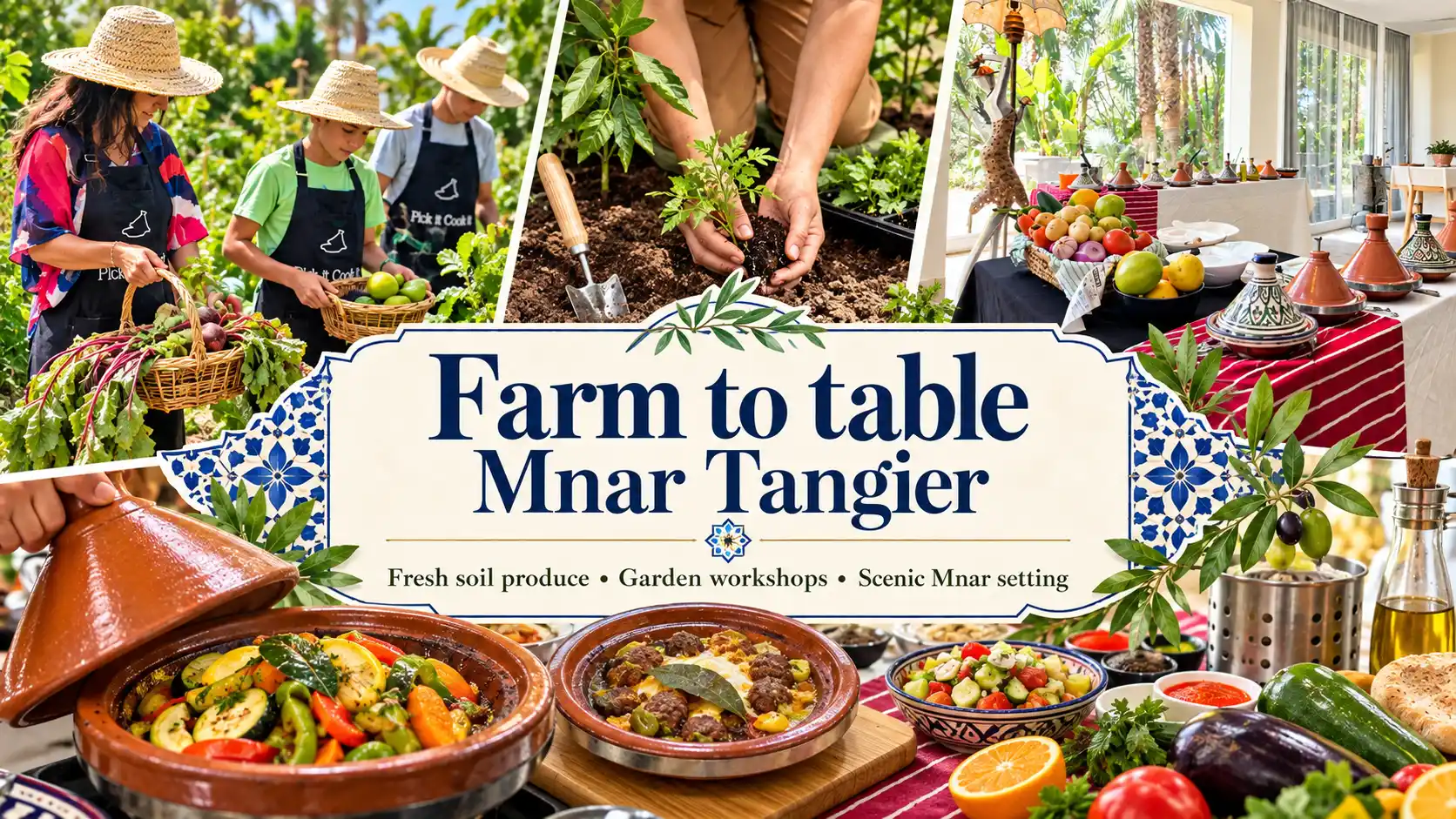
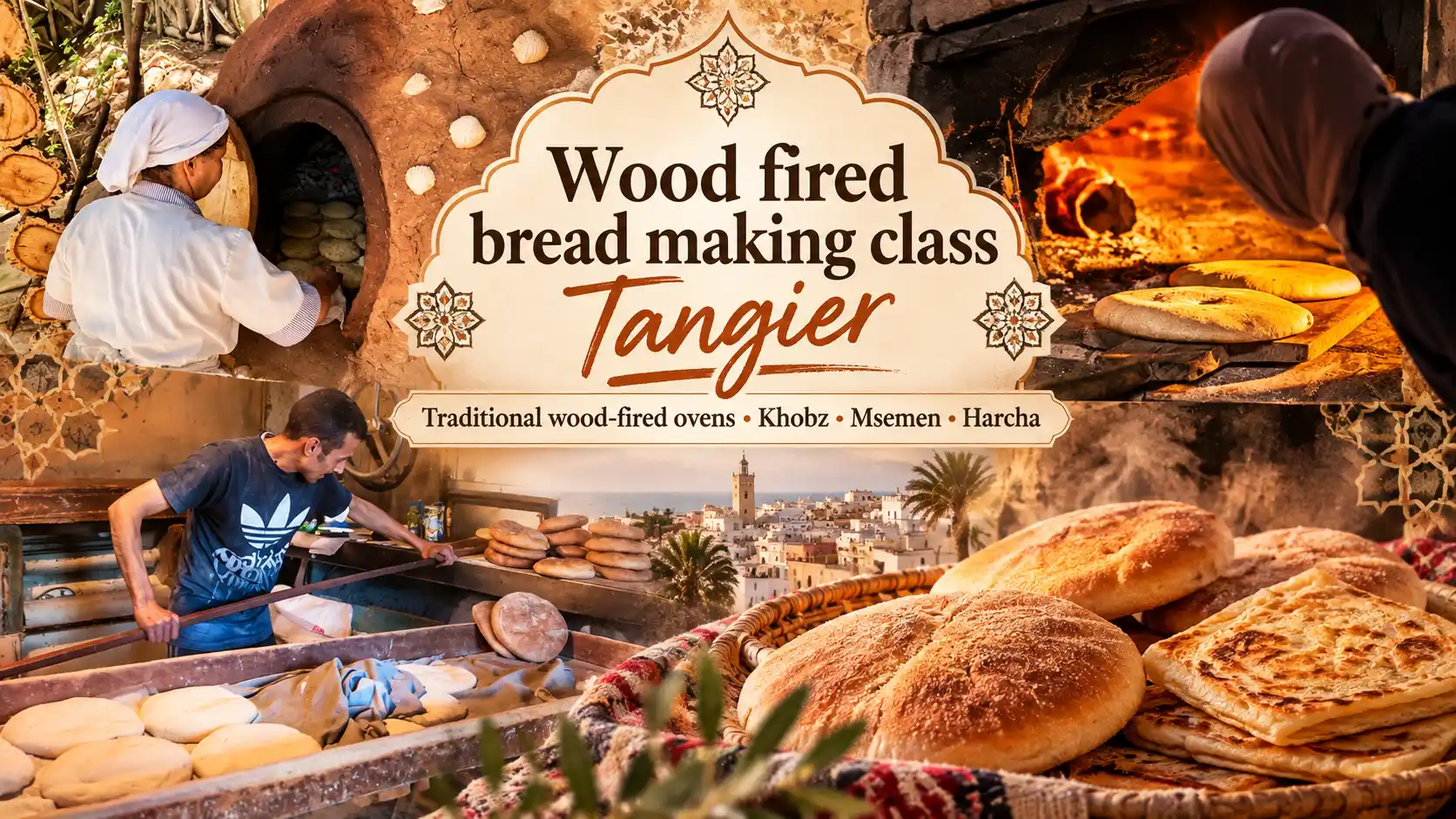
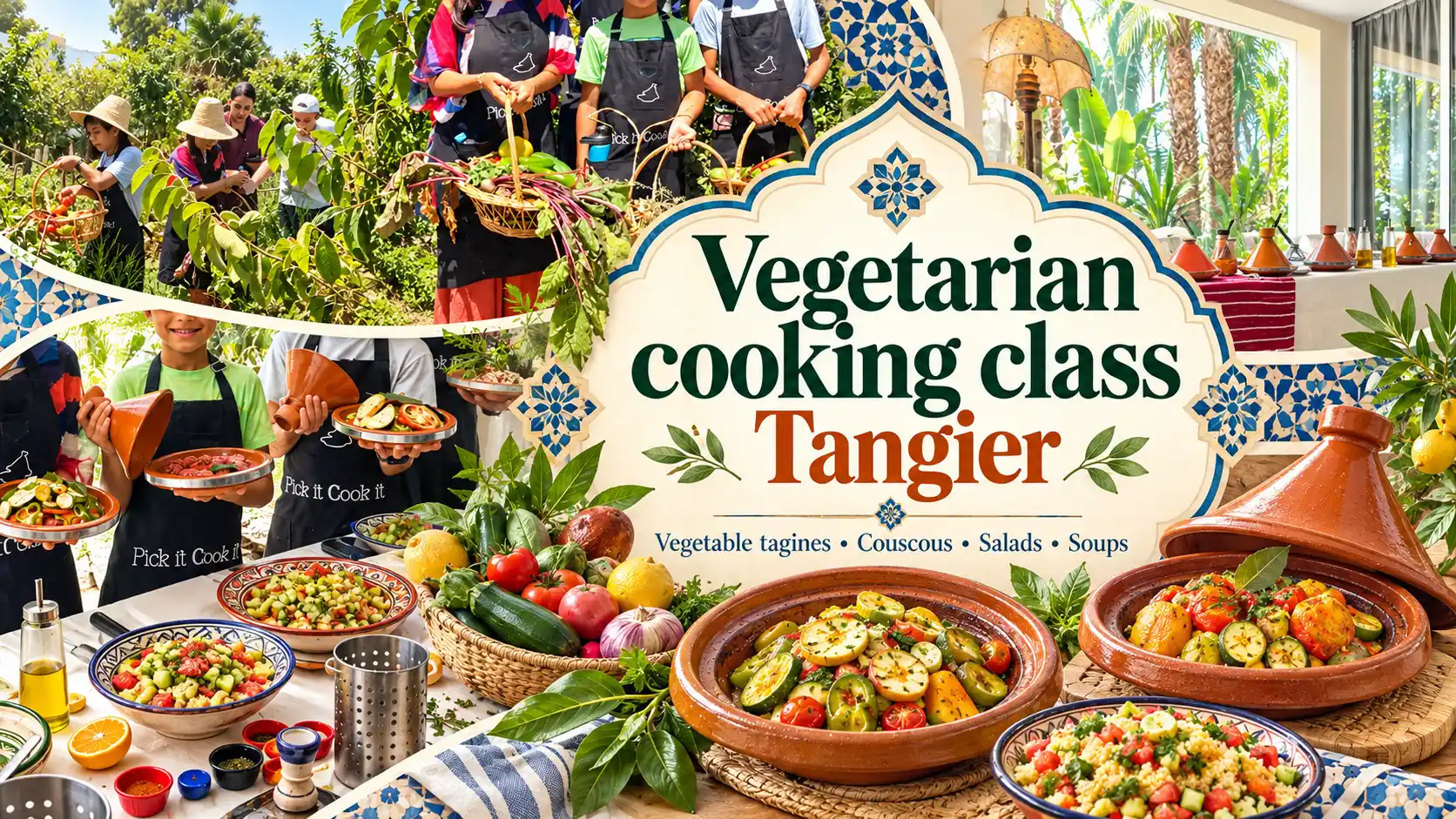
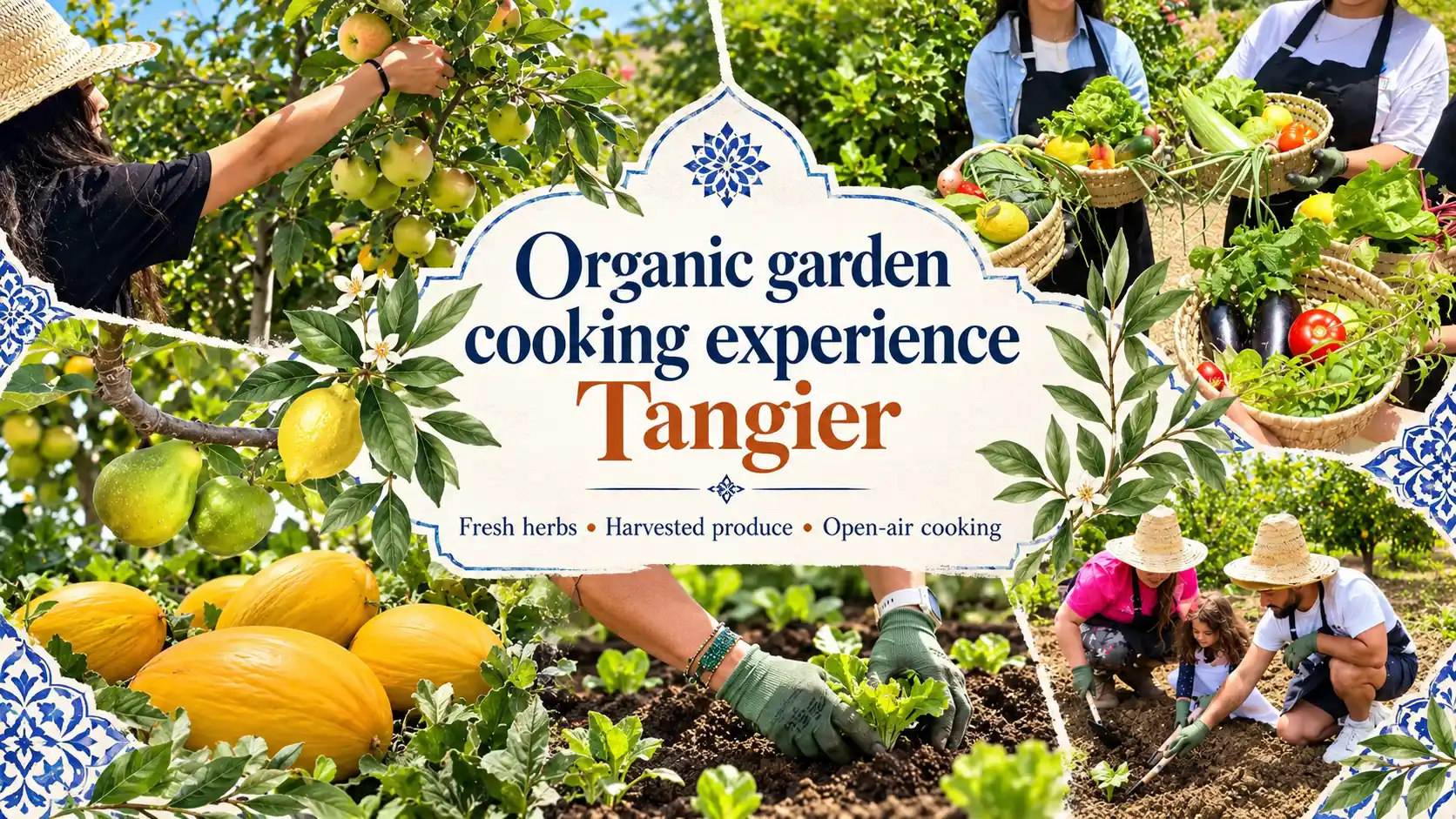
One of the most rewarding and immersive things to do Tangier Morocco is a farm-to-table culinary experience in the Mnar region. Set in a 6000m² organic garden, this experience allows travelers to pick fresh ingredients directly from the earth, learn recipes in a panoramic glass kitchen with 360-degree views of the Mediterranean, and cook using traditional wood-fired ovens. This hands-on approach is not only a feast for the taste buds but also a deep dive into local agricultural practices, ingredient seasonality, and cultural ritual — a truly authentic encounter with Tangier’s food heritage.
Tangier’s first immersive farm-to-table culinary experience, set in a 6000m² organic garden in the Mnar region, offers both private and group sessions tailored to showcase the full scope of Moroccan cooking traditions. This is a unique opportunity for travelers who want more than just sightseeing – you engage with local farmers, chefs, and culinary history all in one unforgettable activity.
Learn more about Moroccan cooking classes in Tangier to elevate your visit beyond the usual tourist itinerary.
Practical Tips for Visiting Tangier
- Best Time to Visit: Spring (March to May) and Autumn (September to November) are ideal months. The weather is mild and comfortable, avoiding the intense heat of summer or the cooler rainy winter season.
- Getting Around: Tangier’s compact city center makes walking an easy and enjoyable option. For farther sites like Cap Spartel, Caves of Hercules, or day trips, consider taxis or organized tours. Negotiating cab fares in advance helps avoid misunderstandings.
- What to Eat: Don’t miss classic dishes such as
- Tagine: Slow-cooked stews combining meat, vegetables, nuts, and spices.
- Couscous: The iconic semolina dish often served with meat and vegetables.
- Pastilla: A savory-sweet pastry combining pigeon or chicken, almonds, and aromatic spices.
- Fresh seafood near the port or beach areas is also a must-try.
- What to Avoid: While Tangier is welcoming and safe for tourists, avoid carrying large amounts of cash and be cautious in crowded market areas. Be mindful of local customs and dress modestly, especially in religious sites.
Additional Unique Experience: Markets and Artisan Workshops
The medina’s markets are treasure troves for spices, ceramics, textiles, and traditional crafts. Visiting artisan workshops offers insights into Morocco’s rich handicraft heritage. The dynamic blend of colors, scents, and noises here encapsulates the city’s vibrant cultural tapestry.
Conclusion: The Ultimate Things to Do Tangier Morocco
Tangier’s eclectic charm lies in its seamless blend of history, culture, and natural beauty. Exploring the medina, visiting landmarks such as the Kasbah Museum and American Legation, enjoying seaside cafés, and experiencing the surrounding natural marvels like Cap Spartel and the Caves of Hercules form the core itinerary.
Yet, to truly grasp the heart of Tangier, participating in a farm-to-table cooking class in Mnar offers an unmatched sensory and cultural immersion. It bridges the gap between seeing and experiencing, making it the singular best way to connect with Tangier’s rich culinary and cultural landscape.
For bookings and detailed culinary experience options, contact Pick It Cook It via WhatsApp at +212 662 735 863 or visit their culinary class pages:
Frequently Asked Questions (FAQs)
Q1: What are the must-visit places in Tangier for history lovers? For history enthusiasts, the Kasbah, Kasbah Museum, and the American Legation Museum offer rich insights into Tangier’s multicultural past and strategic importance.
Q2: How can I get from Tangier city center to Cap Spartel and the Caves of Hercules? You can reach Cap Spartel and the Caves of Hercules by taxi or organized tour. The sites are approximately 12–15 km from the city center, about a 30-minute drive.
Q3: What is the best way to experience Moroccan cuisine in Tangier? Taking a farm-to-table cooking class in Tangier, particularly in the Mnar region, offers the most immersive and authentic culinary experience combining ingredient picking, cooking, and tasting.
Q4: Is it safe to explore the Tangier medina on my own? Yes, the medina is generally safe for tourists, but it is wise to stay aware of your belongings and avoid poorly lit or deserted areas late at night.
Q5: What are good day trips from Tangier? Popular day trips include visiting Asilah for its artistic charm and Chefchaouen for its iconic blue streets and mountain scenery. Both are accessible by car or bus.