Reading time: 7 minutes
Quick answer: A farm to table cooking class in Tangier is an immersive culinary experience held on a 6,000 m² organic garden estate in Mnar where participants harvest fresh, seasonal ingredients from the garden and prepare traditional Moroccan dishes outdoors. This direct connection between garden and kitchen highlights Tangier’s unique coastal climate that supports year-round vegetable harvesting.
Key Takeaways
- Tangier’s coastal climate allows for year-round harvesting, enriching the farm to table experience.
- Hands-on participation enhances skill retention and cultural connection through cooking traditional Moroccan dishes.
- Pick it Cook it offers a personalized cooking class experience with direct engagement and panoramic views.
Table of Contents
- What a Farm to Table Cooking Class in Tangier Involves
- Why Tangier’s Climate Makes Farm to Table Cooking Classes Unique
- How Learning Moroccan Cooking Hands-On Enhances the Experience
- Pick it Cook it: An Exemplary Farm to Table Cooking Class in Mnar, Tangier
- Essential Moroccan Ingredients and Dishes You Will Experience in a Farm to Table Class
A farm to table cooking class in Tangier offers a distinct way to engage with the region’s authentic Moroccan cuisine through hands-on participation that extends beyond the kitchen. Nestled in Mnar, just outside Tangier, such a class combines the pleasures of gathering fresh herbs, vegetables, and citrus fruits from an organic garden with learning the art of cooking traditional dishes like tagine, harira, and couscous. Emphasizing seasonality and freshness, the experience showcases key Moroccan ingredients such as preserved lemon, saffron, cumin, and mint in their natural setting. For culinary travelers and cruise passengers seeking to deepen their connection with Moroccan food culture, this kind of class offers more than a recipe; it provides insight into the origins of the flavors and a direct link to the local Mediterranean environment. This article explores the unique elements of a farm to table cooking class in Tangier, practical details for participants, and why it remains a compelling choice for those interested in Moroccan gastronomy.
What a Farm to Table Cooking Class in Tangier Involves
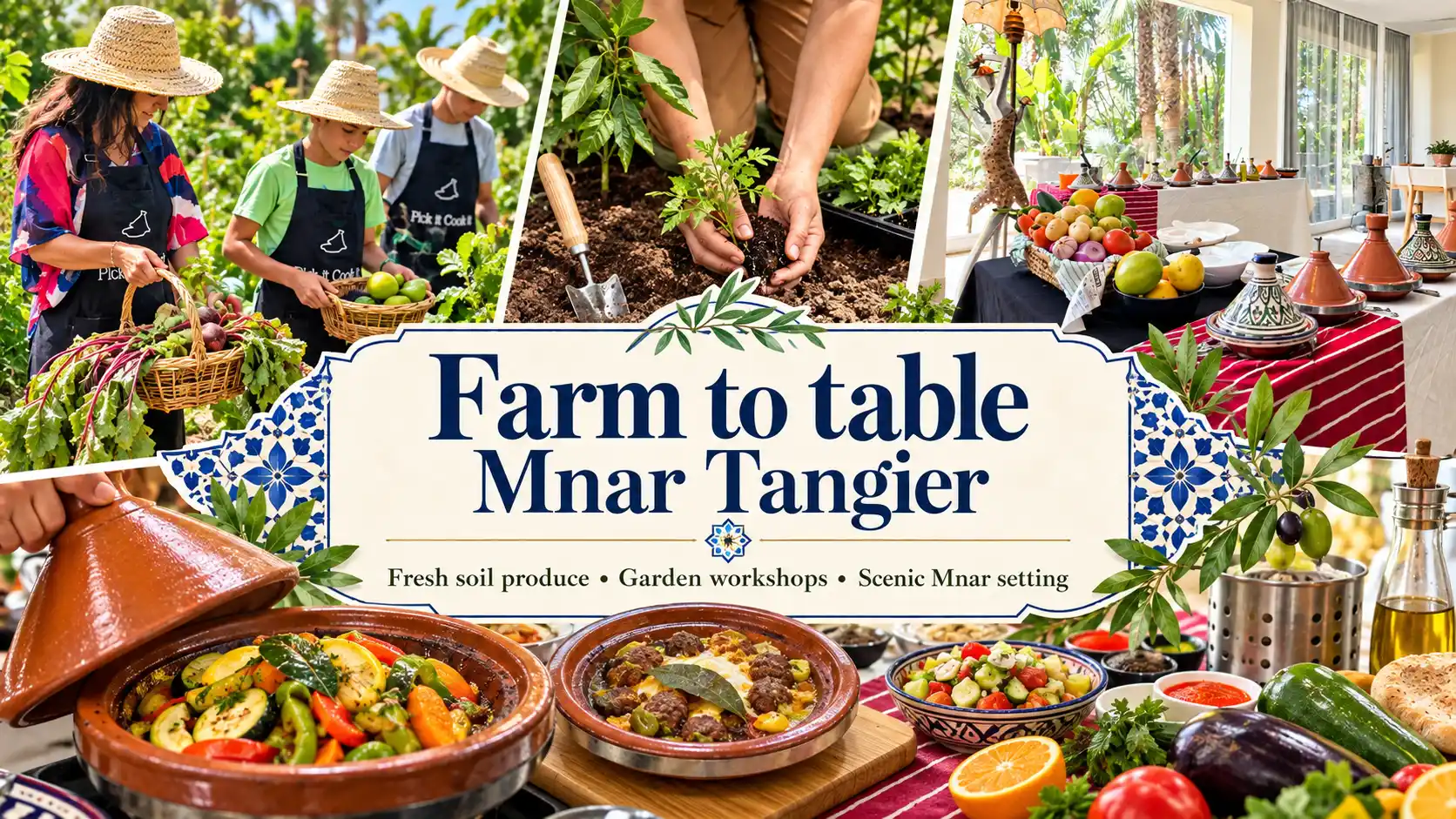
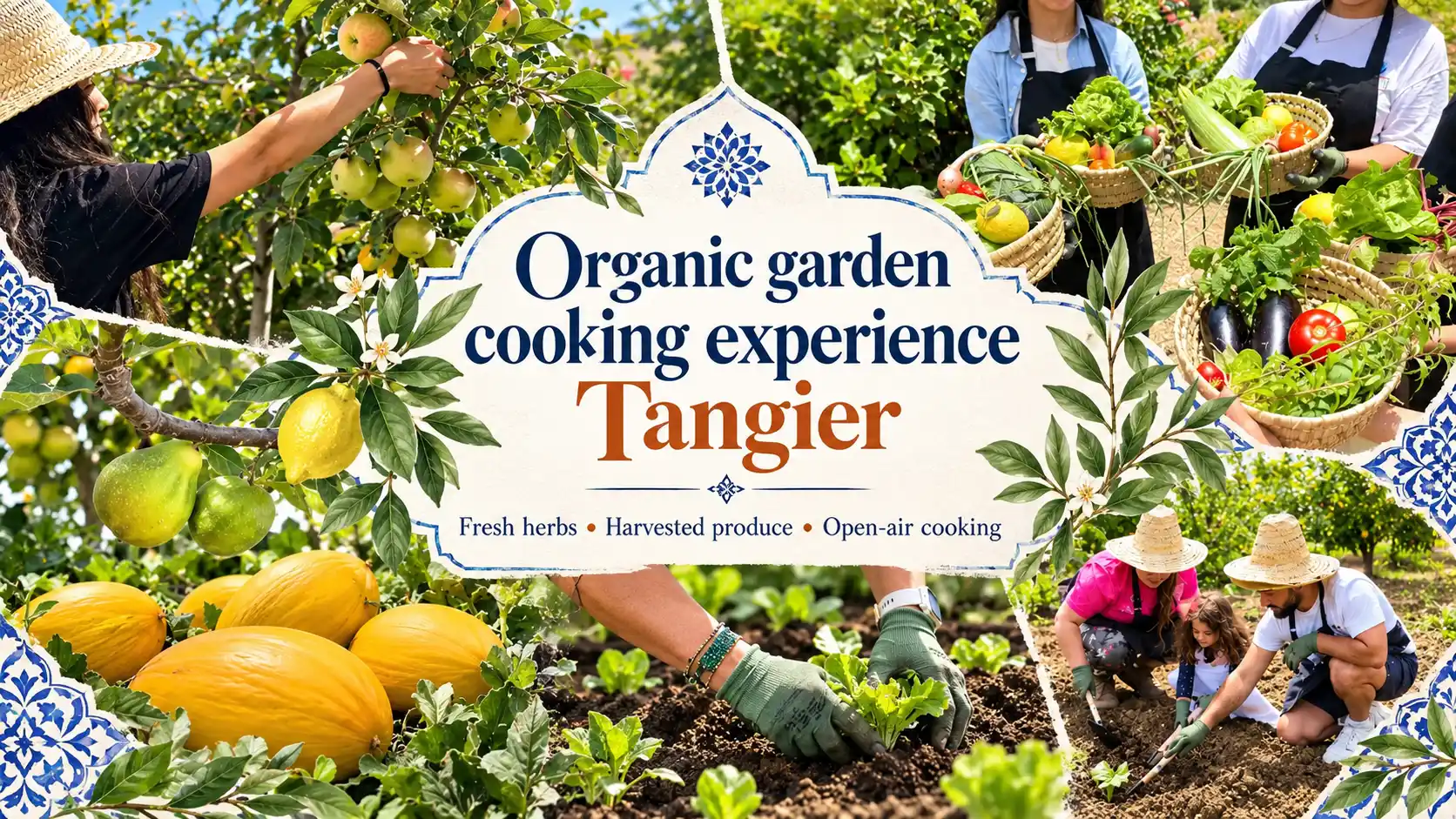
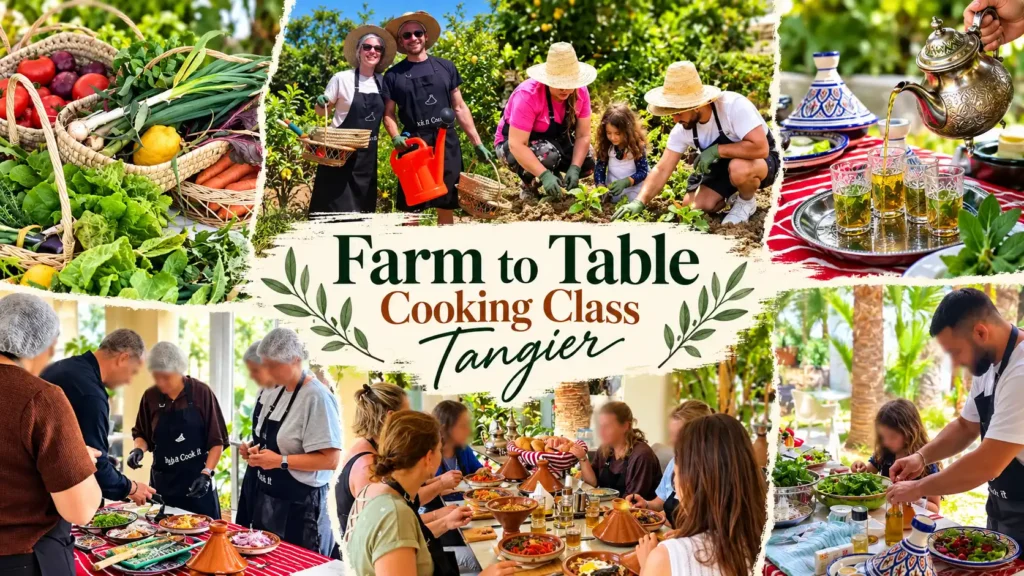
A farm to table cooking class in Tangier combines harvesting fresh, organic ingredients with hands-on cooking to offer a full sensory experience of Moroccan cuisine. Participants begin by exploring the 6,000 m² organic garden estate located in Mnar, where the coastal climate allows for year-round cultivation of vegetables, herbs, and citrus fruits essential to northern Moroccan dishes. Guests pick items such as fresh mint, olives, preserved lemon, and seasonal vegetables that will form the foundation of the cooking session.
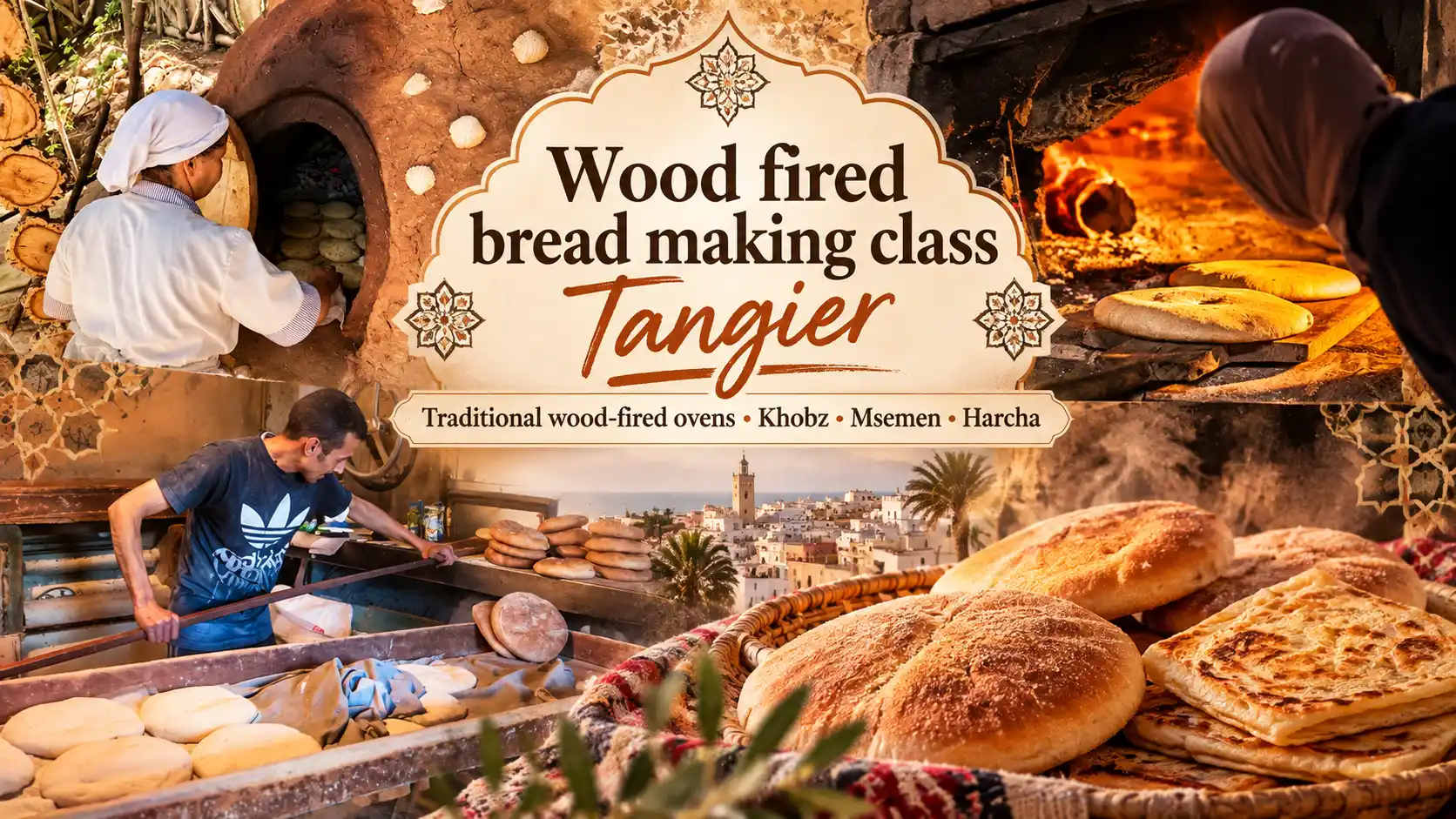
The cooking takes place in a panoramic glass kitchen with 360° views over the Mediterranean, providing a stunning backdrop to the culinary process. Preparation involves traditional methods using a wood-fired oven and authentic Moroccan utensils. Throughout, the workshop emphasizes the importance of freshness, seasonality, and simplicity—hallmarks of regional cuisine. The class often covers classic recipes like chermoula marinade, tagine stews, msemen pancakes, and khobz bread, allowing guests to recreate these dishes at home with a Moroccan recipe card for guidance.
Hands-on instruction by local chefs ensures that participants engage every step of the way, making it a practical learning experience. This approach has been shown to increase guest retention and positive reviews in similar culinary ventures. The connection between nature and cooking creates a memorable cultural immersion that highlights why farm to table practices matter in preserving culinary heritage.
Why Tangier’s Climate Makes Farm to Table Cooking Classes Unique
Tangier’s coastal Mediterranean climate supports a diverse array of fresh produce throughout the year, making the farm to table cooking class experience particularly rich and varied. Unlike other regions where growing seasons are shorter, Tangier’s mild temperatures and ample sunlight allow for continuous harvesting of key Moroccan ingredients such as olives, citrus fruits, tomatoes, and aromatic herbs like mint and coriander.
This year-round abundance means that classes can adapt their menus based on what is freshly available in the garden at any given time, ensuring a true representation of seasonal Moroccan cuisine. For example, during winter months, preserved lemon and root vegetables might take center stage, while summer sessions highlight vibrant tomatoes and fresh green herbs.
The use of local, seasonal produce is a defining feature of authentic Moroccan cooking. Ingredients like ras el hanout spice blends and saffron are paired with these fresh items to create balanced and aromatic dishes. This variety also allows culinary travelers and cruise passengers visiting Tangier to experience a dynamic food culture that changes with nature’s rhythms.
Moreover, the proximity to the Mediterranean influences the cuisine towards lighter, fresher flavors with an emphasis on fish and citrus, differing from the heavier stews found inland. The climate’s effect on agriculture enriches the farm to table experience by directly linking the environment to the culinary outcome.
How Learning Moroccan Cooking Hands-On Enhances the Experience
Hands-on workshops in farm to table cooking classes increase enjoyment, skill retention, and appreciation for traditional Moroccan dishes. Actively participating in every stage benefits learners by engaging multiple senses: touching fresh vegetables, smelling spices like cumin and saffron, and tasting ingredients as they develop within the recipes.
Research shows that practical cooking experiences improve memory retention of techniques and flavors, leading to higher satisfaction rates among participants. For culinary travelers, this method offers a tangible connection to Moroccan culture beyond passive observation.
Working alongside a local chef allows guests to ask questions and receive immediate feedback on knife techniques, spice blending, and timing. Typical recipes taught include making the broth for harira soup, preparing chermoula marinade for fish or vegetables, and kneading dough for msemen or khobz bread.
Cooking outdoors, often next to a wood-fired oven, offers a more authentic environment compared to indoor kitchen setups, connecting participants to traditional methods. The opportunity to share the freshly made meal at the garden table encourages social interaction and deepens the enjoyment of the class.
Overall, hands-on culinary experiences convert a simple meal preparation into a memorable cultural workshop, increasing the likelihood that visitors will remember and replicate Moroccan dishes once home.
Pick it Cook it: An Exemplary Farm to Table Cooking Class in Mnar, Tangier
Pick it Cook it is one of Tangier’s pioneering farm to table cooking class experiences, set on a 6,000 m² organic garden estate in Mnar that overlooks the Mediterranean with 360° panoramic glass views. The experience stands out because it integrates harvesting, cooking, and tasting in one seamless outdoor workshop tailored to the coastal northern Moroccan culinary style.
At Pick it Cook it, guests receive port pick-up from Tangier cruise terminal as part of the booking, making it accessible for cruise passengers looking for a unique shore excursion. Sessions run approximately 2.5 to 3 hours, offering an immersive yet manageable time frame focused on recipes that showcase the freshest garden ingredients like mint, olives, and preserved lemon.
The class includes cooking traditional dishes such as tagine or couscous, aligning with the cultural heritage recognized by UNESCO when couscous was inscribed on the Intangible Cultural Heritage list in 2020. Small private groups, ranging from 2 to 40 people, ensure a personalized experience with hands-on instruction.
A key differentiator is the panoramic glass kitchen set in a farm environment that balances learning with scenic enjoyment. Participants leave not only with a deep understanding of Moroccan farm to table culinary techniques but also with a Moroccan recipe card to recreate their favorite dishes afterwards. Interested guests can explore the full details of the Pick it Cook it full experience on the site dedicated to their offerings.
Essential Moroccan Ingredients and Dishes You Will Experience in a Farm to Table Class
Farm to table cooking classes in Tangier revolve around fresh, seasonal ingredients that define northern Moroccan cuisine. Guests cook with items freshly picked from the organic garden, including fragrant mint, preserved lemon, olives, and citrus fruits such as oranges and lemons unique to the Mediterranean influence. These ingredients form the base for flavor-rich dishes crafted with traditional spices like cumin, ras el hanout, and saffron.
Key dishes prepared often include:
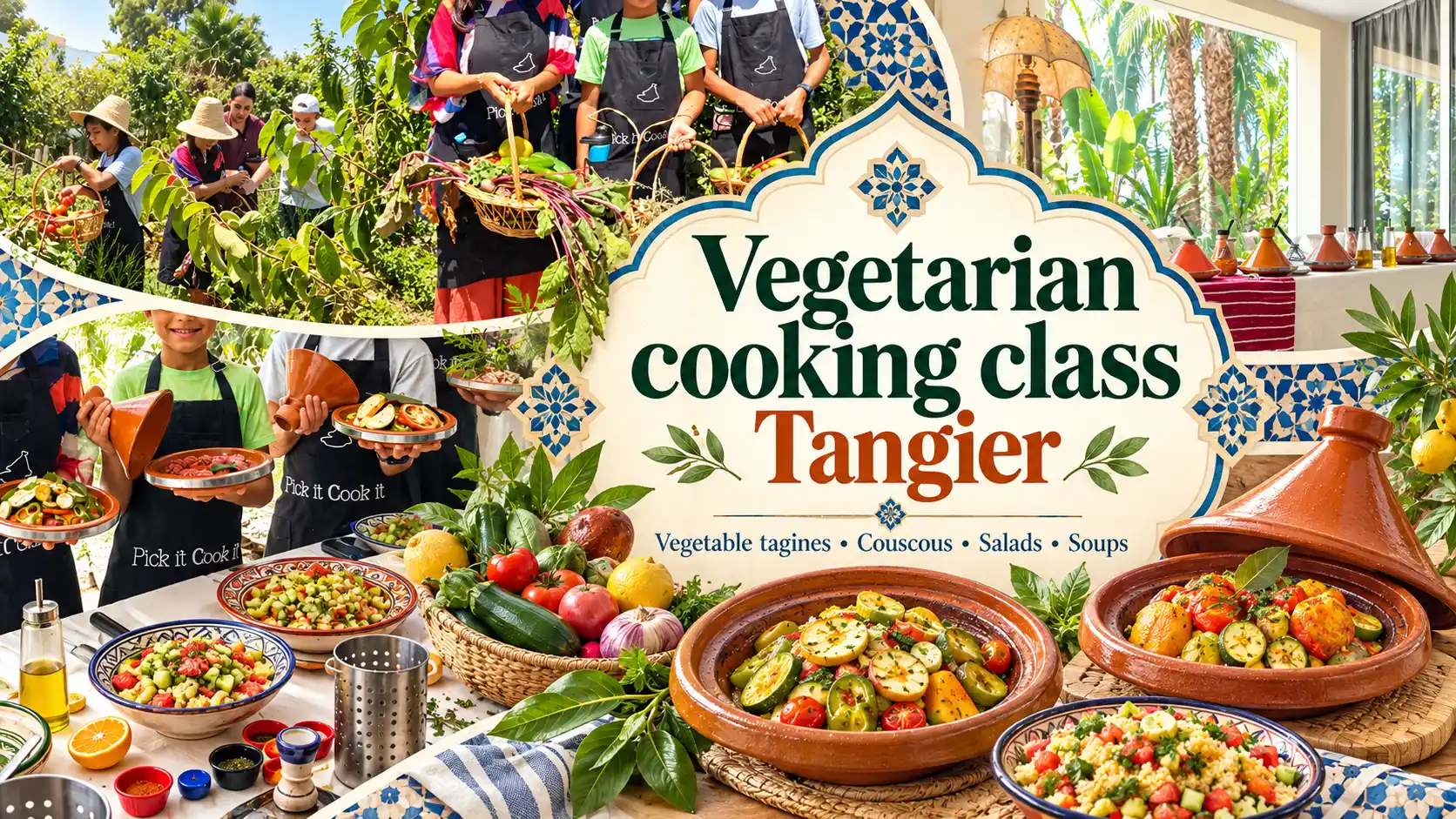
- Tagine – a slow-cooked stew traditionally made with meat or vegetables, preserved lemon, and olives.
- Couscous – a staple Moroccan dish featuring steamed semolina grains served with vegetables and meats, recognized by UNESCO as intangible cultural heritage.
- Harira – a hearty soup combining lentils, chickpeas, tomatoes, and aromatic herbs, essential during Ramadan.
- Msemen – layered flatbread, ideal for dipping in honey or accompanying savory dishes.
- Chermoula – a marinade made from herbs, garlic, lemon juice, and spices, used for fish or grilled vegetables.
The fresh ingredients elevate these dishes far beyond what is typically experienced in restaurants or markets. Cooking classes emphasize balancing spices, understanding ingredient interactions, and mastering traditional preparation techniques such as using a wood-fired oven and hand-kneading bread dough.
Learning these dishes from farm to table connects guests directly to the environment and culinary heritage of northern Morocco, creating a memorable encounter with the region’s gastronomy.
Frequently Asked Questions
What is a farm to table cooking class in Tangier?
A farm to table cooking class in Tangier is an interactive culinary experience where participants harvest fresh ingredients from an organic garden and cook traditional Moroccan dishes using those ingredients under expert guidance.
How long does a farm to table cooking class in Tangier typically last?
Most classes, including those like Pick it Cook it’s sessions in Mnar, last approximately 2.5 to 3 hours, which includes ingredient picking, cooking, and dining.
Can cruise passengers join a farm to table cooking class in Tangier?
Yes, many classes, such as Pick it Cook it, include port pick-up from the Tangier cruise terminal, making them convenient shore excursions for cruise passengers.
What ingredients are commonly used in Tangier’s farm to table cooking classes?
Typical ingredients include fresh seasonal produce like mint, olives, preserved lemon, citrus fruits, along with spices such as cumin, ras el hanout, and saffron.
Can I learn to make traditional Moroccan dishes like tagine and couscous in these classes?
Yes, farm to table cooking classes in Tangier teach essential Moroccan dishes such as tagine, couscous, harira, msemen, and more, often providing recipe cards to take home.
Farm to table cooking classes in Tangier offer a rare opportunity to connect with Moroccan culinary heritage through direct engagement with fresh, organic ingredients in an outdoor setting. The region’s favorable coastal climate allows year-round harvesting of produce essential to northern Moroccan dishes, highlighting freshness and seasonality. Hands-on instruction enhances learning and appreciation, especially for traditional recipes like tagine, couscous, and harira. Experiences such as Pick it Cook it in Mnar combine garden picking, panoramic Mediterranean views, and authentic cooking techniques into one enriching workshop. For those interested in exploring Moroccan flavors deeply, Pick it Cook it offers a comprehensive farm to table cooking class where each dish reflects Tangier’s unique gastronomy. Book your spot directly at pickitcookit.com or via WhatsApp.