Estimated reading time: 7 minutes.
- Experience authentic Moroccan flavors with chicken tagine.
- Understand the cultural significance of preserved lemons in Moroccan cuisine.
- Learn essential spices for a flavorful chicken tagine.
- Discover common mistakes to avoid when cooking tagine.
- Explore differences between Tangier and Marrakech styles of chicken tagine.
Table of Contents
- The Cultural and Historical Significance of Chicken Tagine with Preserved Lemon and Olives
- Essential Spice Base for Chicken Tagine Preserved Lemon Recipe
- Preserved Lemon: The Secret Ingredient in Moroccan Tagine
- The Traditional Clay Tagine vs Modern Cooking Pans
- The Slow-Cooking Technique: Why Time Matters
- Common Beginner Mistakes and How to Avoid Them
- Chicken Tagine Preserved Lemon Recipe Framework
- Tangier Style vs Marrakech Style Chicken Tagine: What Sets Them Apart?
- Exploring Moroccan Culinary Traditions in Tangier’s Mnar Region
The Cultural and Historical Significance of Chicken Tagine with Preserved Lemon and Olives
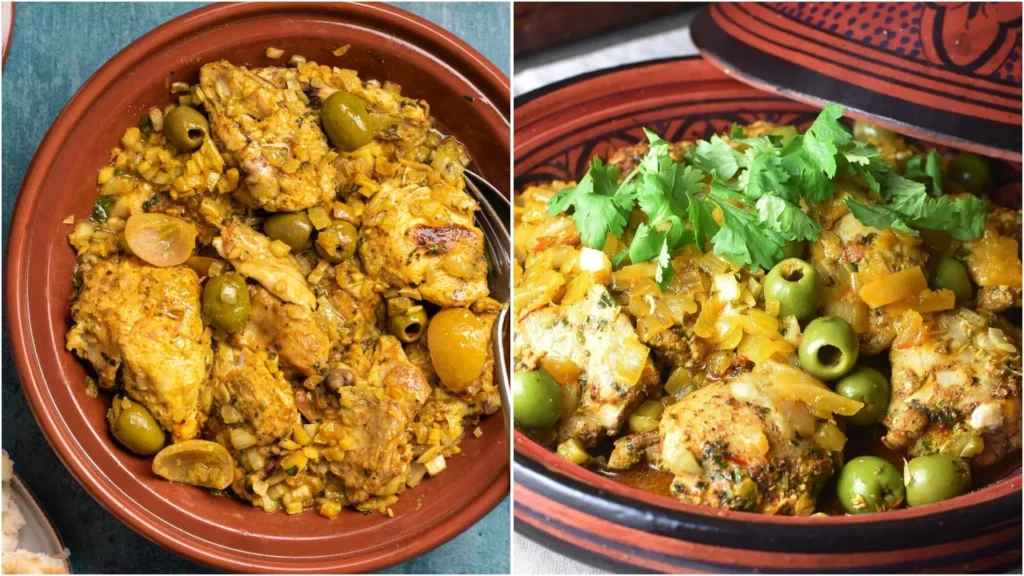
Tagine dishes are synonymous with Moroccan cuisine, named after the unique earthenware pot used for cooking. This method dates back centuries, allowing gentle, slow cooking that melds flavors beautifully. In northern Morocco, particularly in Tangier, chicken tagine with preserved lemon and olives holds a special place as a festive yet everyday meal, highlighting the importance of local ingredients and preservation techniques. The preserved lemon itself is a traditional pantry staple that showcases Moroccan ingenuity in food preservation, essential for adding brightness and complexity to the dish.
Essential Spice Base for Chicken Tagine Preserved Lemon Recipe
A flavorful spice blend is the foundation of this tagine. The key spices typically include:
- Saffron: Adds floral notes and a subtle golden color.
- Ginger: Provides warmth and a mild heat.
- Cumin: Earthy and aromatic, essential in Moroccan cooking.
- Ras el Hanout: A complex blend often containing up to 30 spices such as cinnamon, coriander, and cardamom.
- Turmeric: Gives a vibrant hue and a slight bitterness that balances the sweet and sour elements.
These spices are combined early in the cooking process to create a rich spice base that transforms simple chicken into a deeply flavorful dish.
Preserved Lemon: The Secret Ingredient in Moroccan Tagine
Preserved lemon is more than a garnish; it is a flavor powerhouse that enhances the aromatic profile of the tagine. Here’s what makes it special:
- How It’s Made: Whole lemons are cleaned and packed with salt, then jarred and left to ferment.
- Fermentation Time: Typically, it takes about 3 to 4 weeks for lemons to develop the optimal balance of saltiness and acidity.
- When to Add It: Preserved lemon rind is usually added midway through cooking to soften and release its citrus oils without losing its vibrant tang.
Using preserved lemons is a hallmark of northern Moroccan cuisine, particularly around Tangier, where citrus fruits flourish.
The Traditional Clay Tagine vs Modern Cooking Pans
The tagine vessel itself is crucial to authentically preparing this dish:
- Clay Tagine: The conical lid traps steam and cycles condensation, keeping the dish moist without water dilution. This slow steaming method tenderizes the chicken and blends flavors naturally.
- Modern Pots: While dutch ovens or heavy-bottomed pans can substitute, they don’t replicate the unique steam circulation of a tagine, often requiring adjustments in cooking time or moisture.
In Tangier’s Mnar region, many cooking experiences emphasize the use of traditional clay tagines, highlighting their importance in achieving authentic taste and texture.
The Slow-Cooking Technique: Why Time Matters
Cooking chicken tagine with preserved lemon and olives demands patience. Slow cooking allows:
- Tender, succulent chicken infused with spices.
- Olives and preserved lemon rind to soften and integrate seamlessly.
- The development of a rich, thick sauce—often cooked over low heat for 1.5 to 2 hours.
This gradual process is central to Moroccan culinary art and reflects the ethos of savoring each step, turning raw ingredients into a harmonious dish.
Common Beginner Mistakes and How to Avoid Them
Mastering this recipe is approachable if you avoid these pitfalls:
- Using too much water: The tagine should steam in its own juices, so add minimal water.
- Overcooking the preserved lemon: Adding it too early can create bitterness and a mushy texture.
- Skipping the spice bloom: Sautéing spices with onions or garlic helps develop deeper flavors.
- Cooking on too high heat: Fast cooking dries out chicken and toughens meat.
- Using the wrong olives: Choose large green olives with pits for authentic flavor and texture.
By heeding these tips, beginners can confidently replicate this iconic Moroccan dish.
Chicken Tagine Preserved Lemon Recipe Framework
Ingredients
- 1 whole chicken, cut into pieces
- 2 preserved lemons, rind only, rinsed and sliced
- 150g green olives, pitted
- 2 onions, finely sliced
- 3 garlic cloves, minced
- 1 tsp saffron threads, soaked in warm water
- 1 tsp ground ginger
- 1 tsp ground cumin
- 2 tsp ras el hanout
- 1/2 tsp turmeric
- Fresh coriander and parsley, chopped
- Salt and black pepper to taste
- 3 tbsp olive oil
- 250 ml water or chicken broth
Instructions
- Prepare the spice base: Heat olive oil in a tagine or heavy pan. Add onions and garlic, sauté until translucent.
- Add saffron with soaking water, ginger, cumin, ras el hanout, turmeric, salt, and pepper. Stir to release aroma.
- Place chicken pieces in the pot, coat thoroughly with the spice mixture.
- Add olives and preserved lemon slices, then pour water or broth to cover half of the chicken.
- Cover and simmer on low heat for 1.5 to 2 hours, checking occasionally but avoiding stirring too much to preserve shape.
- Garnish with fresh herbs before serving with traditional bread or couscous.
Tangier Style vs Marrakech Style Chicken Tagine: What Sets Them Apart?
While chicken tagine with preserved lemon is enjoyed throughout Morocco, regional nuances are distinct:
- Tangier Style (Northern Morocco): Emphasizes fresh preserved lemons from local citrus groves and uses a brighter, more pronounced spice blend featuring saffron. Olives tend to be larger and greener, highlighting the Mediterranean influence.
- Marrakech Style (Southern Morocco): Often includes dried fruits like apricots or prunes, with heavier use of cinnamon and sweeter spice profiles. The sauce may be thicker and richer, reflecting the Saharan trade influences.
Experiencing the Tangier style provides a fresher, more citrus-forward palate, deeply connected to the Mnar region’s agricultural bounty.
Exploring Moroccan Culinary Traditions in Tangier’s Mnar Region
Food lovers visiting Tangier can gain unparalleled insight by engaging directly with local culinary traditions. Among the many things to do in Tangier, learning to cook chicken tagine with preserved lemon in an authentic setting stands out for both cultural immersion and flavor mastery.
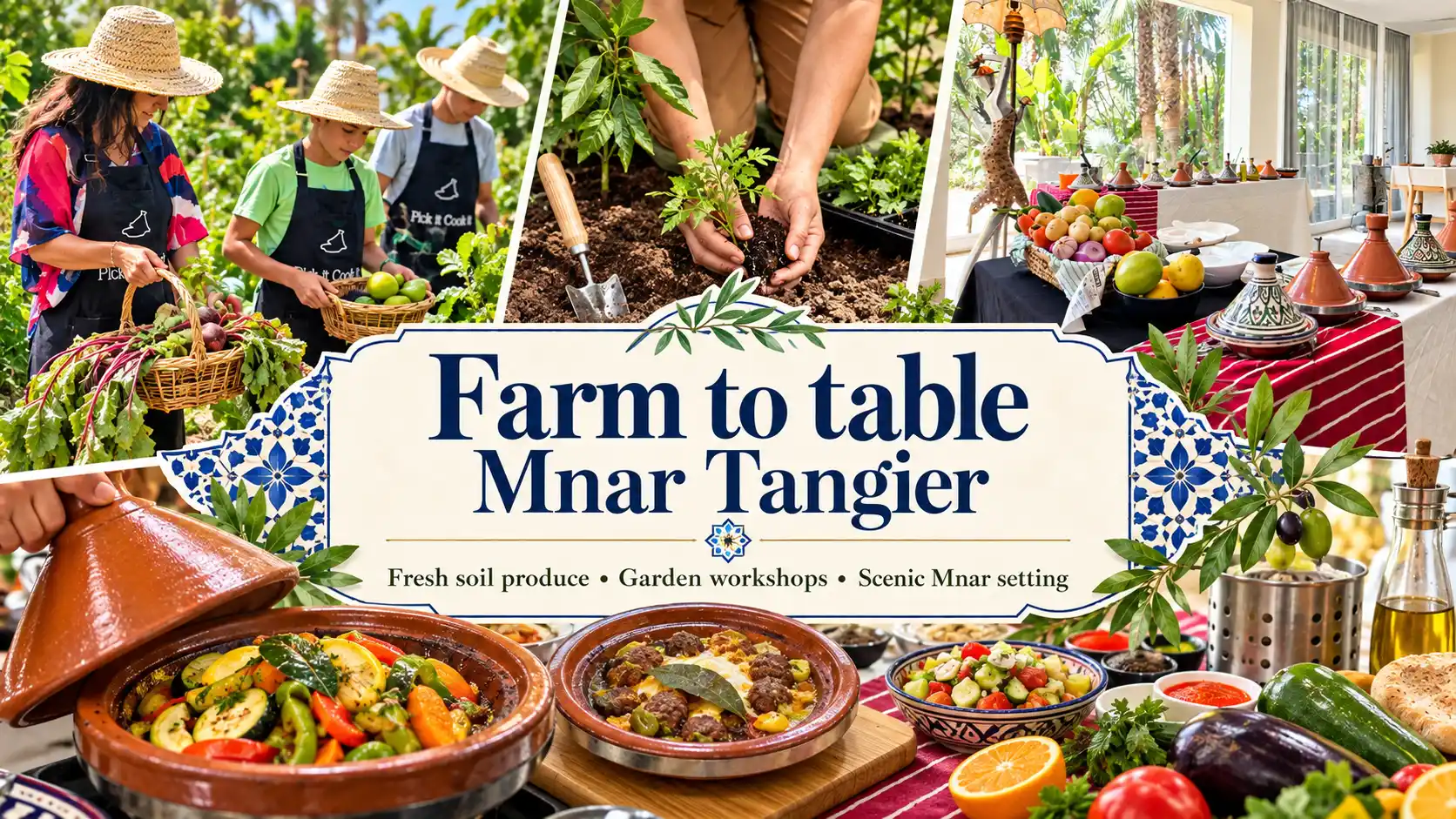
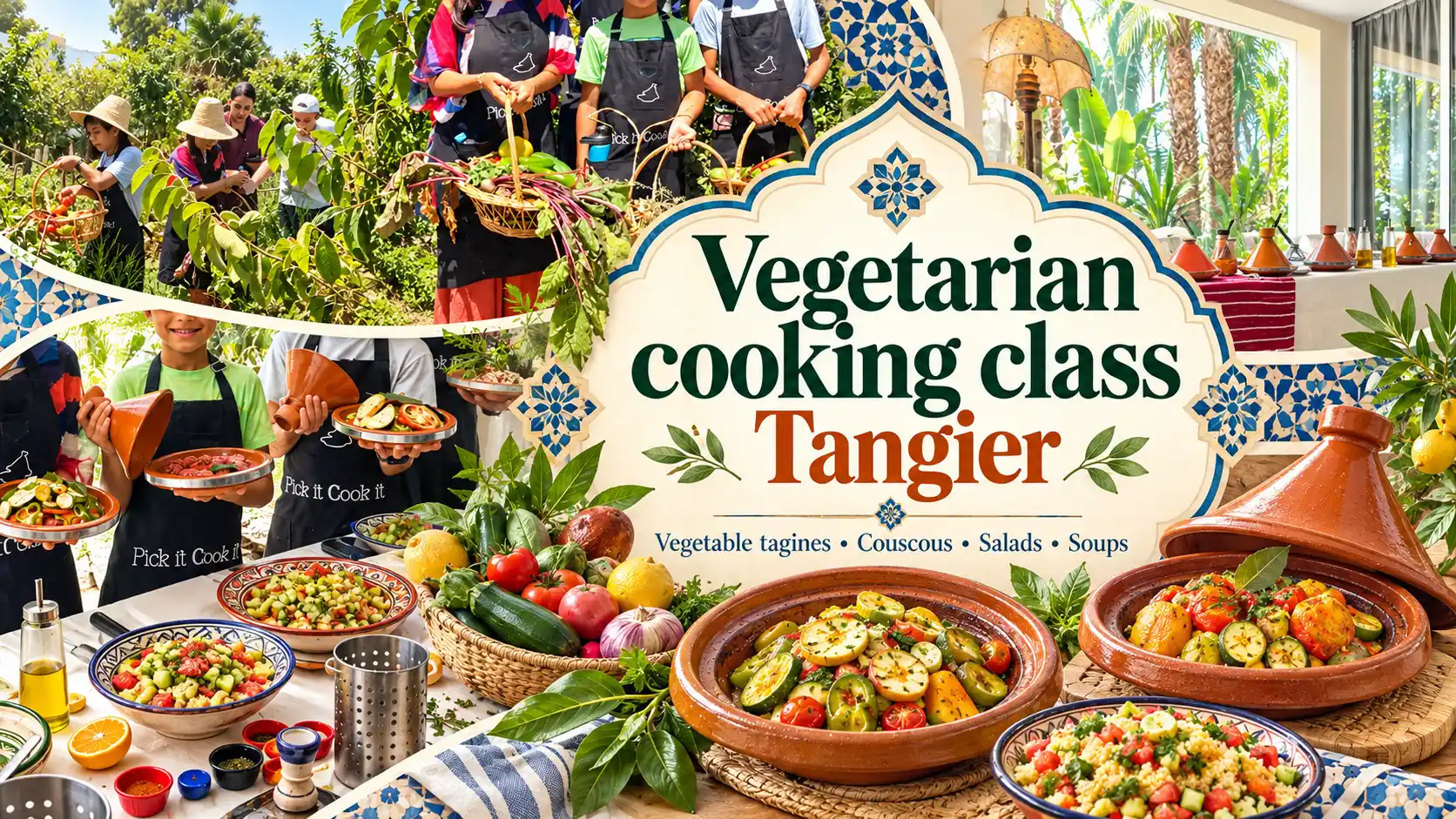
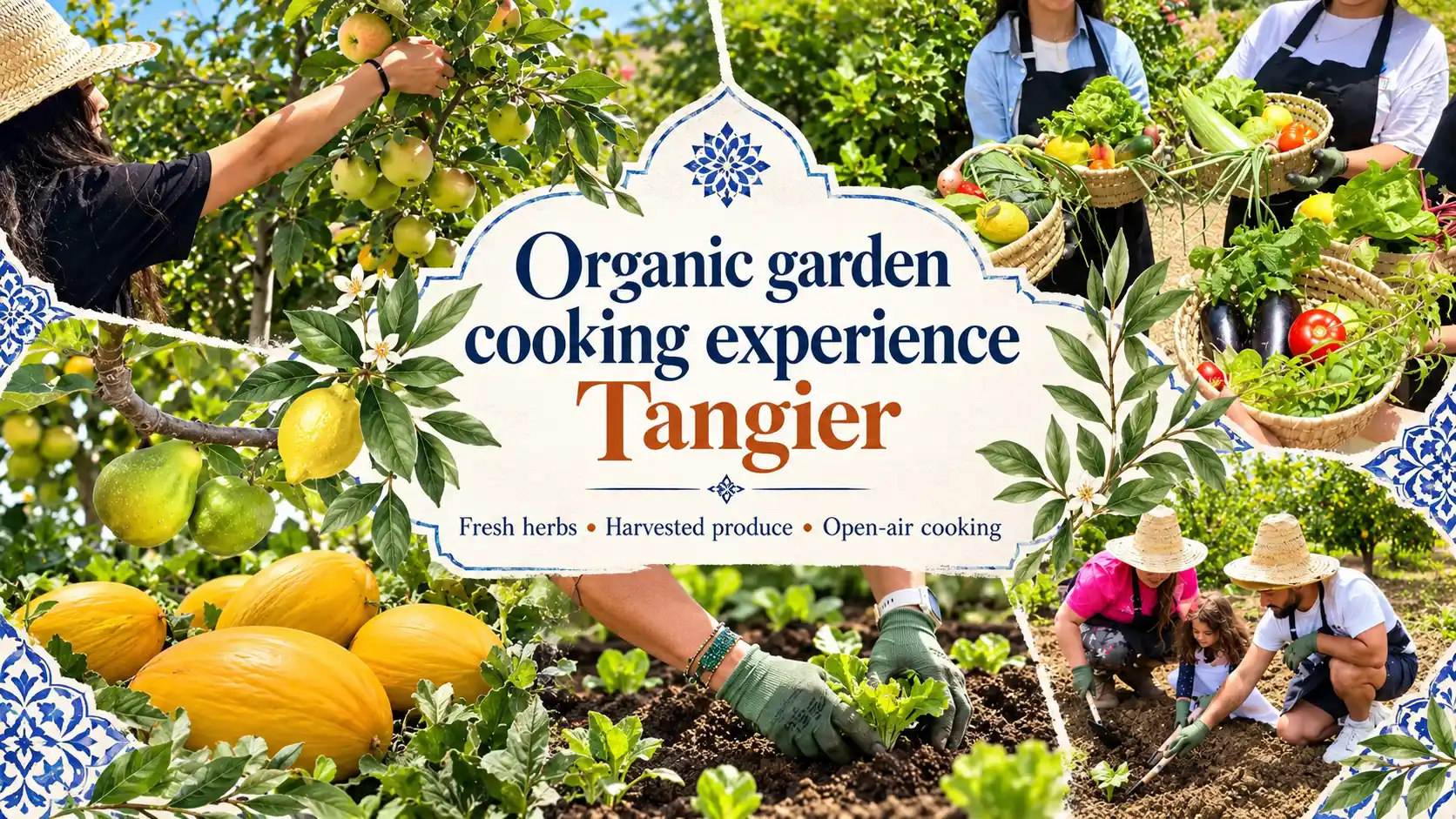
Tangier’s first immersive farm-to-table culinary experience, set in a 6000m² organic garden in the Mnar region, offers a unique way to connect with these traditions. Here, guests harvest ingredients from the garden, cook in a panoramic glass kitchen, and use a traditional wood-fired oven, gaining hands-on knowledge of this iconic Moroccan dish.
Participating in a farm-to-table experience in Tangier like Pick It Cook It allows travelers to fully appreciate the layers of history, technique, and flavor that make chicken tagine with preserved lemon and olives truly special.
Frequently Asked Questions
Q1: How long does it take to make a chicken tagine with preserved lemon? Most traditional recipes require 1.5 to 2 hours of slow cooking to ensure tender chicken and fully developed flavors.
Q2: Can I substitute preserved lemon with fresh lemon? Fresh lemon lacks the salty, fermented complexity of preserved lemon, so the flavor will be different and less authentic.
Q3: What type of olives are best for this tagine? Large, green Moroccan olives with pits are preferred for their firm texture and distinctive taste.
Q4: Do I need a tagine pot to cook chicken tagine properly? While possible in heavy pans, a traditional clay tagine pot best retains moisture and evenly cooks the dish.
Q5: What side dishes complement chicken tagine with preserved lemon and olives? Traditional Moroccan bread (khobz) and couscous are perfect accompaniments to soak up the delicious sauce.