Estimated reading time: 8 minutes.
- Discover essential Tangier street foods.
- Find authentic dining spots away from tourist traps.
- Experience the unique café culture and atay mint tea ritual.
- Explore seafood dining options along Tangier port.
- Shop for culinary treasures in local markets.
Table of Contents
- Essential Street Food in Tangier
- Tangier’s Medina Restaurants vs Tourist Traps
- The Café Culture of Tangier and the Atay Mint Tea Ritual
- Seafood Dining Along Tangier Port
- Food Markets and Shopping
- What Makes Tangier’s Food Culture Distinct from Marrakech?
- Tangier Food Experiences
Essential Street Food in Tangier: Flavorful Bites to Try
Exploring Tangier’s streets reveals a palate of authentic Moroccan flavors in some of the city’s most beloved street foods. The medina and surrounding markets are the best places to enjoy these quick yet memorable meals.
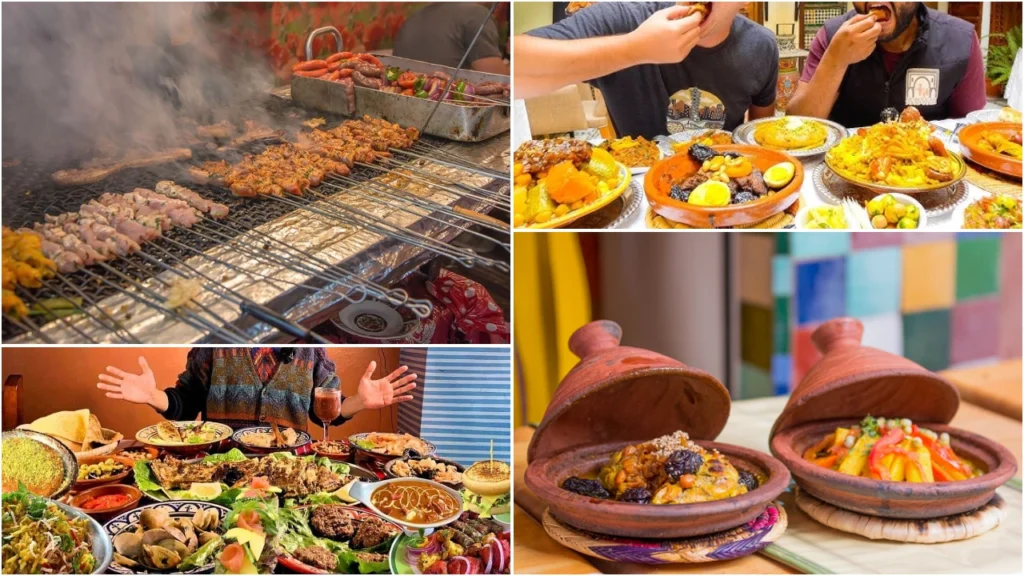
- Bissara (Fava Bean Soup): Served traditionally in ceramic bowls with a drizzle of olive oil, bissara is a warm, hearty soup made from pureed dried fava beans spiced with cumin and paprika. It is a staple breakfast or snack during cooler months.
- Kalinti (Chickpea Tart): A savory tart baked with chickpea flour, olive oil, and a hint of cumin. Kalinti is crispy on the edges and tender inside, perfect as a street-side snack.
- Grilled Sardines with Chermoula: Sardines fresh from the Mediterranean, marinated in chermoula—a zesty blend of garlic, cilantro, cumin, lemon juice, and olive oil—then gently grilled over open flame. This dish highlights Tangier’s coastal character.
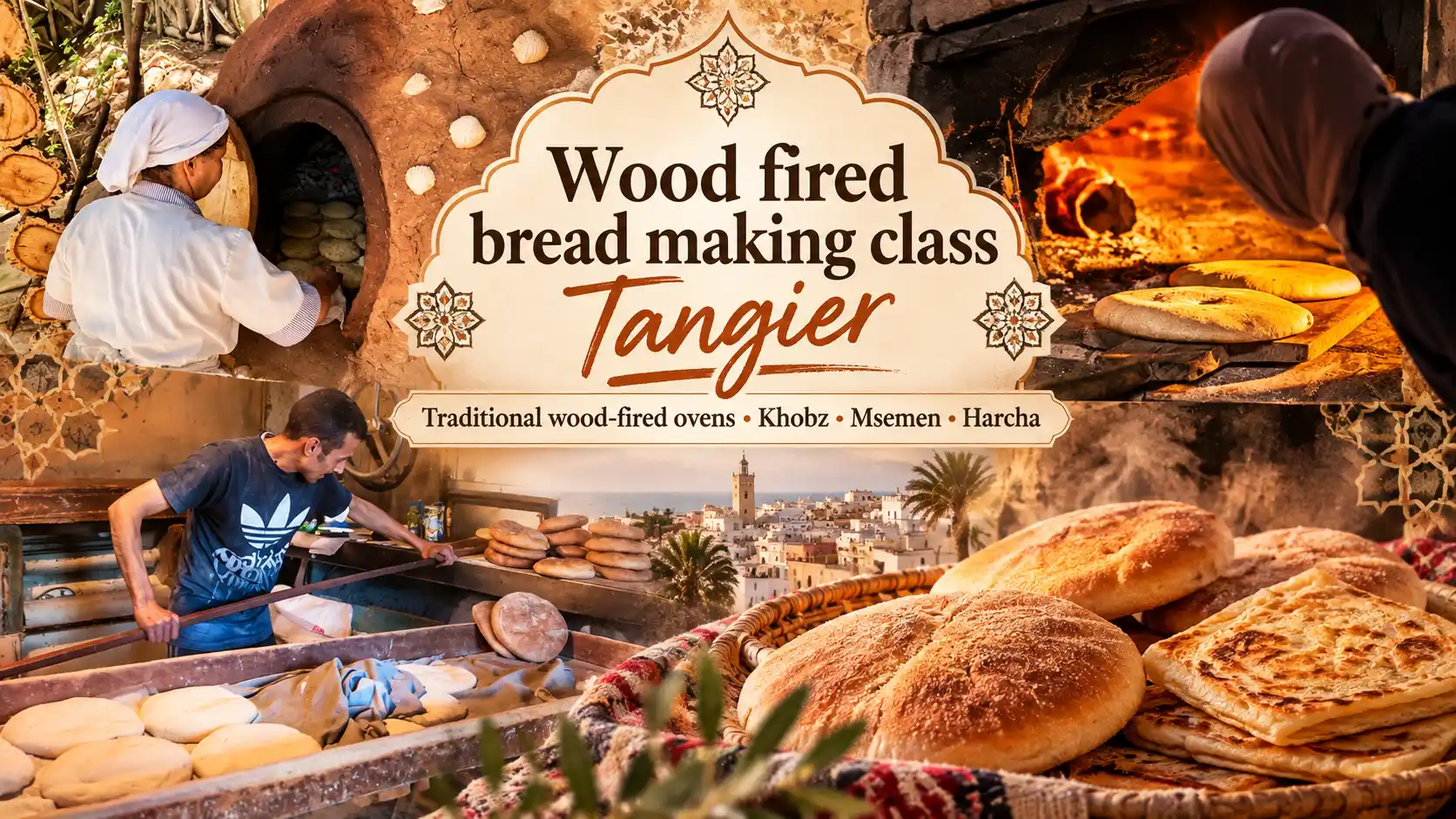
- Msemen with Honey: Msemen is a flaky, pan-fried flatbread, often enjoyed drizzled with local honey for a simple yet decadent taste. It makes an excellent accompaniment to mint tea.
- Sfenj Donuts: Moroccan doughnuts fried until golden and crispy, usually dusted with sugar. These are a favorite snack any time of day.
The street food scene in Tangier reflects the city’s Andalusian heritage, focusing on fresh ingredients, bold herbs, and vibrant spices, distinguishing it from Marrakech’s heavier, meat-centric dishes.
Tangier’s Medina Restaurants vs Tourist Traps: Where to Eat Authentic Northern Moroccan Cuisine
Navigating dining options in the medina can be overwhelming, but choosing the right spot ensures an authentic culinary experience instead of a tourist-marked encounter.
- Authentic Local Restaurants in the Medina: Seek out small, family-run establishments where the menu emphasizes northern Moroccan specialties. Restaurants serving traditional dishes like seafood tagine with chermoula, bissara, and kalinti offer a true taste of Tangier. These places tend to be modest but rich in authenticity and flavor.
- Restaurants to Avoid: Tourist traps often cluster around landmarks such as the Grand Socco or central plazas, offering a generic Moroccan menu that lacks distinction or freshness. These tend to rely heavily on Western tastes and inflate prices compared to local eateries.
For those wanting hands-on culinary insight, joining one of the cooking classes in Tangier offers a more profound understanding of the city’s food culture, from market shopping to preparing authentic northern Moroccan dishes.
The Café Culture of Tangier and the Atay Mint Tea Ritual
Cafés in Tangier are more than places to drink tea — they are social hubs representing the city’s cultural heartbeat. Mint tea, or atay, is central to Moroccan hospitality. Sweet, fresh, and fragrant, it is brewed in a ritualistic manner:
- Mint leaves and generous sugar are steeped with green tea in a teapot.
- The tea is poured and re-poured from height into small glasses to aerate and cool.
- Serving atay symbolizes welcome, friendship, and community.
Tangier’s coastal cafés, especially near the port and in the medina, offer perfect spots to soak in local life while savoring the tea ritual paired with msemen or sfenj.
Seafood Dining Along Tangier Port: Fresh and Flavorful Delicacies
Tangier’s position along the Atlantic coast means seafood features prominently in its cuisine, offering a lighter alternative to the lamb and beef dishes found inland.
- Seafood Tagine with Chermoula: Fresh fish and shellfish stewed slowly with preserved lemons, olives, and chermoula paste create a tangy, aromatic centerpiece unique to northern Morocco.
- Grilled Fish Stalls: Simple grilled fish, such as sardines and mackerel, served with local bread and salads, are abundant near Tangier port, embodying the city’s maritime essence.
- Clams and Mussels: Often cooked with garlic, lemon, and cilantro, these shellfish dishes are a must-try for seafood lovers.
Dining by the port provides not only fresh catches but also stunning views of the shipping activities and the Strait of Gibraltar, enhancing the dining experience.
Food Markets and Shopping: Where to Buy Tangier’s Culinary Treasures
Food shopping in Tangier centers on vibrant souks and markets where locals buy fresh produce, spices, and preserves. Highlights include:
- Grand Socco Market: Lively and diverse, this market offers fresh fruits, vegetables, and street food. It’s ideal for discovering local produce and seasonal vegetables characteristic of northern Morocco.
- Souk Haddadine: Known for spices and dry goods, here you find essential Moroccan ingredients like ras el hanout (a complex spice mix), dried herbs, and nuts.
- Fish Market near Tangier Port: The freshest seafood arrives daily here, ideal for those looking to cook their catch or bring home preserved fish products.
When shopping for food souvenirs, look for:
- Preserved Lemons: An emblematic Moroccan ingredient used in tagines and salads.
- Argan Oil: Renowned for culinary and cosmetic qualities, native to Morocco’s southern regions but widely available in Tangier.
- Ras el Hanout: The signature Moroccan spice blend, perfect for recreating dishes at home.
- Amlou: A delicious spread made from argan oil, almonds, and honey, typical of Moroccan breakfasts.
What Makes Tangier’s Food Culture Distinct from Marrakech?
Tangier’s cuisine stands apart from Marrakech and southern Moroccan food primarily due to geographic, cultural, and historical factors:
- Coastal and Fresher: The proximity to the Mediterranean and Atlantic results in abundant seafood dishes, whereas Marrakech’s cuisine is more meat-heavy.
- Andalusian Influence: Tangier’s culinary style reflects centuries of Andalusian presence, seen in lighter tagines, use of fresh herbs, and layered flavors.
- Lighter and Less Spicy: While both regions use bold spices, Tangier favors fresher herbs and citrus, giving its dishes a brighter profile.
- Distinct Local Specialties: Unique dishes such as kalinti, bissara, and msemen with honey originated in or are more prominent in Tangier.
This diversity within Moroccan cuisine underscores the importance of experiencing Tangier’s food culture firsthand.
Tangier Food Experiences: Deepening the Culinary Insight
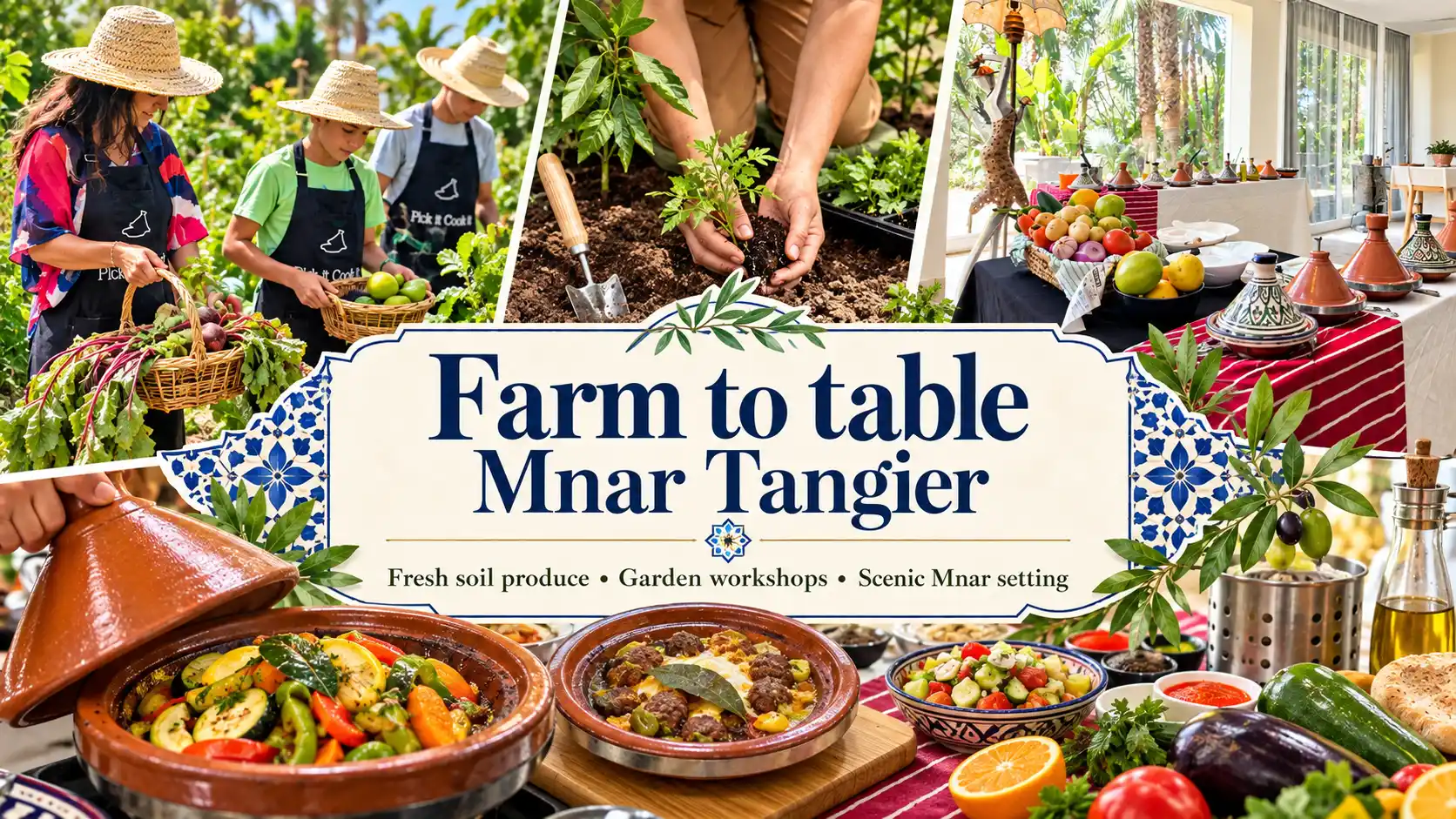
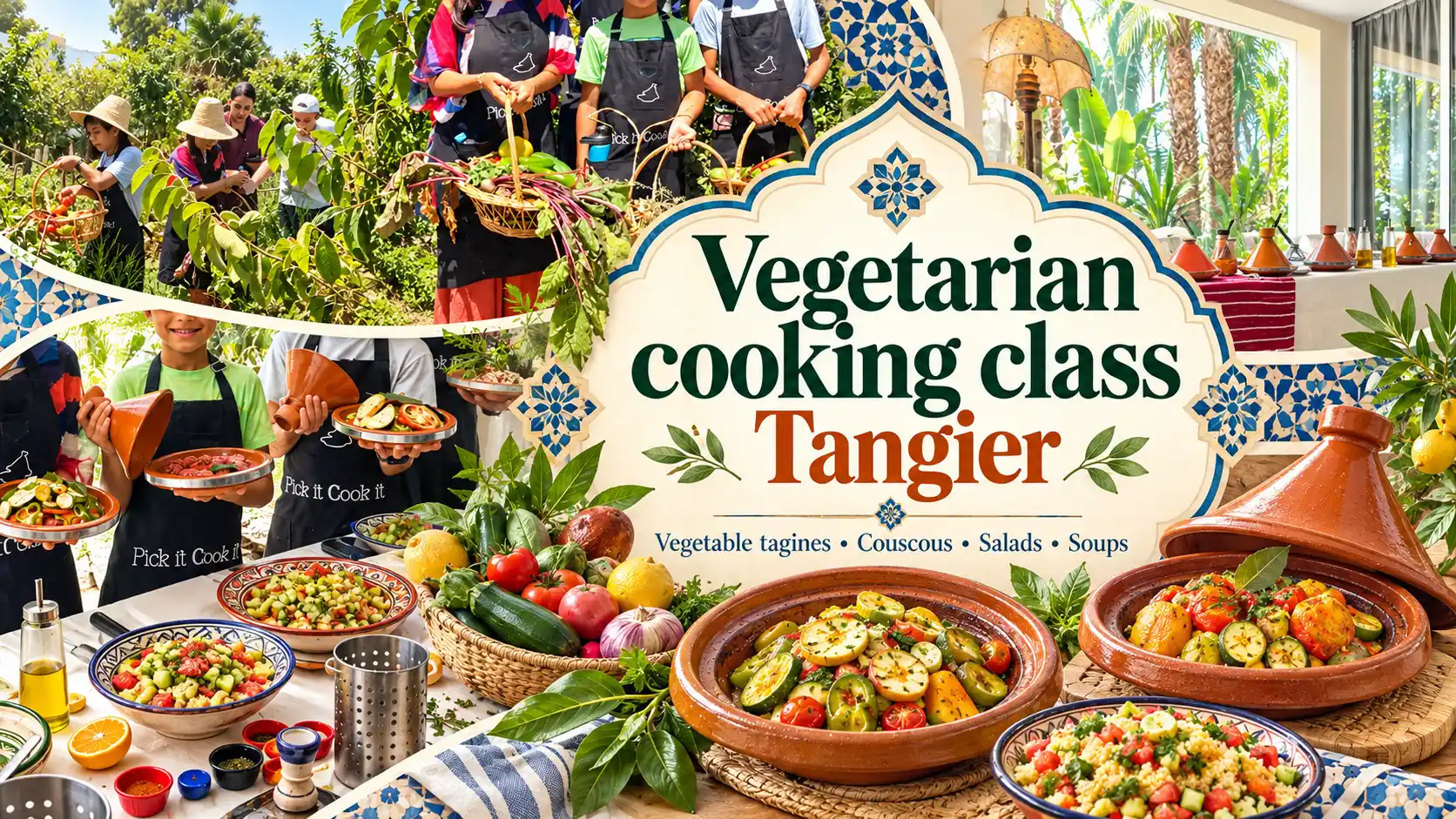
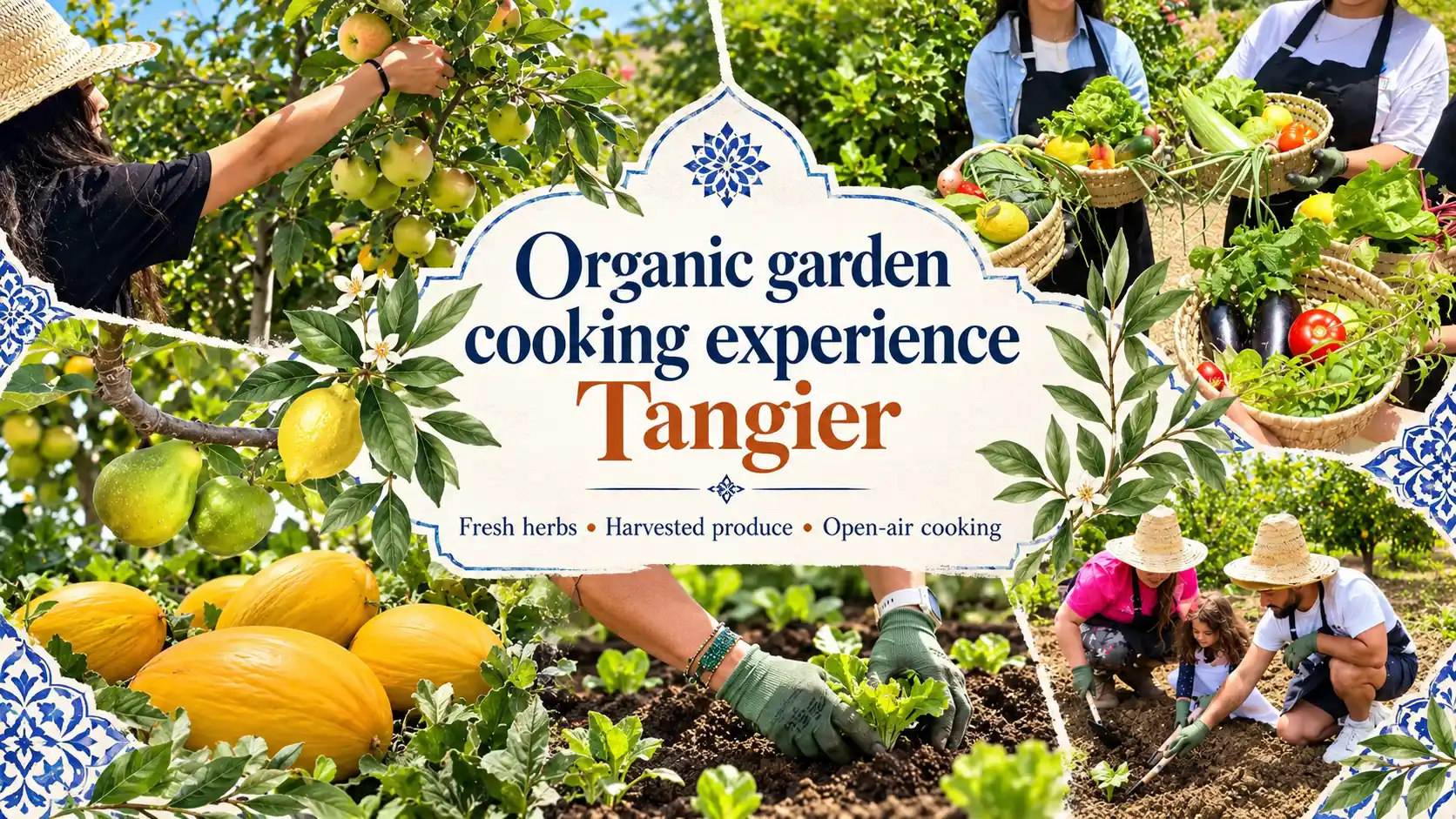
For travelers seeking a comprehensive taste of northern Morocco, a cooking class is unparalleled. Tangier’s first immersive farm-to-table culinary experience, set in a 6000m² organic garden in the Mnar region, allows visitors to connect with ingredients from soil to plate. Here, guests can learn about the flavor profiles unique to northern Moroccan cuisine, harvest fresh herbs and vegetables, and prepare authentic dishes under expert guidance.
Participating in a Moroccan cooking class in Tangier not only enhances your appreciation of the local flavors but also leaves you with skills and recipes to take home, turning your culinary adventure into a lasting memory.
Frequently Asked Questions (FAQ)
1. What are the must-try street foods in Tangier?
Must-try street foods include bissara (fava bean soup), kalinti (chickpea tart), grilled sardines with chermoula, msemen with honey, and sfenj donuts.
2. Where can I find authentic Moroccan food in Tangier’s medina?
Look for family-run restaurants away from tourist-heavy areas like Grand Socco, focusing on northern Moroccan specialties like seafood tagine and bissara.
3. What is unique about Tangier’s food culture compared to Marrakech?
Tangier’s cuisine is influenced by its coastal location and Andalusian heritage, resulting in lighter, fresher dishes centered on seafood and herbs, unlike Marrakech’s meat-forward and spicier profile.
4. What are popular food souvenirs from Tangier?
Popular souvenirs include preserved lemons, argan oil, ras el hanout spice blends, and amlou, a local almond and argan oil spread.
5. How can I experience Moroccan cooking authentically in Tangier?
Joining a farm-to-table cooking class in the Mnar region, such as Pick It Cook It, offers hands-on experience with fresh, organic ingredients and traditional northern Moroccan recipes.