If you have ever browsed a Moroccan menu, visited a North African restaurant, or walked through a medina market, you have almost certainly encountered the word tagine. But what exactly is a tagine? Is it the dish, the pot, or something else entirely?
The answer, as with most things in Moroccan cuisine, is beautifully layered. A tagine is both a cooking vessel and a style of cooking — and understanding it opens the door to one of the richest culinary traditions in the world.
This guide covers everything you need to know about Moroccan tagine: its history, the different types, the key ingredients, how it is cooked, and how you can experience it in its most authentic form.
What Is a Tagine — The Pot
The word tagine (also spelled tajine) refers first to the distinctive conical clay pot used throughout Morocco, Algeria, and Tunisia. It consists of two parts:
The base — a wide, shallow, circular dish where the food is placed and cooked.
The lid — a tall, conical dome that sits on top of the base during cooking.
This design is not decorative. The cone shape serves a precise culinary purpose: as steam rises during cooking, it condenses on the interior walls of the cone and drips back down into the base. This self-basting process keeps the ingredients moist, concentrates the flavours, and allows long, slow cooking with minimal liquid.
Traditional tagine pots are made from unglazed terracotta clay — porous, heavy, and designed for cooking over charcoal or low heat. Modern versions are often glazed, enamelled, or made from cast iron for use on modern hobs.
What Is a Tagine — The Dish
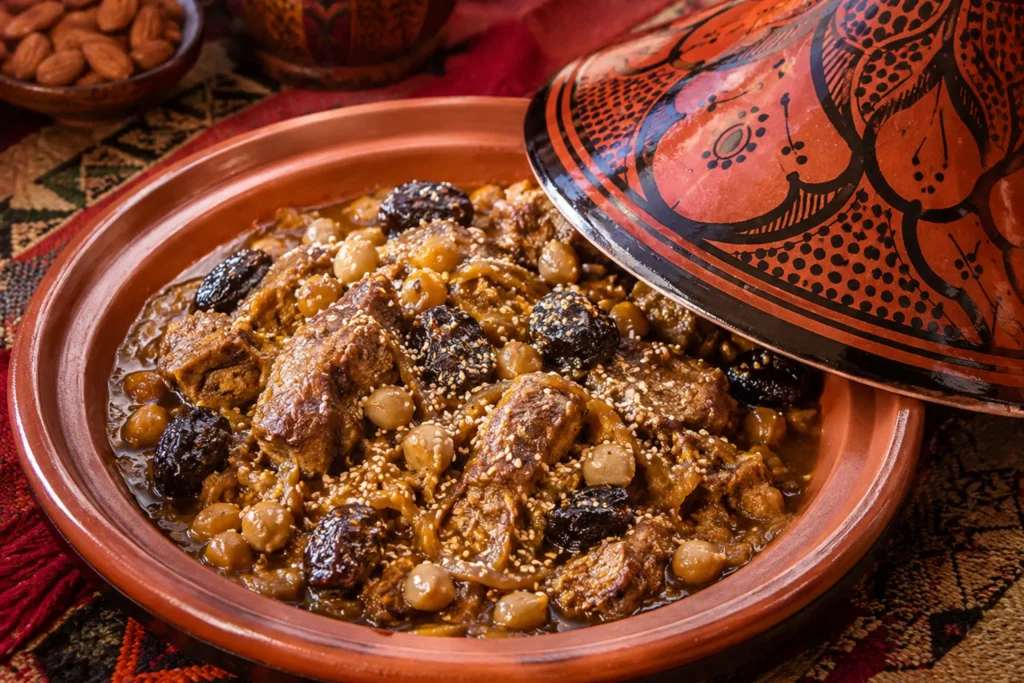
Beyond the pot, the word tagine also refers to the slow-cooked stew prepared inside it. A Moroccan tagine dish is typically a richly spiced combination of:
- Meat, fish, or vegetables as the central ingredient
- A complex blend of Moroccan spices
- Aromatics such as onion, garlic, ginger, and fresh coriander
- Sweet elements like dried fruits, honey, or caramelised onions
- Preserved or pickled ingredients like preserved lemon or olives
- A small amount of liquid — water, stock, or olive oil
The result is a dish that is simultaneously savoury and sweet, soft and aromatic, deeply comforting and distinctly Moroccan.
A Brief History of the Moroccan Tagine
The tagine pot has been used in North Africa for over a thousand years. Its origins are debated — some food historians trace it to the Berber communities of the Maghreb, others to the influence of the Arab conquests of the 7th and 8th centuries, which brought new spices and cooking techniques to the region.
What is clear is that the tagine became central to Moroccan cuisine over centuries of refinement, absorbing influences from Andalusian Spain, Ottoman Turkey, sub-Saharan Africa, and the ancient spice trade routes that passed through Morocco.
In Tangier specifically — a city at the crossroads of Africa and Europe, of Arab and Andalusian cultures — tagine cooking reflects this rich mixture. The dishes here often include ingredients like saffron, preserved lemon, and argan oil alongside more universal Moroccan spice blends.
The Essential Moroccan Spices in a Tagine
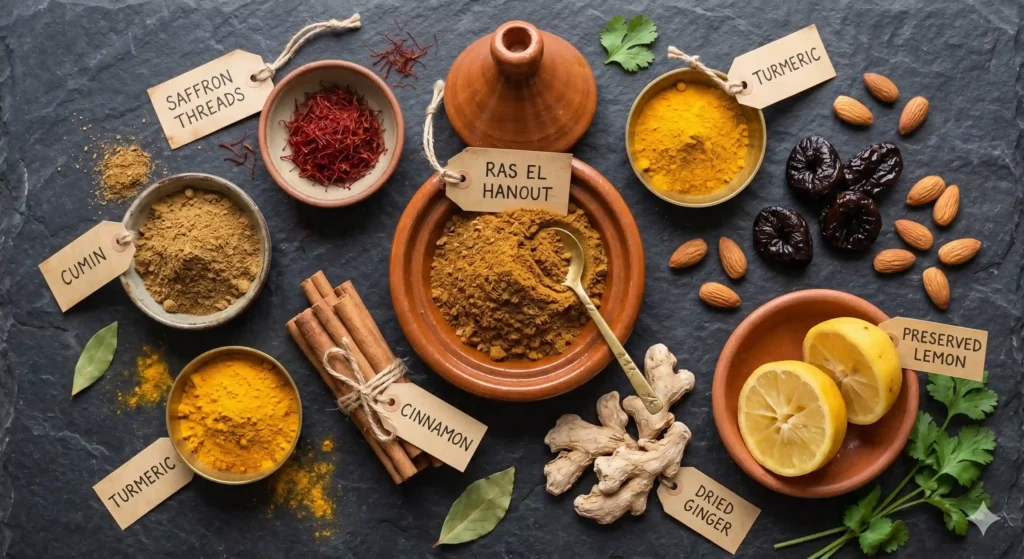
Understanding a tagine means understanding Moroccan spices. These are not used heavy-handedly — they are layered carefully to build depth without overpowering the main ingredient.
Ras el hanout — the queen of Moroccan spice blends. The name means “top of the shop” in Arabic, referring to the best spices a merchant has to offer. A good ras el hanout can contain 20 to 30 individual spices including cumin, coriander, cinnamon, cardamom, ginger, turmeric, and rose petals.
Cumin — earthy and warm, used in almost every savoury Moroccan dish.
Ginger — both fresh and dried, adding brightness and warmth.
Turmeric — golden colour and subtle earthiness, especially in chicken tagines.
Cinnamon — appears in both savoury and sweet tagines, particularly with lamb and dried fruits.
Saffron — used sparingly in premium tagines for its distinct floral aroma and golden hue.
Paprika and chili — for warmth and depth, used in varying intensities.
At Pick It Cook It, our chefs source spices from local Tangier markets and teach guests how to blend and layer them correctly during our Moroccan cooking classes.
The Main Types of Moroccan Tagine
Moroccan tagine cooking encompasses dozens of regional variations. Here are the most important types you are likely to encounter:
Chicken Tagine with Preserved Lemon and Olives
Perhaps the most iconic Moroccan tagine recipe. Chicken thighs are slow-cooked with onions, garlic, saffron, ginger, and turmeric, then finished with preserved lemons and green olives. The preserved lemon adds a distinctive salty, fermented citrus note that is entirely unique to Moroccan cuisine.
Best for: First-time tagine eaters. The flavours are complex but approachable.
Lamb Tagine with Prunes and Almonds
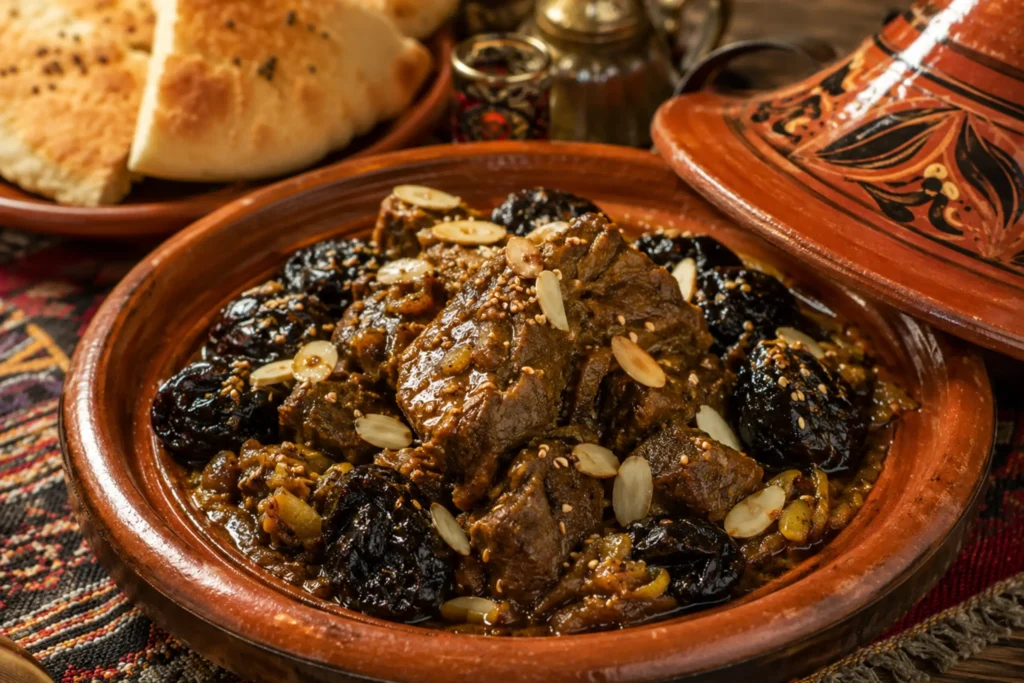
A celebration dish — rich, sweet, and deeply aromatic. Lamb shoulder is cooked until it falls apart, then combined with prunes, toasted almonds, cinnamon, and honey. The contrast between the savoury meat and the sweet dried fruit is quintessentially Moroccan.
Best for: Guests who enjoy bold, complex flavours.
Kefta Tagine with Eggs and Tomato
Spiced minced meat (kefta) balls are simmered in a sauce of fresh tomatoes, cumin, paprika, and fresh herbs, then eggs are cracked directly into the sauce and cooked until just set. Simple, quick, and deeply satisfying.
Best for: Weeknight cooking and beginners to moroccan tagine recipe.
Fish Tagine with Chermoula
In coastal cities like Tangier, fish tagine is a staple. White fish — sea bream, sea bass, or monkfish — is marinated in chermoula (a herb sauce of fresh coriander, parsley, garlic, cumin, and lemon) before being layered with potatoes, tomatoes, and peppers in the tagine.
Best for: Seafood lovers and those visiting coastal Morocco.
Vegetable Tagine with Chickpeas
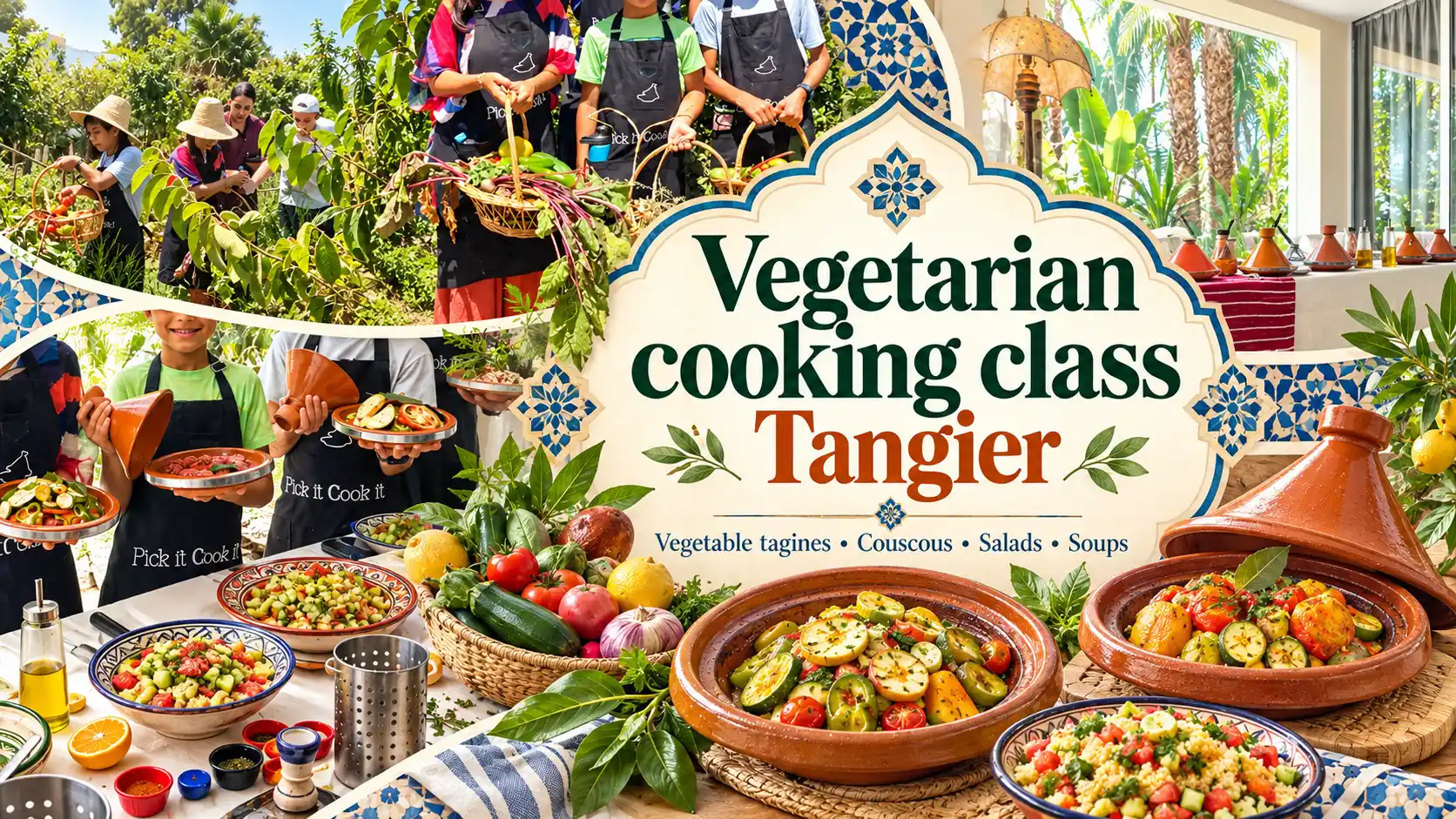
A fully plant-based tagine built around seasonal vegetables — carrots, courgettes, sweet potato, turnip — slow-cooked with chickpeas, ras el hanout, and a generous amount of fresh herbs. Often served during Ramadan or as a side dish alongside meat.
Best for: Vegetarian and vegan guests.
Mrouzia — The Sweet Lamb Tagine
A Moroccan tagine recipe reserved for special occasions, mrouzia is lamb cooked with smen (fermented butter), honey, almonds, raisins, and a heavy dose of ras el hanout. It is intensely sweet and deeply aromatic — more like a slow-braised confiture than a savoury stew.
Best for: Adventurous eaters and those interested in traditional Moroccan celebration cooking.
How Is a Tagine Cooked?
Traditional moroccan tagine cooking is a slow process — this is not a dish to rush. Here is the basic method used across most tagine recipes:
Step 1 — Build the base: Aromatics (onion, garlic, ginger) are cooked gently in olive oil at the bottom of the tagine until soft and fragrant.
Step 2 — Add spices: Dry spices are added to the aromatics and cooked briefly to activate their flavour.
Step 3 — Layer the protein: Meat or fish is placed on top of the aromatic base.
Step 4 — Add vegetables and liquids: Vegetables are arranged around and on top of the meat. A small amount of water, stock, or preserved lemon juice is added — just enough to create steam.
Step 5 — Slow cook: The lid goes on and the tagine cooks over low heat for one to three hours, depending on the meat. The steam circulates continuously, keeping everything moist.
Step 6 — Finish and garnish: Just before serving, finishing ingredients are added — preserved lemon, olives, fresh herbs, toasted nuts, or honey — and the tagine is brought to the table in the pot.
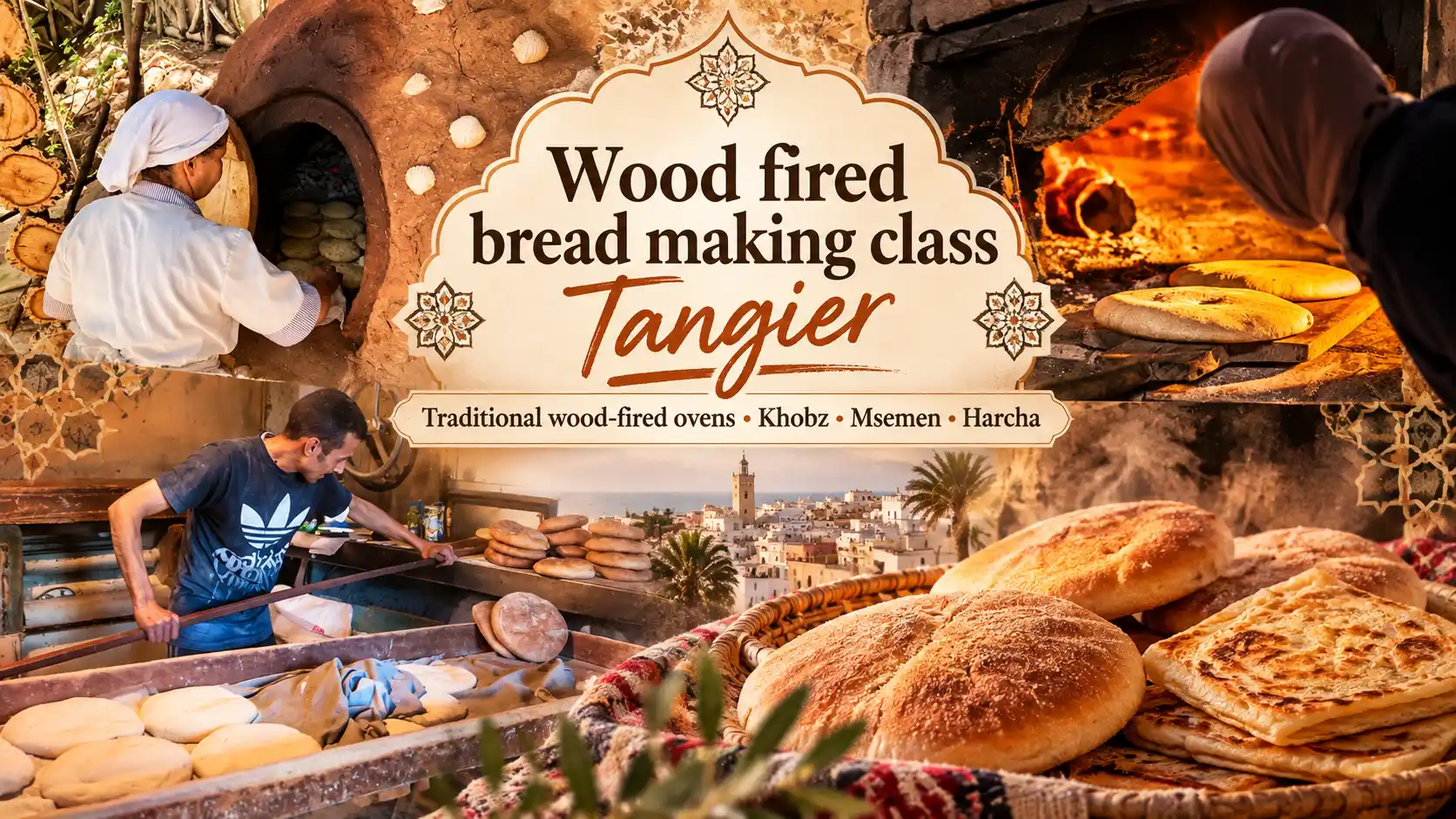
Serving: Tagine is always served with fresh Moroccan bread (khobz) for scooping. Using cutlery is optional — eating with bread and hands is traditional.
Tagine vs. Couscous — What Is the Difference?
Both tagine and couscous are central to Moroccan cuisine, but they are different in almost every way.
A tagine is a slow-cooked stew served in the clay pot it was cooked in. The sauce is thick, reduced, and richly spiced. It is typically eaten at lunch or dinner.
Couscous is steamed semolina — tiny grains of pasta — served as a base beneath a separate broth and vegetables or meat. It is traditionally served on Fridays in Morocco, the holy day of the week, as a communal family dish.
Both are delicious. Both are essential to understanding Moroccan food culture.
Can I Cook a Tagine Without a Tagine Pot?
Yes. While cooking in a traditional clay tagine pot gives the best result — particularly the self-basting effect of the conical lid — you can produce excellent tagine dishes in a heavy-bottomed casserole dish, Dutch oven, or cast iron pot with a tight-fitting lid.
The key principles of how to cook tagine remain the same: low heat, long cooking time, minimal liquid, and the right spice balance.
Where to Learn Tagine Cooking in Tangier
Reading about tagine is one thing. Cooking it with your own hands — using fresh ingredients, learning the correct spice ratios from a local chef, and sitting down to eat what you have made — is something you will never forget.
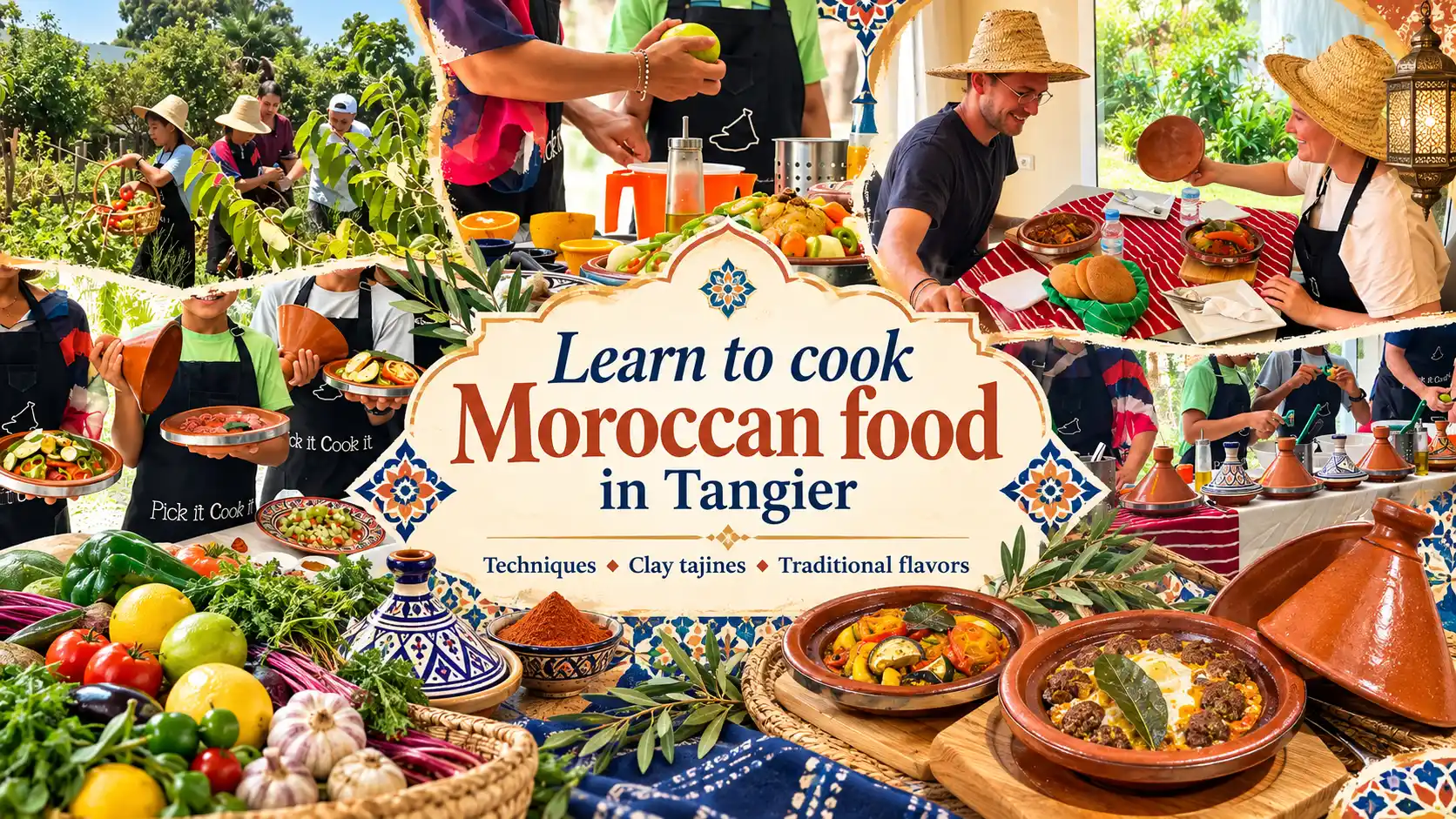
At Pick It Cook It in Tangier, our Cook It Moroccan Cooking Class teaches guests to prepare a traditional Moroccan tagine from scratch. You will learn:
- How to select and blend Moroccan spices
- The correct layering technique for tagine cooking
- How to balance sweet, savoury, and aromatic elements
- The traditional bread-and-hands serving method
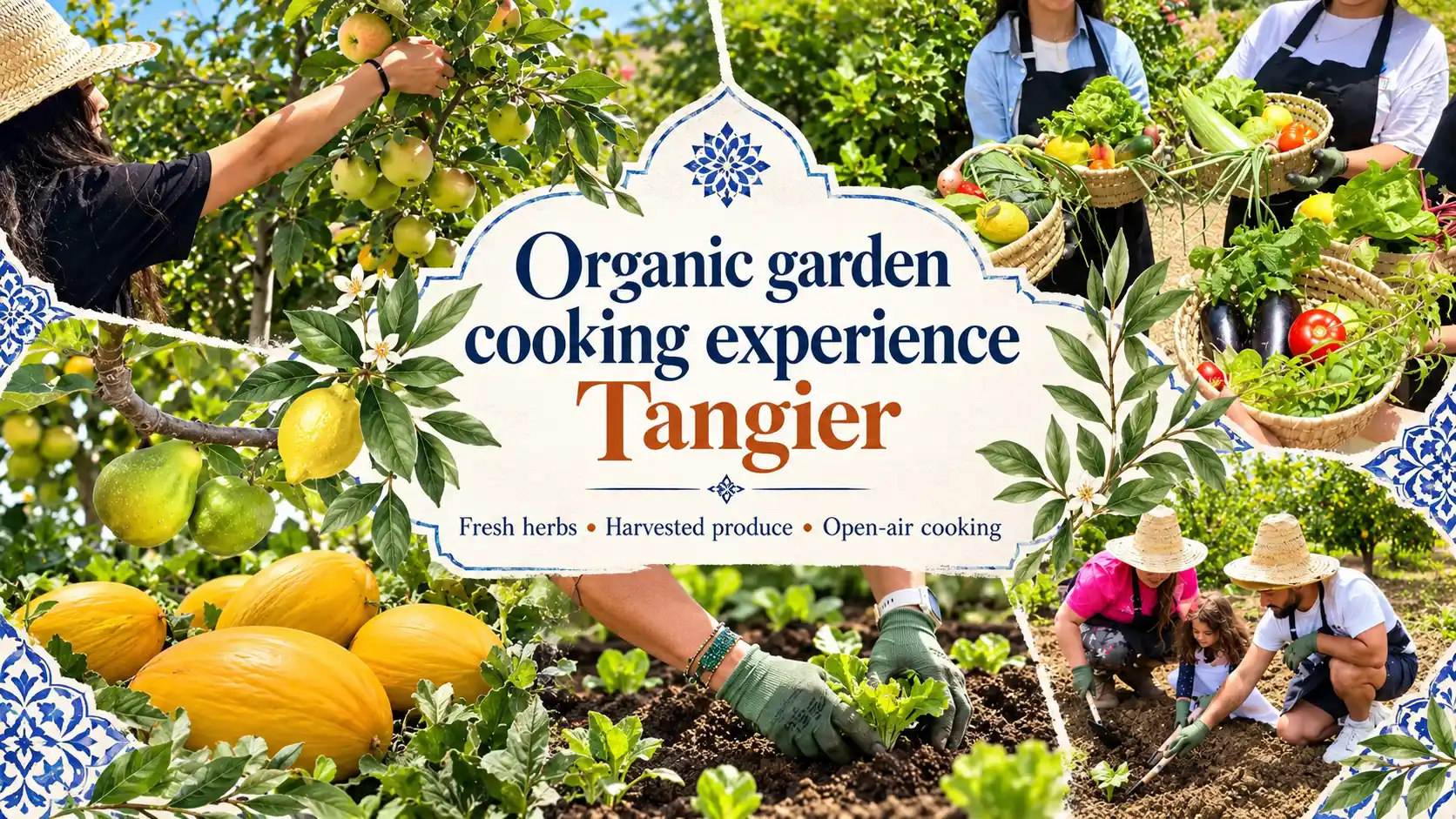
For the complete farm-to-table experience, the Pick It Cook It signature class adds a guided tour of our 6000m² organic garden, where you harvest the vegetables for your tagine yourself before cooking them.
From 55€ per person, minimum 4 guests.
👉 Book your Moroccan cooking class in Tangier
Frequently Asked Questions
What does tagine taste like?
A well-made Moroccan tagine tastes deeply savoury with warm spice notes and often a subtle sweetness from dried fruits or caramelised onions. The slow cooking creates a thick, concentrated sauce that coats the meat or vegetables completely.
Is tagine always made in a clay pot?
Traditionally yes, but modern tagine cooking is done in cast iron, enamelled pots, or even regular casserole dishes. The clay pot gives the most authentic flavour and texture.
Is tagine spicy?
Moroccan tagine is aromatic and warmly spiced, but not typically hot or chili-spicy. The spices used — cumin, coriander, cinnamon, ginger — create depth and warmth rather than heat. You can always add harissa on the side if you prefer more heat.
How long does tagine take to cook?
A chicken tagine takes approximately 1 to 1.5 hours. A lamb tagine takes 2 to 3 hours. A vegetable tagine can be ready in 45 minutes to 1 hour. Low and slow is always the rule.
What is the difference between tagine and stew?
Both are slow-cooked dishes with a sauce, but a Moroccan tagine is defined by its specific spice profile, the self-basting cooking method of the clay pot, and the balance between sweet and savoury that is unique to Moroccan culinary tradition.
Can tagine be made vegetarian?
Absolutely. Vegetable tagine with chickpeas is a staple of Moroccan cooking and just as flavourful as meat versions. At Pick It Cook It, we can adapt any class menu for vegetarian, vegan, or gluten-free guests.
Conclusion
The tagine is more than a cooking method or a recipe. It is a philosophy — slow down, layer carefully, use good ingredients, and trust the process. In Morocco, a tagine is never rushed. It is made with patience and shared generously.
Whether you are cooking at home for the first time, eating at a Moroccan restaurant, or planning a trip to Tangier to learn from a local chef, understanding the tagine gives you a deeper appreciation for one of the world’s great food cultures.
The next time you lift the conical lid of a tagine and that first cloud of fragrant steam rises to meet you — you will understand exactly why Moroccans have been cooking this way for a thousand years.
Pick It Cook It is Tangier’s first immersive farm-to-table culinary experience. We offer Moroccan cooking classes for food lovers, families, and groups — from tagine and couscous to Moroccan tea ceremonies and garden workshops.